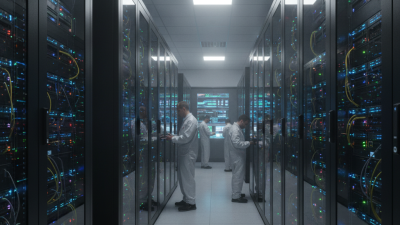
For global buyers, choosing the best China Server Center involves more than comparing storage capacity or monthly fees. It requires evidence of stable operations, skilled support, transparent contracts, and practical experience with international workloads. A reliable center should offer resilient power systems, multiple network routes, disciplined access controls, and clear incident procedures. These details matter when a product catalog, customer portal, or business database must remain available across time zones.
The strongest providers can explain their uptime history, maintenance schedules, backup design, and data protection practices without hiding behind technical language. Buyers should ask where data is hosted, who can access it, how quickly support responds, and how services scale during demand spikes. Certifications may support a provider’s credibility, but they do not replace site assessments, references, or realistic testing. A short trial can reveal latency, dashboard quality, and communication gaps that a sales presentation misses.
There is no universal winner. A small company may value responsive engineers, while a multinational buyer may need regional redundancy and formal governance. Price still matters, yet the cheapest option can create expensive interruptions. Even careful research has limits. Public information may be incomplete, and performance can change after a contract is signed. This guide compares China Server Center options through measurable reliability, security, connectivity, support, and long-term suitability, helping global buyers make a balanced decision rather than chase a promising headline.
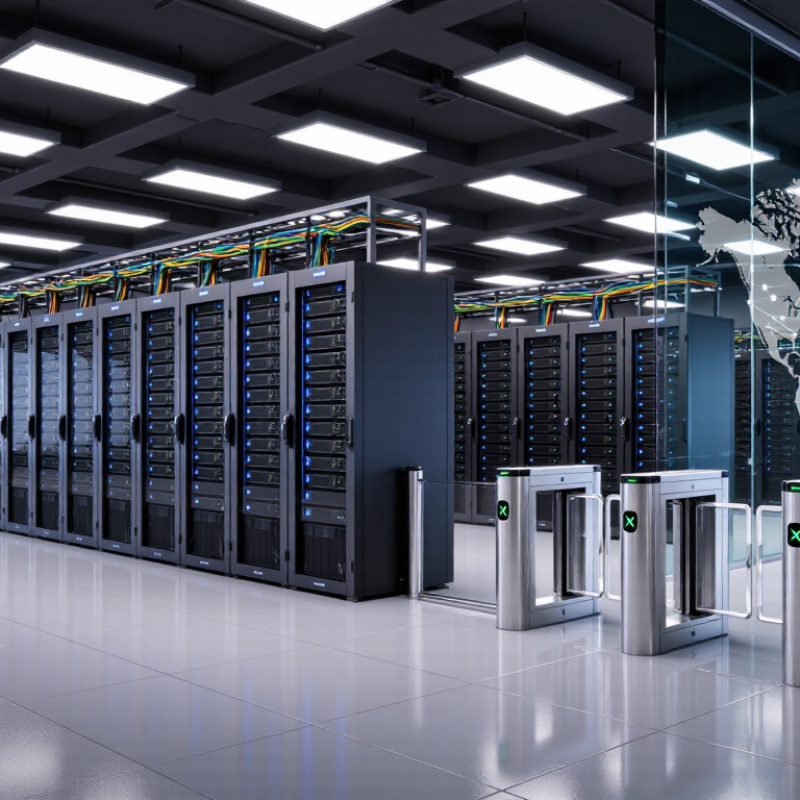
A China server center is a controlled facility that stores, processes, and delivers digital data. It usually combines servers, cooling systems, power protection, network links, and security controls. For global buyers, its role extends beyond simple data storage. It can shorten access time to Chinese users, support regional applications, and connect overseas operations with domestic networks. Physical proximity matters. The International Energy Agency estimated that data centers consumed 240–340 terawatt-hours globally in 2022. It also projected demand could reach 620–1,050 terawatt-hours by 2026.
A reliable China server center should provide stable power, backup systems, monitored bandwidth, and clear incident procedures. Uptime Institute’s 2024 Global Data Center Survey reported that 54% of respondents experienced an outage costing more than 100,000 US dollars. That figure makes redundancy a business requirement, not a decorative feature. Buyers should examine service-level records, maintenance logs, cooling performance, and recovery testing. Practical details matter. Can engineers respond at night? Can traffic be rerouted during a cable fault?
The best facility also supports lawful data handling. Buyers must review applicable Chinese rules, cross-border transfer requirements, and industry obligations before deployment. Energy efficiency deserves attention too. The China Academy of Information and Communications Technology links computing growth with stronger efficiency targets and infrastructure planning. Yet no center is perfect. Network latency can fluctuate, and published performance may reflect ideal conditions. Independent testing from several locations is wiser than trusting one attractive number.
A strong China service center should do more than connect buyers with factories. It should reduce uncertainty at every handoff. China’s General Administration of Customs reported cross-border e-commerce imports and exports of 2.38 trillion yuan in 2023, up 15.6%. That scale demands organized support, not only low prices.
Key services include supplier screening, sample purchasing, factory communication, and production monitoring. Experienced teams can compare certificates, confirm specifications, and document defects with dated photographs.
They should also combine samples from several suppliers, reducing unnecessary shipping. Warehouse services may include counting, labeling, repacking, and inventory updates. These details matter when buyers manage different time zones and sales channels.
The World Bank’s 2023 Logistics Performance Index emphasizes customs, tracking, and delivery reliability. A capable center should provide clear shipment records and realistic delivery estimates.
Tips:
Request a written service scope. Ask how inspection errors are handled. Check whether fees are itemized. Confirm customs documents before shipment. No vague promises. No hidden charges.
UNCTAD’s digital trade research shows that data quality and trust remain important barriers for cross-border commerce. Therefore, buyers should require secure document handling and regular progress reports.
The best China server center is not defined by location alone. Global buyers should examine measurable quality, security, and reliability before signing a contract. Request recent uptime records, maintenance reports, and independent audit evidence. Marketing claims are not enough.
Server quality begins with stable power, suitable cooling, and properly managed network capacity. Ask whether equipment inspections follow a documented schedule. Check latency from your main customer regions at different times. A simple test during peak hours can reveal congestion. Small details matter.
Security requires controlled access, visitor records, camera coverage, and clear incident procedures. Data should be encrypted during transfer and storage when appropriate. Ask how administrators use multi-factor authentication and separate user permissions. Review backup frequency, recovery targets, and log retention. The provider should explain how it handles suspected breaches without hiding uncomfortable facts.
Reliability depends on more than a promised uptime percentage. Look for redundant power paths, backup generators, multiple network routes, and tested disaster recovery plans. Ask for evidence from real failover exercises, not only written policies. Support response times should be measured in a service agreement. A contact person who understands your technical language is valuable.
I once treated a low-latency test as proof of overall performance. That was too narrow. The connection looked excellent, but support escalations were slow. Buyers should test communication, reporting, and recovery procedures before deployment. A short pilot project often exposes weaknesses that polished presentations conceal.
What Is the Best China Server Center for Global Buyers?
Pricing, location, and support often determine whether a China server center is truly useful. A low monthly fee may hide receiving, storage, inspection, or consolidation charges. Request an itemized quotation before choosing. Compare the total cost for your actual shipment volume, not a promotional price. A center near major ports can reduce domestic transport time and handling risks. However, the cheapest location is not always the fastest for every supplier.
Tips: Ask for a sample invoice. Check storage limits, processing fees, and payment terms. Confirm whether damaged packages receive photo records. These small details can prevent expensive misunderstandings.
Reliable support matters when orders arrive late or labels look unclear. Look for documented response times, trained staff, and a clear escalation process. Support during your working hours is valuable, especially when time zones create delays. Ask how the center handles inventory counts, packing requests, and compliant shipping paperwork. References from experienced buyers can add confidence, but verify them carefully. A professional facility should explain its procedures without making unrealistic promises. No comparison is perfect. Some buyers also underestimate communication quality after signing a contract. Test the support team with practical questions before committing. The best choice balances transparent pricing, a suitable location, and dependable daily support.
| Server Center Profile | Typical Location | Indicative Monthly Price* | Best Use Case | International Connectivity | Typical SLA | Support Coverage | Key Limitation |
|---|---|---|---|---|---|---|---|
| Northern Mainland Enterprise Facility | Beijing, Tianjin, or nearby northern hubs | Cloud VM: US$10–45 Dedicated server: US$90–320 |
Government-facing systems, northern China users, enterprise applications | Strong domestic routing; international performance varies by carrier and route | 99.9%–99.99% for standard business plans | 24/7 Chinese support; English often available during business hours | Higher latency to Southeast Asia and some overseas markets |
| Eastern Mainland Commercial Facility | Shanghai, Jiangsu, Zhejiang, or nearby eastern hubs | Cloud VM: US$12–50 Dedicated server: US$100–350 |
E-commerce, SaaS platforms, finance-related applications, eastern China traffic | Good access to major domestic networks and common international routes | 99.9%–99.99%, depending on redundancy and contract level | 24/7 technical monitoring; bilingual service varies by provider | Premium bandwidth and cross-border traffic can increase total cost |
| Southern Mainland Carrier Facility | Guangzhou, Shenzhen, or nearby southern hubs | Cloud VM: US$10–45 Dedicated server: US$90–330 |
Manufacturing platforms, export businesses, Hong Kong and Southeast Asia traffic | Usually favorable routes to Hong Kong and Southeast Asia; international quality is carrier-dependent | 99.9%–99.99% for standard enterprise configurations | 24/7 Chinese support; English escalation may require an additional service plan | Mainland website operations may require regulatory filing and local documentation |
| Western Mainland Regional Facility | Chengdu, Chongqing, or other western regional hubs | Cloud VM: US$8–35 Dedicated server: US$80–280 |
Cost-sensitive workloads, disaster recovery, domestic regional services | Reliable domestic access; generally less optimal for overseas end users | 99.9%–99.99%, depending on facility tier and backup design | 24/7 monitoring is common; English-language assistance is less consistent | Longer latency to coastal China and international destinations |
| Cross-Border Gateway Facility | Hong Kong or another closely connected regional gateway | Cloud VM: US$15–70 Dedicated server: US$130–450 |
Global websites, overseas customers, China-adjacent services, international APIs | Generally better international routing and lower administrative friction for global users | 99.9%–99.99% under standard enterprise agreements | English support is commonly available; response targets vary by contract | Higher monthly price and potentially weaker mainland-China latency than mainland hosting |
Choosing the best China server center for your business requires more than comparing monthly prices. Start with your users, not the provider. A facility near your main customers can reduce latency and improve page loading. Check network routes, international bandwidth, power redundancy, cooling systems, and replacement hardware availability. Ask for recent uptime records, not only advertised percentages.
Security should be practical and verifiable. Review access controls, monitoring procedures, backup frequency, and incident response plans. Confirm how customer data is stored, transferred, and protected under relevant Chinese and international requirements. A dependable service team should explain these points clearly. Test their support before signing. Send a technical question at night and measure the response.
Tips: Request a live network test from several cities. Visit the facility if possible. Compare renewal costs, migration support, and cancellation terms. Ask whether backup restoration has been tested recently.
Experience matters here. A center may look excellent during a sales call but perform differently during peak traffic. We once treated low latency as the main priority and overlooked support coverage; that decision created avoidable delays. The best choice balances speed, resilience, compliance, and communication. No center is perfect. Your evaluation should record weaknesses, not hide them. A short pilot project can reveal packet loss, response quality, and real operating conditions before a larger commitment.
Choosing the right China server center depends on network performance, regulatory fit, international connectivity, service reliability, and total operating cost. The comparison below uses a transparent 100-point procurement model for common center profiles rather than vendor or brand data.
How to read the chart: Mainland Tier-1 centers usually provide strong domestic connectivity and enterprise infrastructure. Mainland Tier-2 centers can offer better cost efficiency, while Hong Kong-based centers are often attractive for international access. The best choice depends on whether your priority is mainland user performance, global connectivity, compliance, or budget control.