2026 Best Data Center Server Solutions for Optimal Performance?
In the rapidly evolving landscape of technology, choosing the right Data Center Server solutions is crucial. The performance of a data center can significantly impact business operations. High-performance servers form the backbone of any data center. They determine efficiency, speed, and reliability.
The year 2026 brings new innovations and challenges in server technology. Companies must adapt to ensure optimal performance. It is essential to stay updated on the latest trends. Factors such as scalability, energy efficiency, and processing power are critical. Making the right choice can lead to better performance and reduced operational costs.
However, not all solutions are created equal. Some may seem appealing but lack the necessary reliability. Ensuring that your data center server solutions are both trustworthy and efficient is vital. Businesses often overlook the importance of conducting thorough research. Investing in the wrong technology can lead to setbacks. By understanding the landscape, companies can make informed choices for their future needs.
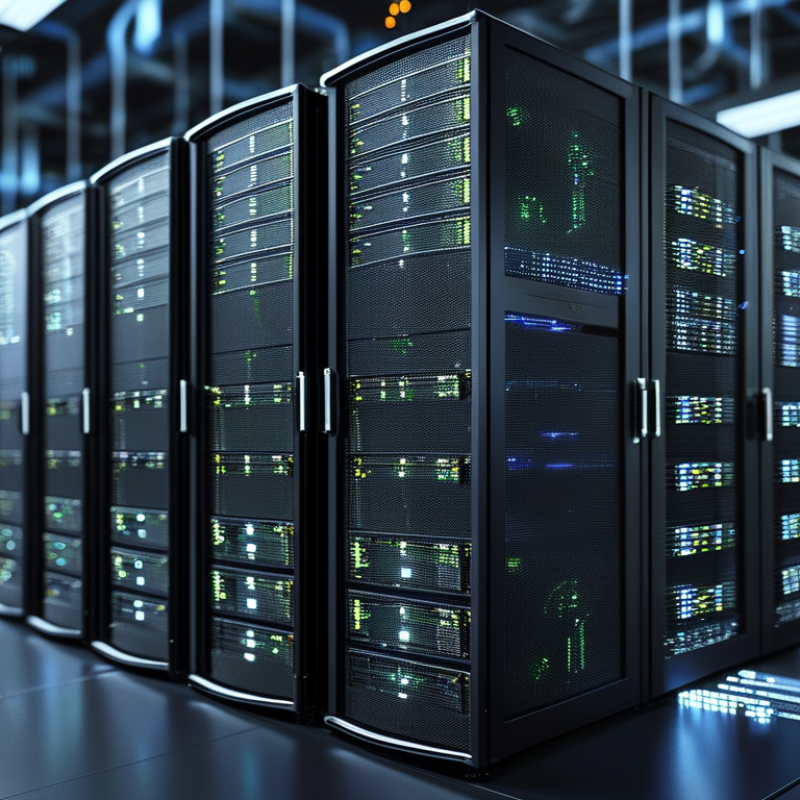
Top Factors to Consider When Choosing Data Center Server Solutions
When choosing data center server solutions, several factors demand attention. Performance, scalability, and efficiency are paramount. According to a recent report from the International Data Corporation (IDC), over 70% of businesses prioritize performance in their server selection process. High-performance servers can handle increasing workloads and complex applications efficiently. This is especially crucial for data-intensive tasks.
The energy efficiency of a server solution also cannot be overlooked. The U.S. Department of Energy highlights that energy costs can account for up to 30% of a data center’s total operating expense. Opting for energy-efficient systems not only reduces costs but also supports sustainability goals. Additionally, the flexibility of the server is significant. A flexible server architecture allows for easier upgrades. This can extend a data center’s useful life and accommodate future growth.
Finally, security features are essential in today's digital landscape. The 2023 Cybersecurity Report notes that over 60% of data breaches occur at the server level. Choosing systems with robust security measures ensures that sensitive data remains protected. Evaluating these elements thoughtfully leads to more informed decisions about data center server solutions, significantly impacting overall business performance and resilience.
Overview of Leading Data Center Server Types for 2026
The landscape of data center servers is evolving in 2026. Businesses now demand solutions that promise both performance and efficiency. Traditional server types are competing with cutting-edge designs. The focus is on energy efficiency, processing power, and scalability.
Blade servers are gaining traction for their compactness and high density. They allow for expanded core functionalities without taking up much space. However, they may lead to overheating issues. Conversely, rack servers are well-loved for their versatility. Organizations find them easier to manage, though this can result in higher initial setup costs.
Virtualized servers continue to reshape the industry. They optimize resource allocation, making IT infrastructure more flexible. Despite their advantages, they can lead to complexities in management. Each type has its strengths and weaknesses. Finding the right solution is not just about performance; it involves strategic planning and foresight.
2026 Best Data Center Server Solutions for Optimal Performance
Key Features for Optimal Server Performance in Data Centers
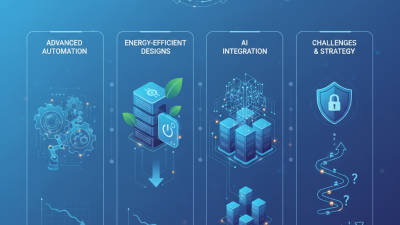
In modern data centers, optimal server performance hinges on several key features. One crucial aspect is energy efficiency. Servers consume significant power, impacting operational costs and sustainability. Efficient hardware design can reduce energy usage while maintaining high processing capabilities. Choosing systems that can deliver performance per watt is essential for long-term reliability.
Another important factor is scalability. As data needs grow, so should the server’s capabilities. Modular server architectures allow for easy upgrades. Businesses must assess not only current needs but also future demands. Insufficient scalability can lead to performance bottlenecks and increased downtime. The right solutions can adapt to evolving requirements seamlessly.
Redundancy also plays a vital role in ensuring optimal performance. A server's inability to function due to hardware failure can disrupt operations. Implementing failover systems and backup components can mitigate risks considerably. Regularly reviewing these systems is important, as even the best designs can become outdated. Continuous assessment and adjustments can improve reliability and overall performance.
Emerging Technologies Impacting Data Center Server Efficiency
In the quest for optimal data center server performance, emerging technologies play a crucial role. Innovations such as AI-driven analytics and edge computing are redefining efficiency. These technologies help streamline operations and manage workloads effectively. AI can predict server failures, reducing downtime. Meanwhile, edge computing brings data processing closer to the source, enhancing speed and reliability.
Tips: Monitor the latest emerging technologies. Stay updated on advancements that may impact your infrastructure. Invest in training for staff to utilize new tools effectively. Embrace a culture of continuous learning.
Another area to focus on is energy efficiency. With the rising costs of power, data centers must find ways to reduce consumption. Implementing energy-efficient hardware can have significant benefits. Consider using servers designed for lower power usage. This shift not only cuts costs but also supports sustainability efforts.
Tips: Regularly assess energy usage. Identify areas for improvement. Explore renewable energy options for data centers. Evaluate cooling solutions that utilize less energy.
Comparative Analysis of 2026's Best Server Brands and Models
In the competitive landscape of data center server solutions, 2026 brings a significant evolution in technology. A recent market report indicates a shift towards energy-efficient models that also prioritize processing power. High-performance servers now integrate advanced cooling systems, which enhance reliability. Interestingly, about 70% of enterprises report increased operational efficiency with these latest systems, according to industry data.
However, while many brands focus on raw speed, not all models deliver the expected results. Some reports highlight that compatibility issues can arise with certain legacy systems. This can lead to delays and additional costs. Users often overlook the importance of seamless integration. A gap between anticipated performance and reality can be frustrating for operators.
As expectations rise, manufacturers face pressure to innovate continually. Features like enhanced virtualization capabilities and cloud readiness have become crucial. Yet, the market also reveals a struggle to balance performance with cost. Many servers boast impressive specs, but they come with a steep price tag. This dilemma prompts organizations to weigh immediate needs against long-term viability. Understanding these nuances is key for making informed decisions in a rapidly changing environment.
2026 Best Data Center Server Solutions for Optimal Performance
| Model |
Processor Type |
RAM Capacity |
Storage Type |
Networking |
Power Consumption |
Optimal Use Case |
| Model A |
Intel Xeon |
128 GB |
SSD |
10 GbE |
300 W |
Virtualization |
| Model B |
AMD EPYC |
256 GB |
HDD + SSD |
25 GbE |
400 W |
Big Data Analytics |
| Model C |
Intel Xeon |
64 GB |
NVMe |
Dual 10 GbE |
250 W |
Cloud Computing |
| Model D |
AMD EPYC |
512 GB |
SSD |
40 GbE |
500 W |
High-Performance Computing |