How to Choose the Best NAS Storage Rack for Your Needs?
Selecting the right NAS storage rack is crucial for any data management strategy. A well-chosen NAS storage rack can enhance performance and reliability. With various options available, it is essential to consider your specific needs.
Many users overlook the importance of size and compatibility. Ensure the NAS storage rack fits your existing devices. Consider future expansions, too. A rack that seems perfect today may not accommodate future upgrades.
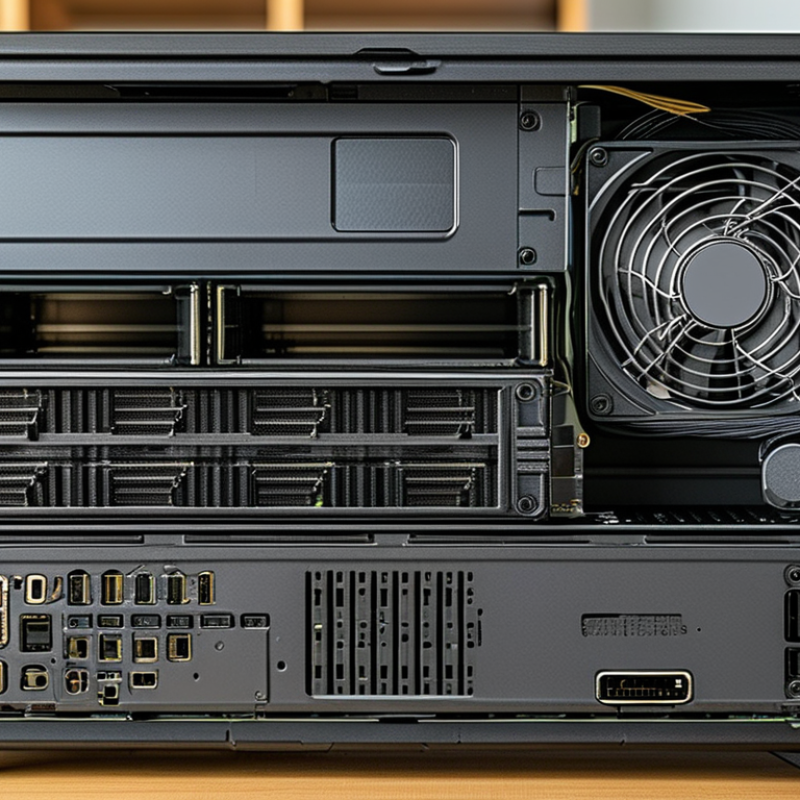
Additionally, material quality and airflow are sometimes underestimated. Choosing a sturdy option can prevent hardware damage. Adequate airflow keeps your devices cool and functioning efficiently. Each detail matters when fostering an effective storage environment. Reflect on your unique requirements for optimal results.
Understanding NAS Storage Racks: Key Functions and Features
When selecting a NAS (Network Attached Storage) rack, understanding its key functions and features is crucial. NAS storage racks are designed to house multiple drives efficiently. A well-structured rack optimizes airflow, minimizing heat damage to drives. According to industry statistics, nearly 25% of drive failures are attributed to heat issues. Therefore, investing in a rack with excellent ventilation is essential.
Another feature to consider is scalability. Data storage needs can change rapidly. Reports suggest that businesses may increase data storage by as much as 40% annually. A rack that allows for easy expansion can save resources and time. Flexibility in design often means integration with existing systems is more seamless.
Security is also a pivotal aspect of NAS storage racks. Data breaches can lead to significant financial losses, impacting nearly 60% of companies. Effective racks come equipped with lockable features and tamper-proof designs, ensuring data remains safe. These features not only protect physical drives but also reduce the risk of unauthorized access. Understanding these essentials will lead to more informed choices when selecting the right NAS storage rack.
How to Choose the Best NAS Storage Rack for Your Needs?
| Feature |
Description |
Importance Level |
| Capacity |
The total storage size supported by the rack, often measured in TB. |
High |
| Number of Bays |
The number of drive bays available for adding hard drives. |
Medium |
| Hot Swapping |
The ability to replace drives without shutting down the system. |
High |
| RAID Support |
The options available for configuring redundancy and performance. |
High |
| Cooling System |
The type of cooling mechanisms present to prevent overheating. |
Medium |
| Network Connectivity |
Types of network connections supported (e.g., Ethernet, Wi-Fi). |
High |
| Power Supply |
Specifications regarding the power supply unit and redundancy options. |
Medium |
| Software Features |
Included software for managing the NAS and enhancing functionality. |
High |
Assessing Your Personal or Business Storage Needs
Assessing your personal or business storage needs is crucial when selecting a NAS storage rack. Start by evaluating how much data you currently have. A report from Statista reveals that the average consumer in 2023 generates about 1.7 MB of data per second. Businesses generate exponentially more. Knowing your data volume helps gauge capacity requirements.
Consider the growth of your data. Research shows that small businesses can expect data growth rates of around 30% annually. If you’re a startup or a growing business, you will want a storage solution that can adapt. Ask yourself, how often do you upgrade your devices or add new files? This will guide you in choosing a rack that accommodates future expansions.
Tips: Think about redundancy too. A strong failure rate for hard drives can be about 5% a year. If data loss occurs, it could be catastrophic. Additionally, invest in a rack with good airflow. Poor ventilation leads to overheating, affecting the lifespan of your drives. Remember to reflect on your security needs as well; encrypted storage is becoming a must for sensitive information. Balancing capacity, scalability, and security is key to making the right choice.
Factors to Consider When Selecting a NAS Storage Rack
When selecting a NAS storage rack, several key factors must be considered to meet your specific needs. Firstly, the size and scalability of the rack matter. According to a recent industry report, 45% of businesses undersized their NAS systems due to initial miscalculations. It’s essential to project future storage requirements. You should also consider how many drives you will need and the space available in your setup.
Another critical factor is cooling and airflow management. An adequate cooling system can prolong the lifespan of your drives, preventing potential data loss. Approximately 30% of hard drive failures come from overheating, as noted in research from data storage analysts. A rack that provides efficient ventilation is crucial, especially in environments with high operational loads. Ensure that the design allows sufficient airflow to keep the drives cool.
Lastly, evaluate the materials and construction quality of the rack. A solid build guarantees durability and stability. Reports show that up to 25% of users experience issues with flimsy constructions leading to operational downtime. Spending time researching different materials can pay off. Reflecting on these factors can lead to more informed and effective decisions regarding your NAS storage solutions.
Comparing Different Types of NAS Storage Racks Available
When selecting a NAS storage rack, understanding the various types available is crucial. NAS storage racks come in various formats, including tower, rack-mounted, and open-frame designs. Each type has unique benefits tailored to different needs. For instance, tower racks are ideal for small spaces, providing easy access and flexibility. In contrast, rack-mounted options are perfect for larger setups, offering greater density and enhanced cooling capabilities. According to a recent market research report, rack-mounted systems are increasingly preferred for enterprise environments due to their ease of scalability.
Regarding construction, the material and design play critical roles. Metal racks are generally sturdier and more durable than wooden ones. However, wooden racks might suit home users looking for aesthetics over industrial strength. A report from a storage technology analysis firm notes that 65% of businesses prioritize durability and reliability over initial cost. Organizations are investing in high-quality materials to ensure longevity.
When choosing your NAS storage rack, consider cable management and airflow. Racks with integrated cable management systems help reduce clutter, enhancing airflow and cooling efficiency. This can lead to better performance and longevity of the devices housed within the rack. Avoid racks that compromise these features for pricing. Quality should always be a key decision factor. Proper airflow prevents overheating, which can be detrimental over time. Investing in the right features can lead to smoother operations and reduced long-term costs.
Comparing Different Types of NAS Storage Racks
Installation and Maintenance Tips for Your NAS Storage Rack
When setting up your NAS storage rack, proper installation is crucial. Start by ensuring the rack is placed on a stable surface. Measure the space available and the dimensions of the NAS unit. Many racks come with adjustable shelves and racks to accommodate various sizes. Using the right screws and tools can prevent potential damage during installation. Remember to leave some airflow around the units to keep them cool.
Routine maintenance is just as important as installation. Periodically check for dust accumulation. Clean the racks using a soft, dry cloth. Avoid using chemical cleaners, as they may harm the device. Monitor the temperature of your NAS for optimal performance. High temperatures can reduce lifespan.
Consider the cable management system when installing. Neatly organizing cables can reduce clutter and makes it easier for troubleshooting. If you notice any odd sounds or unusual temperatures, reassess the setup. Don't hesitate to adjust or reposition equipment for better performance. Staying proactive with maintenance can save time and enhance the longevity of your NAS configuration.