Leave Your Message

10 Essential Tips for Optimizing Your Server Center Experience?

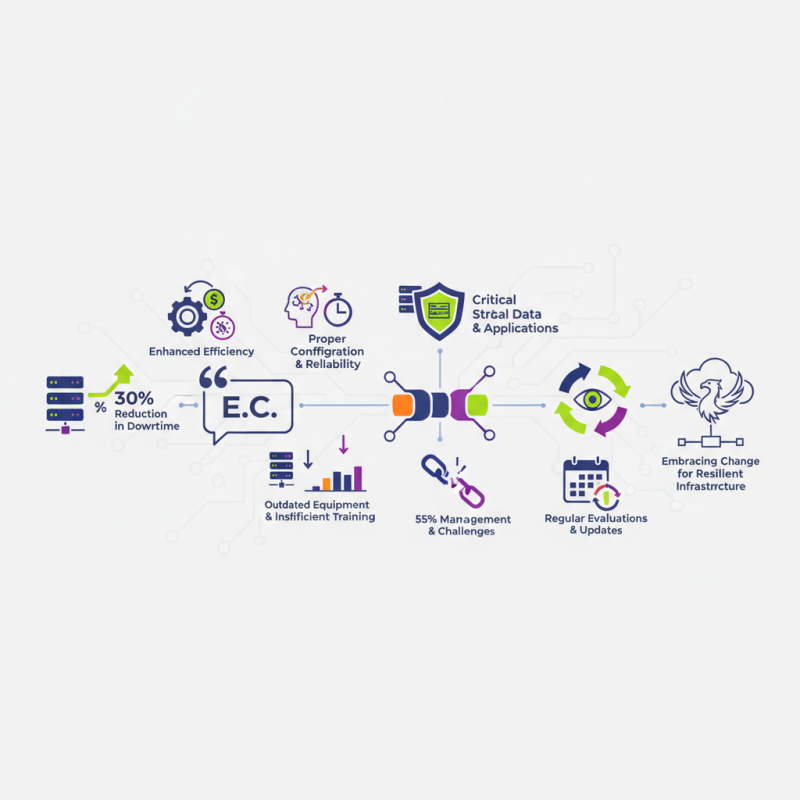
In today’s digital landscape, optimizing your Server Center experience is crucial. Industry reports from the Uptime Institute indicate that a well-optimized server environment can reduce downtime by up to 30%. This not only minimizes operational costs but also enhances overall efficiency. Experts like Dr. Emily Chen emphasize the importance of proper configuration, stating, "A streamlined Server Center ensures peak performance and reliability."

Server Centers serve as the backbone of IT operations. They manage critical data and applications that businesses rely on. However, many organizations still struggle with inefficiencies. According to a recent study, 55% of companies report challenges related to server management. Issues often arise from outdated equipment or insufficient staff training. Such problems can lead to frustrating slowdowns and costly outages.

When considering your Server Center, reflect on both strengths and weaknesses. Invest time in assessing your current setup. Understand that improvements might not happen overnight. Regular evaluations and updates are essential. Embracing change will lead to a more resilient and efficient infrastructure.
10 Essential Tips for Optimizing Your Server Center Experience?

Understanding the Importance of Server Center Optimization

10 Essential Tips for Optimizing Your Server Center Experience?

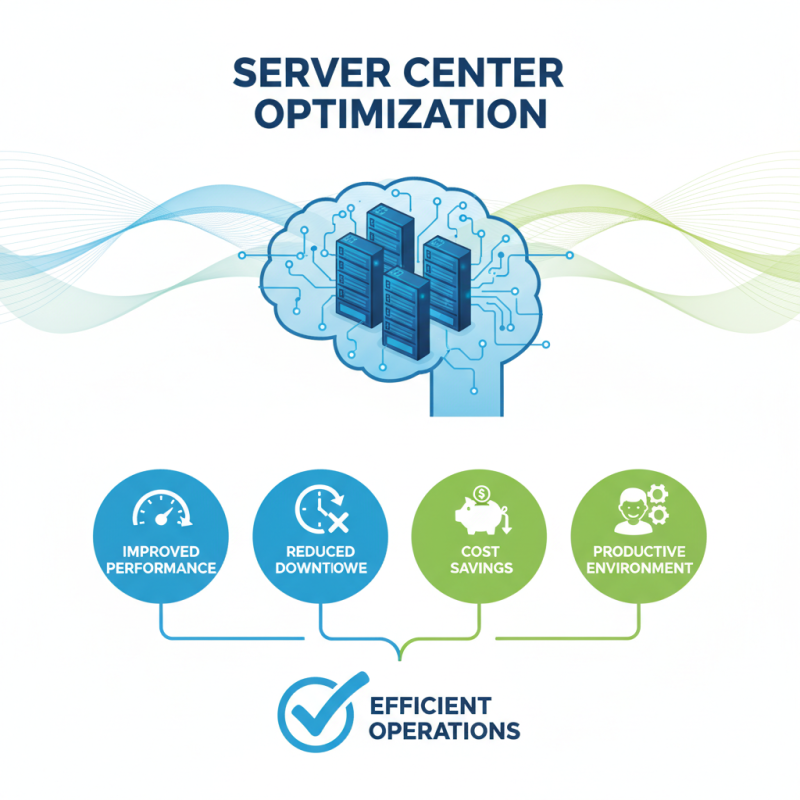
Server center optimization is crucial for maintaining efficient operations. A well-optimized server center can improve performance, reduce downtime, and save costs. When systems run smoothly, users experience fewer interruptions. This fosters a more productive environment for everyone involved.

Understanding the needs of your server center is essential. Each configuration has unique challenges, and not all solutions fit every scenario. Regularly updating systems is vital, yet many overlook this step. Aging hardware slows processes and affects performance. It's important to assess equipment regularly and plan for upgrades.

Monitoring tools play a significant role. They provide insights into performance and usage. However, data can be overwhelming if not managed properly. Focus on key metrics that impact operations. Automation can help streamline processes, yet it requires careful integration. Mistakes in setup can lead to more issues rather than solutions. Consider the balance between efficiency and user experience.


Assessing Your Current Server Center Infrastructure and Needs

Assessing your current server center infrastructure is crucial. Many organizations underestimate the importance of this step. According to a 2023 industry report, about 30% of server centers face performance issues due to outdated infrastructure. Evaluating hardware, software, and network components can reveal areas needing improvement.

Regular assessments can improve efficiency by 25%. This involves measuring server load, storage capacity, and network speed. Companies should implement monitoring tools that provide real-time data. These insights help identify bottlenecks. Notably, a survey found 40% of IT managers wish they had better visibility into resource usage.

Additionally, analyzing user needs is vital. This allows you to align resources with business requirements. A study highlighted that 50% of businesses experience downtime due to misaligned server capacities. Ensuring your infrastructure scales with your needs can prevent disruptions. Ultimately, understanding both your technology and user demands is key to optimizing operations.

Implementing Best Practices for Energy Efficiency in Server Centers

Enhancing energy efficiency in server centers is essential. Many centers suffer from high operational costs due to unnecessary energy consumption. Implementing best practices not only reduces costs but also contributes to sustainability.

Regular audits can identify areas of energy waste. Check for running servers that are no longer needed. Power down unused equipment during off-peak hours. Invest in virtualization technologies. They can significantly reduce the number of physical servers you need. Simple actions can lead to major savings.

Optimizing cooling systems is crucial. Aim for hot and cold aisle containment. This method directs airflow efficiently. Consider using outside air for cooling when possible. Monitoring and management tools can help assess the effectiveness of your strategies. Keeping track of energy usage trends is important. Remember, every small step counts towards a more efficient server environment.

10 Essential Tips for Optimizing Your Server Center Experience

Tip Number Tip Description Impact on Efficiency Recommended Actions
1 Utilize Virtualization Reduces hardware costs and energy consumption Identify workloads suitable for virtualization
2 Optimize Cooling Systems Minimizes cooling costs and energy use Regularly check and maintain cooling units
3 Implement Hot/Cold Aisle Containment Improves airflow and reduces cooling costs Design the server layout accordingly
4 Use Energy-Efficient Hardware Lowers energy consumption significantly Invest in Energy Star-rated equipment
5 Monitor Power Usage Effectiveness (PUE) Helps identify inefficiencies Regularly analyze and report PUE metrics
6 Schedule Regular Maintenance Prevents potential outages and reduces downtime Set a maintenance calendar
7 Deploy Redundant Systems Enhances reliability and energy efficiency Implement failover systems
8 Utilize Efficient Monitoring Tools Increases visibility into energy usage Invest in advanced monitoring technologies
9 Implement Server Sleep Mode Reduces power consumption during idle times Configure server settings appropriately
10 Educate Staff on Energy Efficiency Fosters a culture of sustainability Conduct training sessions

Utilizing Monitoring Tools for Proactive Server Management

Monitoring tools are crucial for proactive server management. These tools provide real-time insights into server performance. They alert you about potential issues before they escalate. Utilizing monitoring software helps you track CPU usage, memory levels, and network traffic. These metrics give a fuller picture of your server’s health.

Regularly reviewing performance data enhances decision-making. You might notice unusual spikes in resource consumption. Addressing these issues promptly can prevent downtime. However, relying solely on monitoring might lead to complacency. It's essential to combine these insights with proactive maintenance strategies.

Emphasizing the importance of alerts is vital. Properly configured alerts can save you time and resources. Yet, ignoring minor alerts may lead to bigger problems. Strive for a balance between immediate responses and long-term strategies. Monitoring tools work best when they complement your overall management approach. Remember to reassess your monitoring setups periodically to ensure effectiveness.

Planning for Scalability and Future Growth in Your Server Center

Planning for scalability and future growth in your server center is crucial. According to recent industry reports, data center traffic is expected to grow by 20% annually over the next five years. This trend presents both opportunities and challenges. It’s vital to ensure your infrastructure can support increased loads without compromising performance.

When considering scalability, assess your current hardware and software capabilities. Many organizations overlook the impact of outdated systems on long-term growth. Regular audits can reveal bottlenecks. For example, a study showed that 35% of companies experience significant slowdowns when upgrading their networks. Investing in modular components allows for incremental upgrades, facilitating smoother transitions.

Future growth planning also involves energy efficiency. The U.S. Department of Energy reported that data centers consume about 2% of the nation’s energy. With rising energy costs, inefficiencies can become costly mistakes. Implementing energy-efficient practices not only reduces operational expenses but also supports sustainability goals. Regularly monitoring energy consumption and adapting strategies will be essential in this evolving landscape.