

News
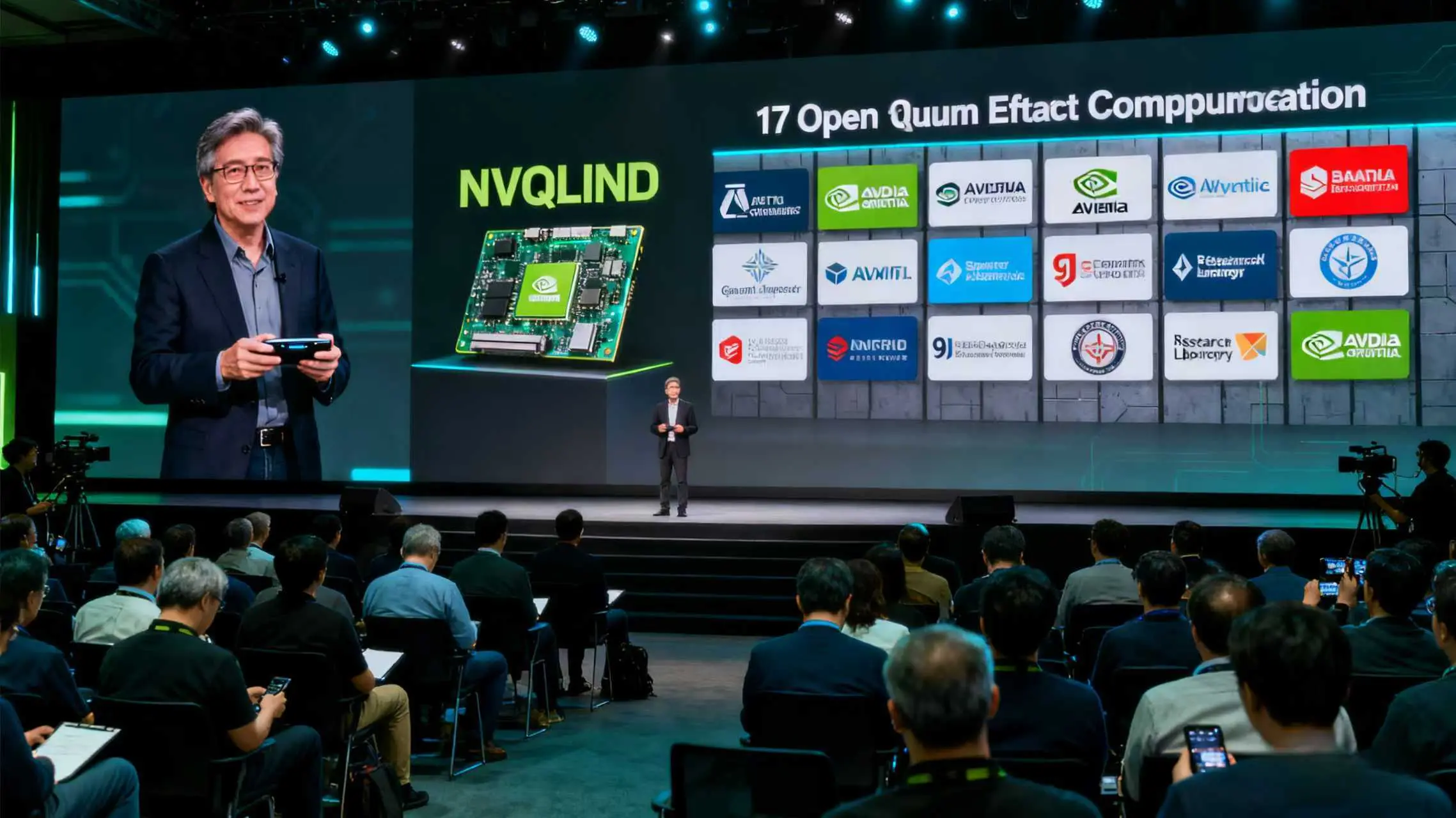
NVIDIA Breaks Through on Two Fronts: NVQLink Unlocks a New Era of Quantum Computing, 1 Billion Dollar Bet on 6G to Build an AI Ecosystem Empire
On November 11, NVIDIA launched NVQLink, a quantum device. This open architecture tightly couples GPU computing performance with quantum processors, helping to build accelerated quantum supercomputers and reduce qubit error rates. It has already partnered with 17 quantum computing companies and 9 research labs. Previously, at the GTC conference in October, NVIDIA also announced a $1 billion investment to acquire Nokia shares to jointly advance its AI-native 6G network platform. It also launched the Bluefield-4 processor, supporting AI factory operations, and plans to collaborate with the U.S. Department of Energy to build its largest AI supercomputer.
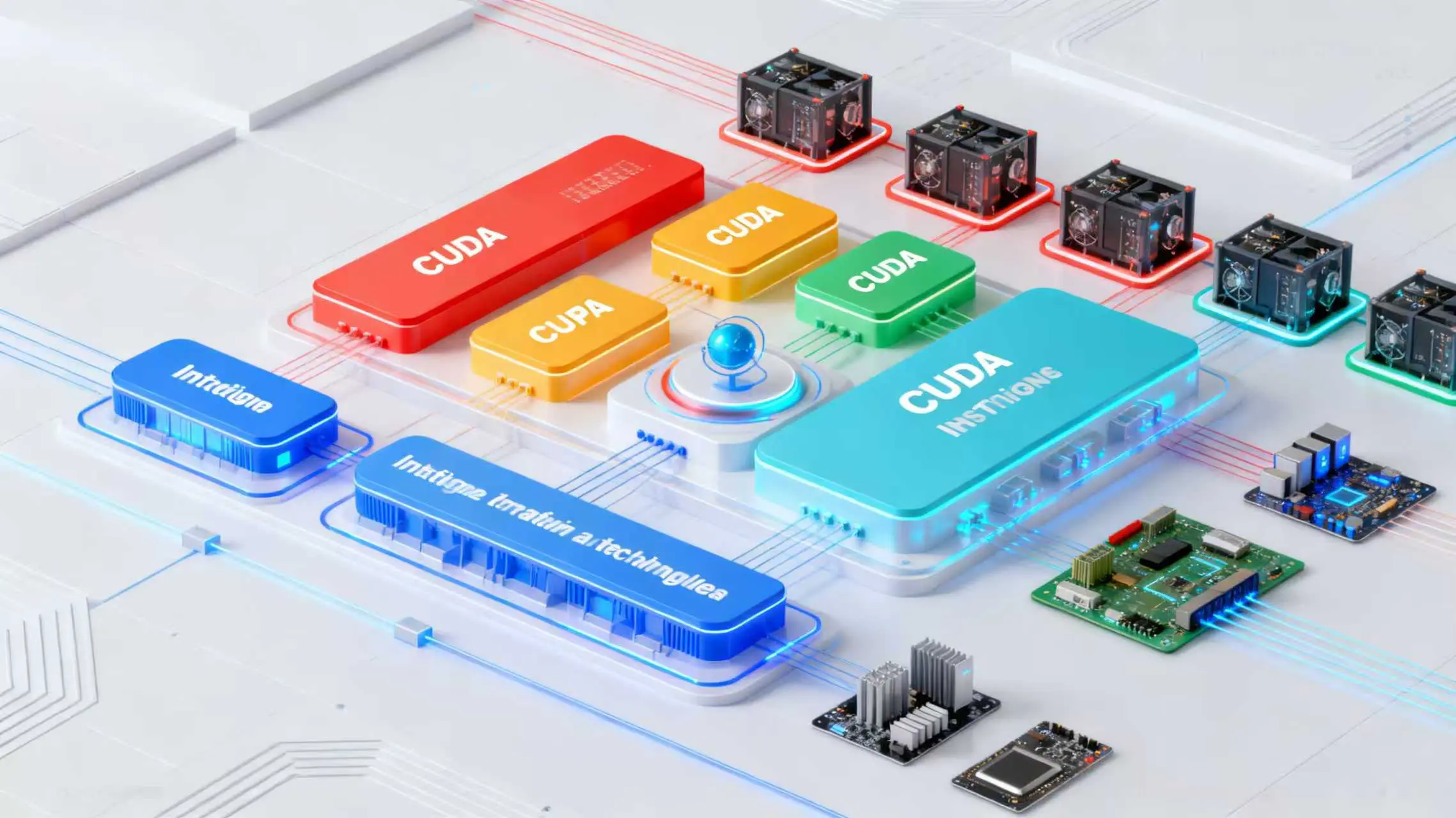
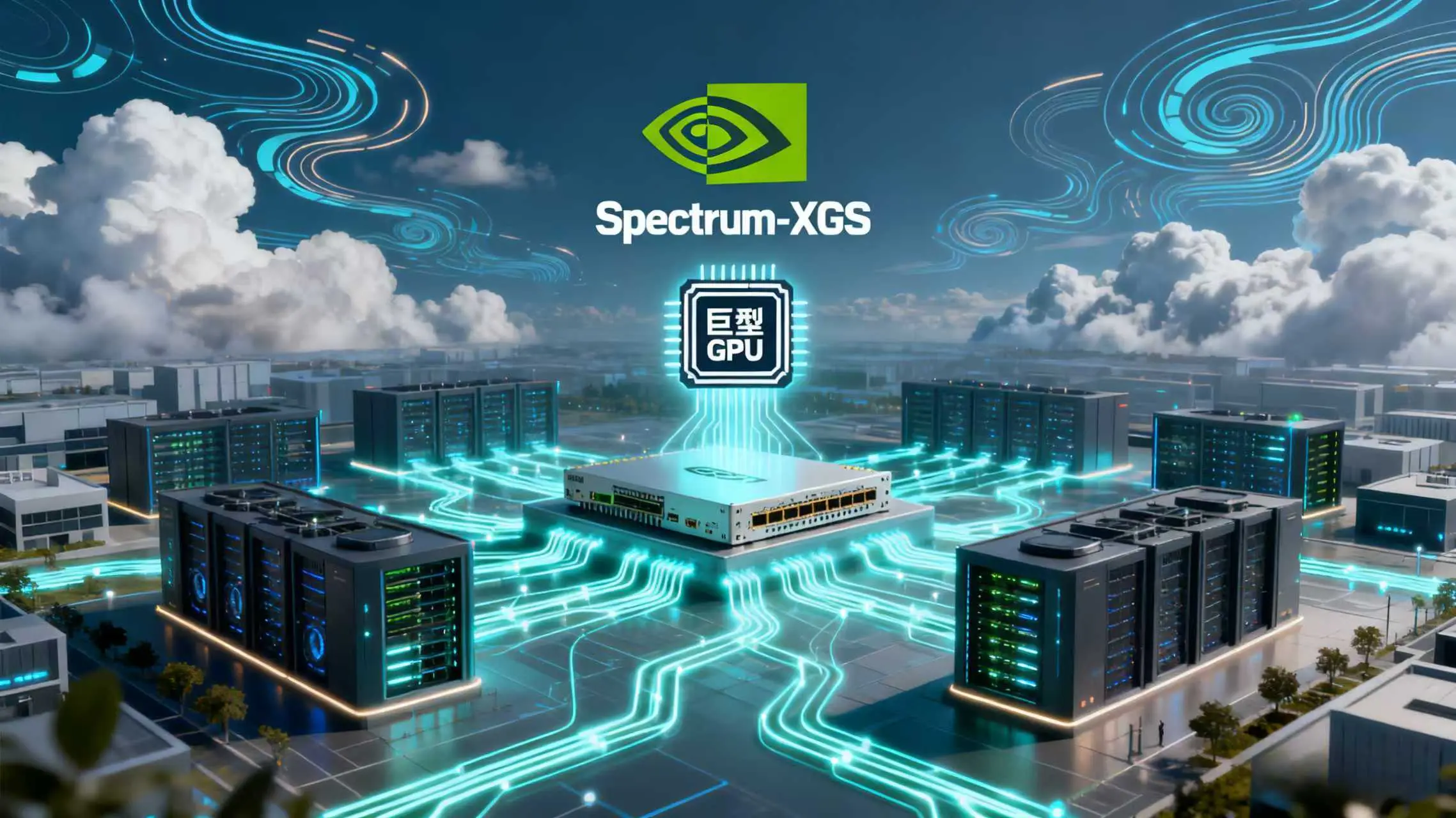
Nvidia invests $1 billion in Nokia to jointly drive 6G development.
Nvidia Acquires Nokia Stake and Establishes Strategic Partnership: Nvidia CEO Jensen Huang recently announced that the company will invest $1 billion to acquire a 2.9% stake in Nokia and establish a deep strategic partnership. The two companies aim to integrate CUDA and artificial intelligence technologies through the AI-RAN platform to drive the development of 6G standards.
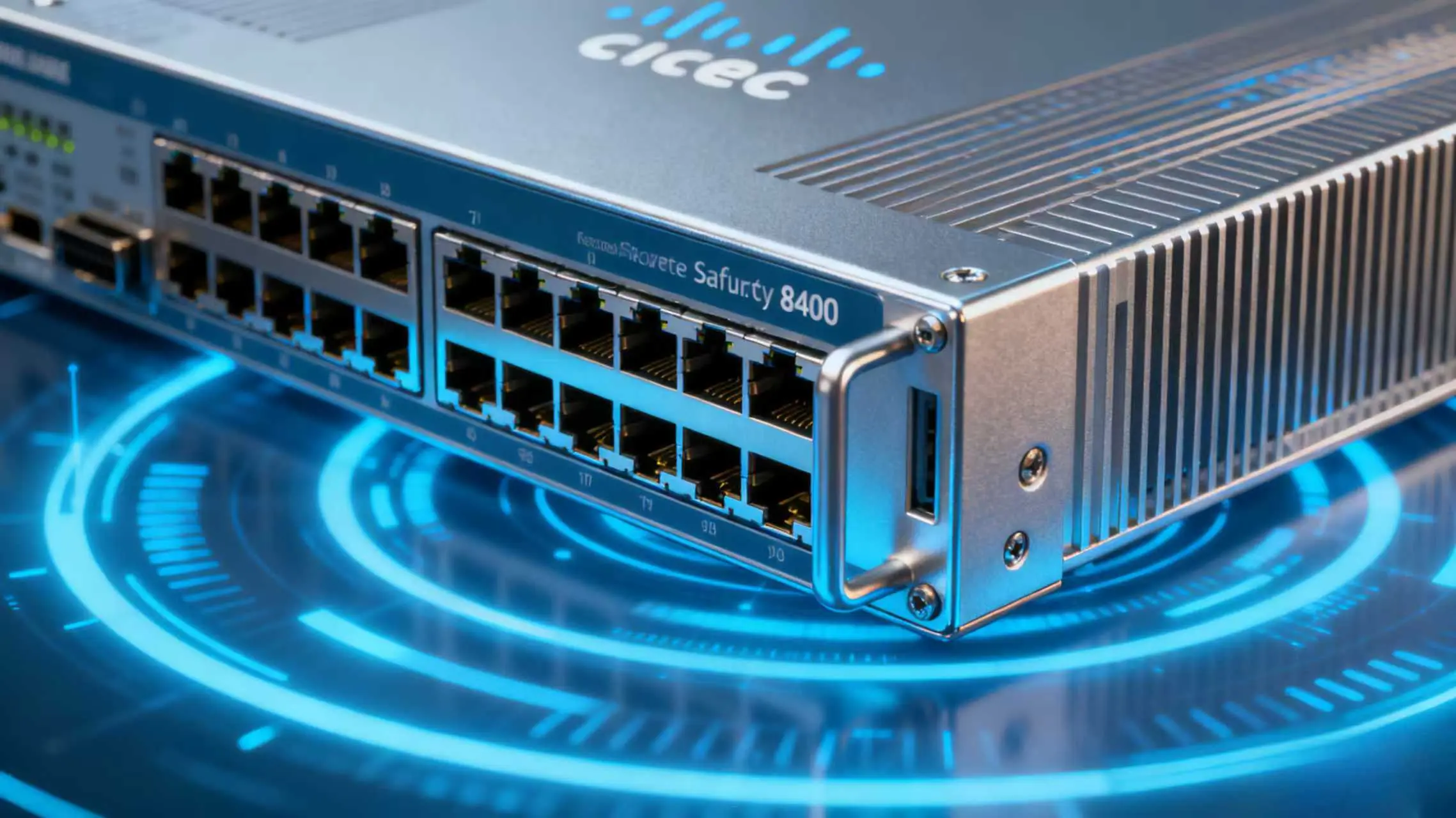
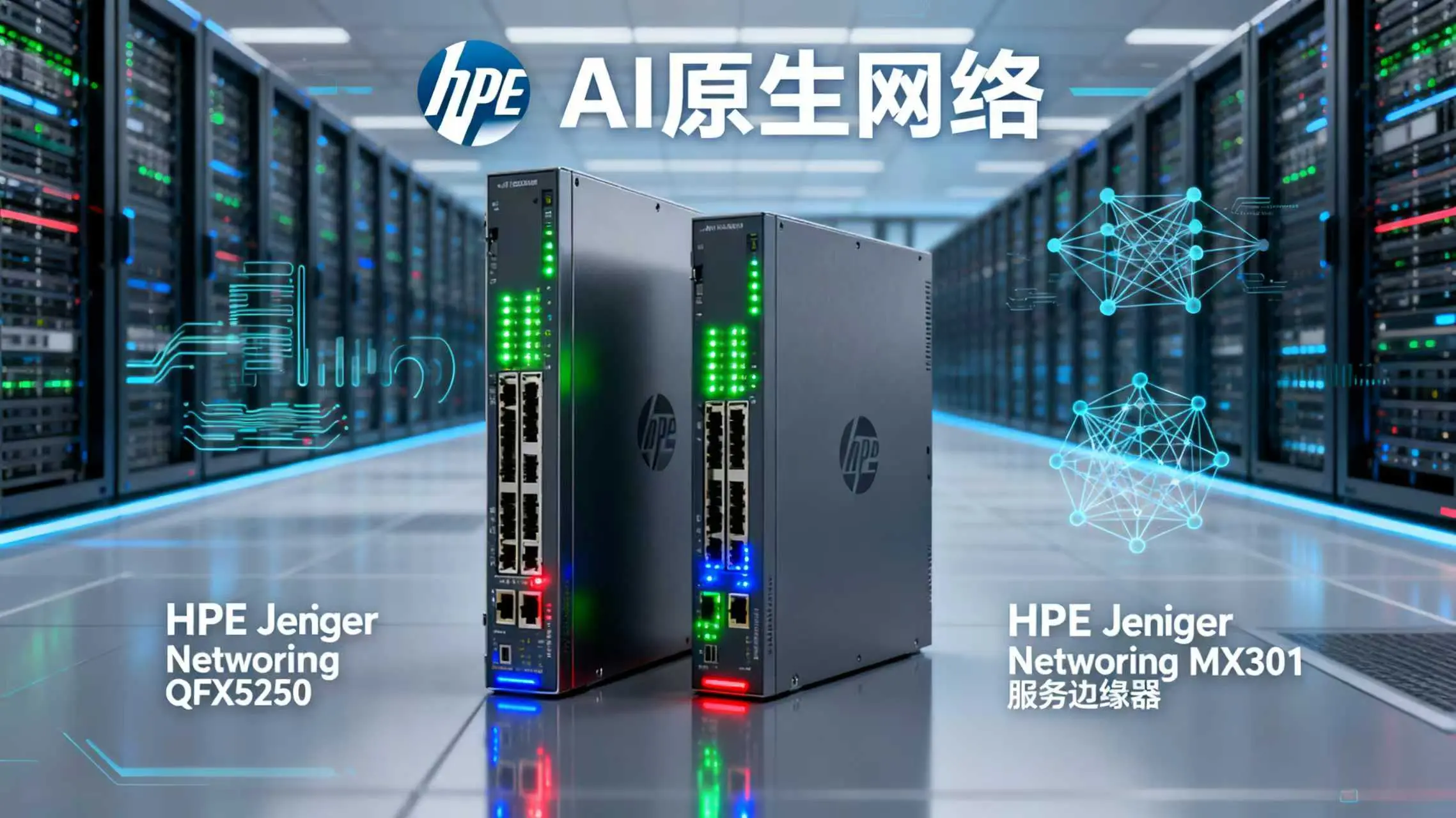
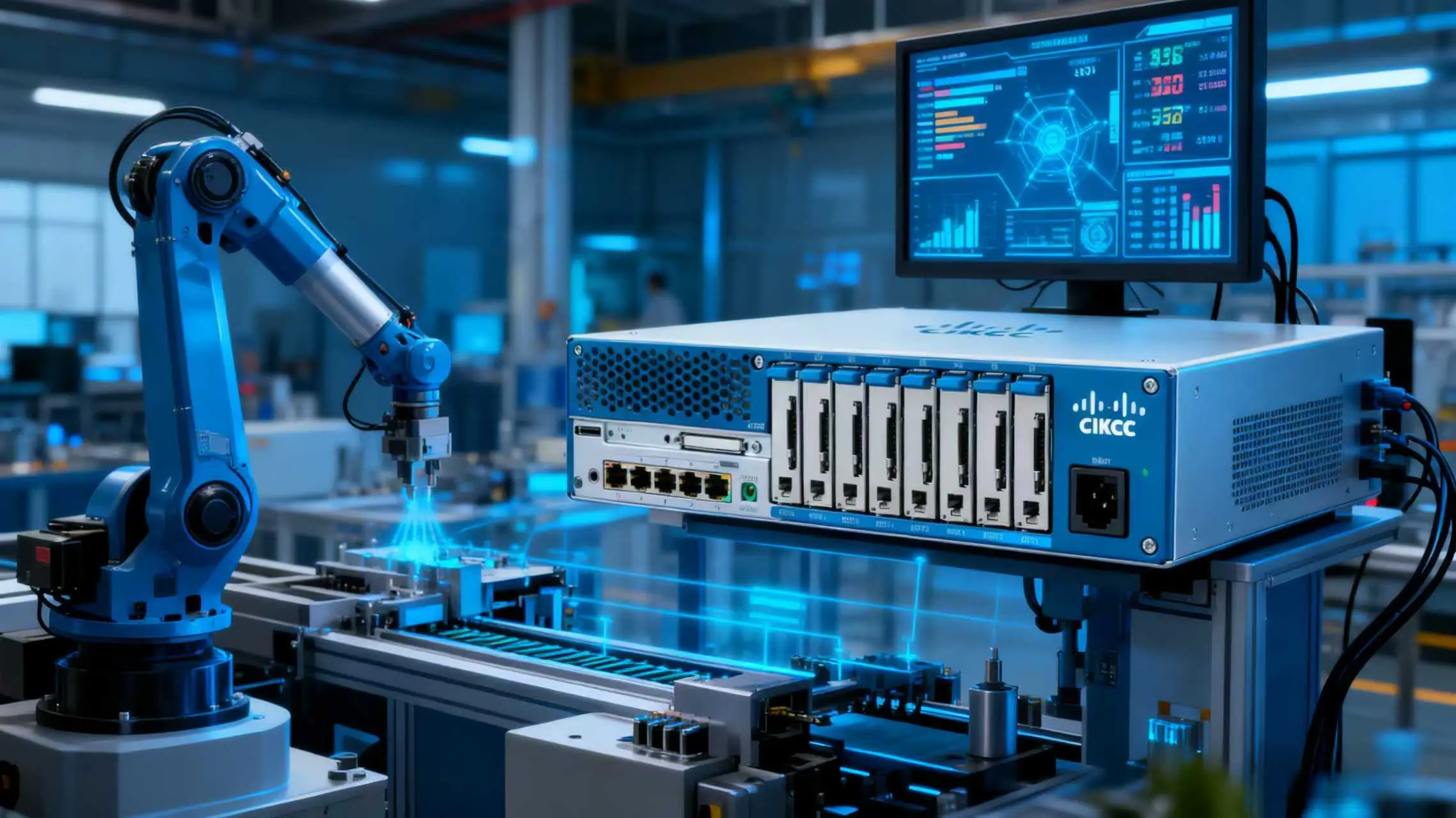
Cisco unveils AI-ready secure network architecture; next-generation routers and Wi-Fi 7 devices reshape enterprise connectivity.
On November 4th, Cisco announced a comprehensive upgrade to its enterprise security network architecture, launching a series of innovative solutions to address the high bandwidth and low latency requirements of distributed workloads in the AI era. Key highlights include:
Hardware Upgrades: The new 8200/8400 series security routers (with built-in firewall and ultra-low latency) and the CW9171I/CW9174 series Wi-Fi 7 access points will be available for order in Q4 2025;
Operations Innovation: The introduction of AgenticOps intelligent operations and maintenance mode, using AI agents to achieve fault prediction and cross-platform workflow automation, and the addition of a "Global Overview" function to the Meraki Dashboard for unified management of cloud and on-premises networks;
Security Enhancement: The launch of an identity-driven cloud management architecture, integrating Cisco Secure Access zero-trust protection and Access Manager identity access control, covering all scenarios including campus, branch, and cloud environments.
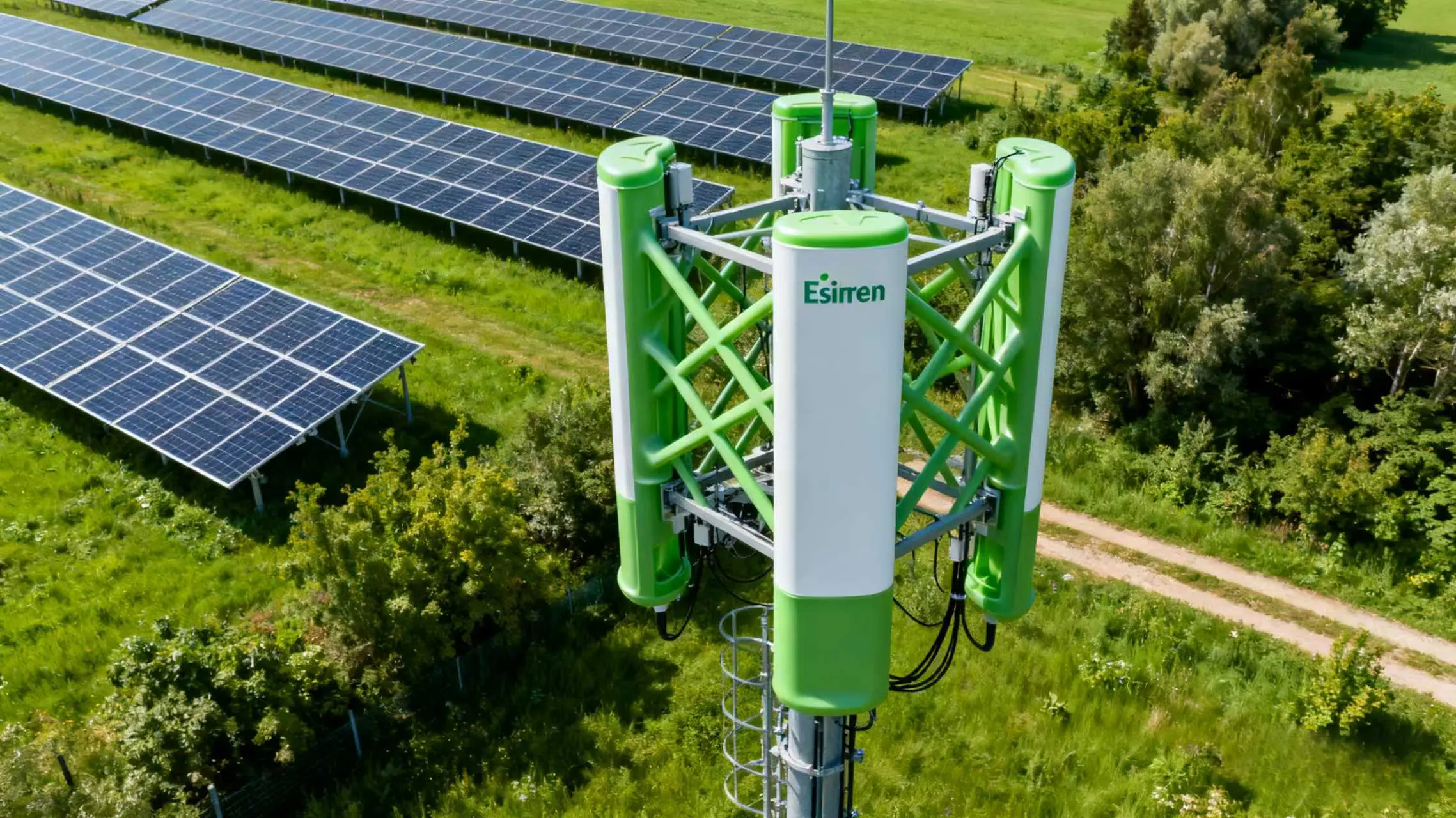
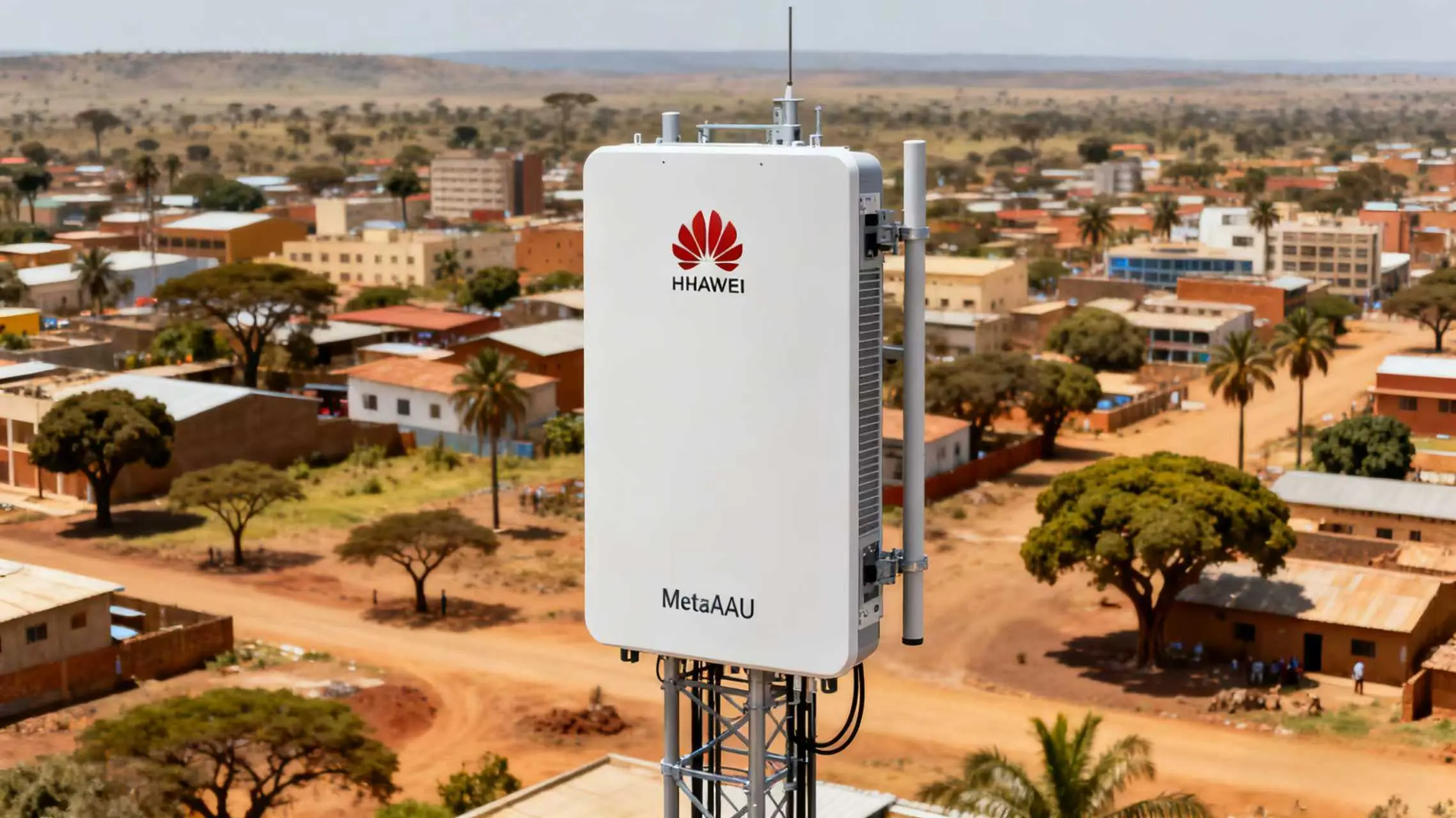
Ericsson unveils next-generation 5G equipment: achieving breakthroughs in both energy efficiency and performance, accelerating the rollout of 5G Advanced.
As a global leader in telecom equipment, Ericsson launched seven new wireless products, antennas, and open fronthaul solutions ahead of MWC25. The core highlight is the deep integration of "high performance + sustainability," targeting the evolving needs of 5G Advanced:
Flagship hardware upgrades: The flagship product AIR3266 (an ultra-thin broadband TDD Massive MIMO device) features Ericsson's self-developed silicon chip technology, reducing energy consumption by 30% and implicit carbon footprint by 50% at 400W output power, while significantly improving spectrum efficiency and uplink performance; the dual-band FDD product AIR3285 weighs only 30 kg (the lightest in its class), offering four times the uplink capacity of traditional solutions and greatly optimizing installation efficiency.
Open Fronthaul Innovation: The new RAN Connect series breaks through traditional network limitations. The RAN Connect 6682 boasts a throughput of up to 1.2Tbps, supporting large-scale deployment. 600Gbps-level indoor/outdoor products (6381, 6681) aggregate wireless traffic, unlocking new RAN Compute potential and helping operators build programmable networks.
Sustainability Across the Entire Product Line: All new products utilize recyclable materials and passive cooling technology. The interleaved antennas 8001/8002 integrate multiple frequency bands into a single antenna, reducing site leasing costs. The D620 power system's "zero-watt sleep" function completely eliminates idle power consumption, helping operators achieve net-zero power consumption.
Industry Impact: In 2025, 130 open-programmable wireless products will be delivered (accounting for more than two-thirds of total deliveries). Operators such as T-Mobile and Swisscom have clearly stated that they will leverage this product series to enhance core 5G Advanced capabilities such as network slicing and carrier aggregation.
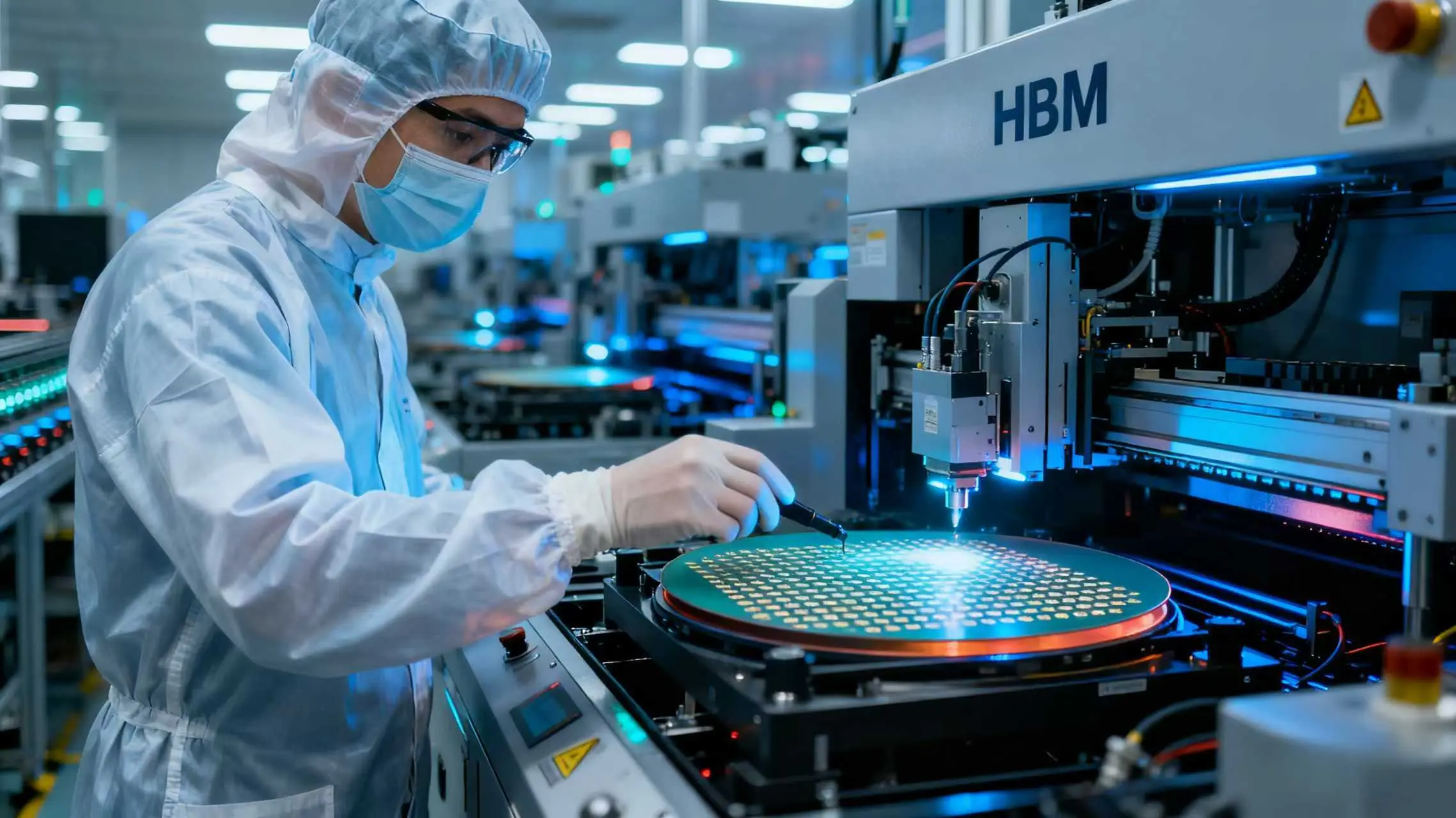
Memory chip market enters "supercycle": prices double, capacity grabbing, South Korean companies rake in hundreds of billions in profits.
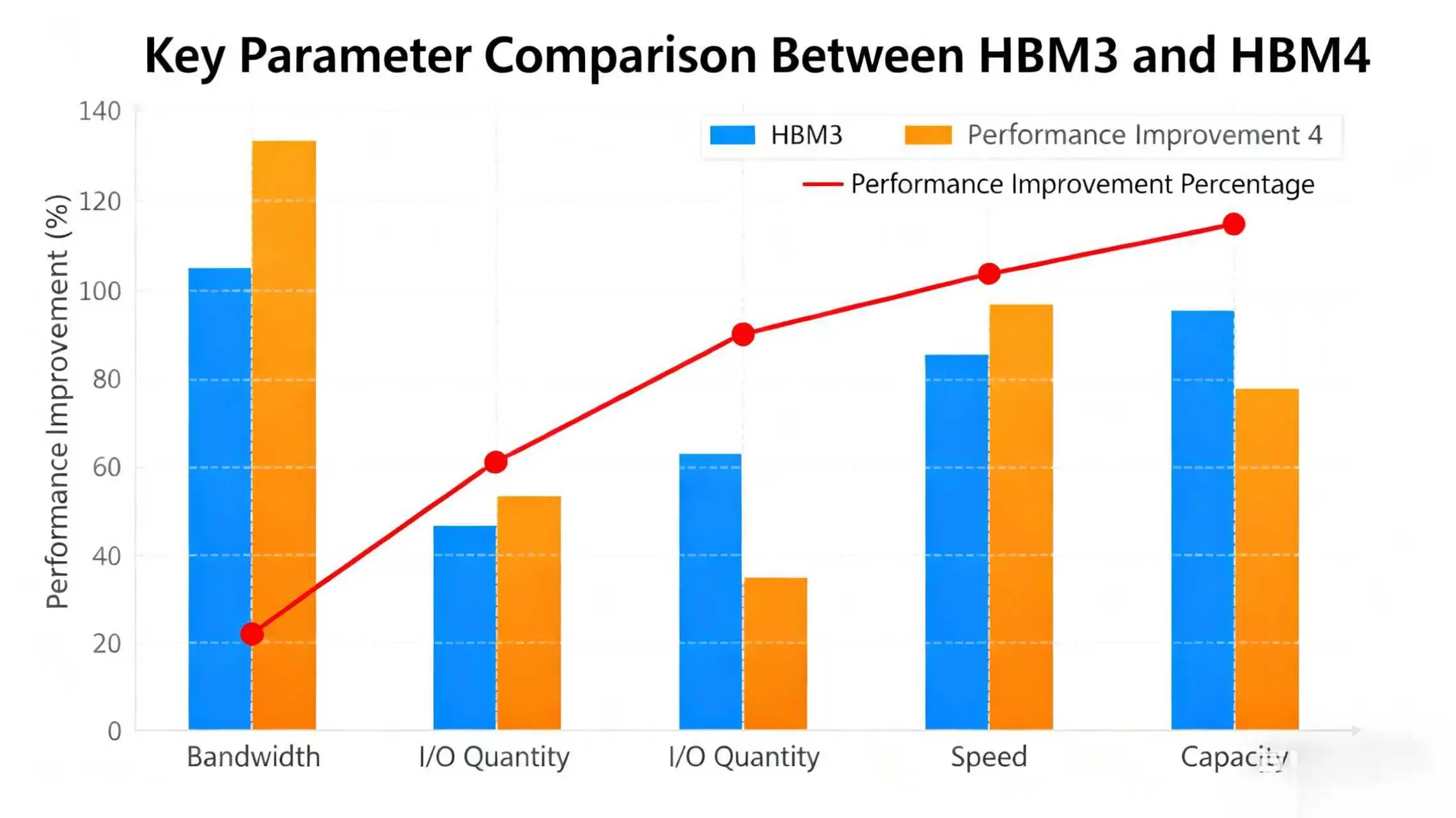
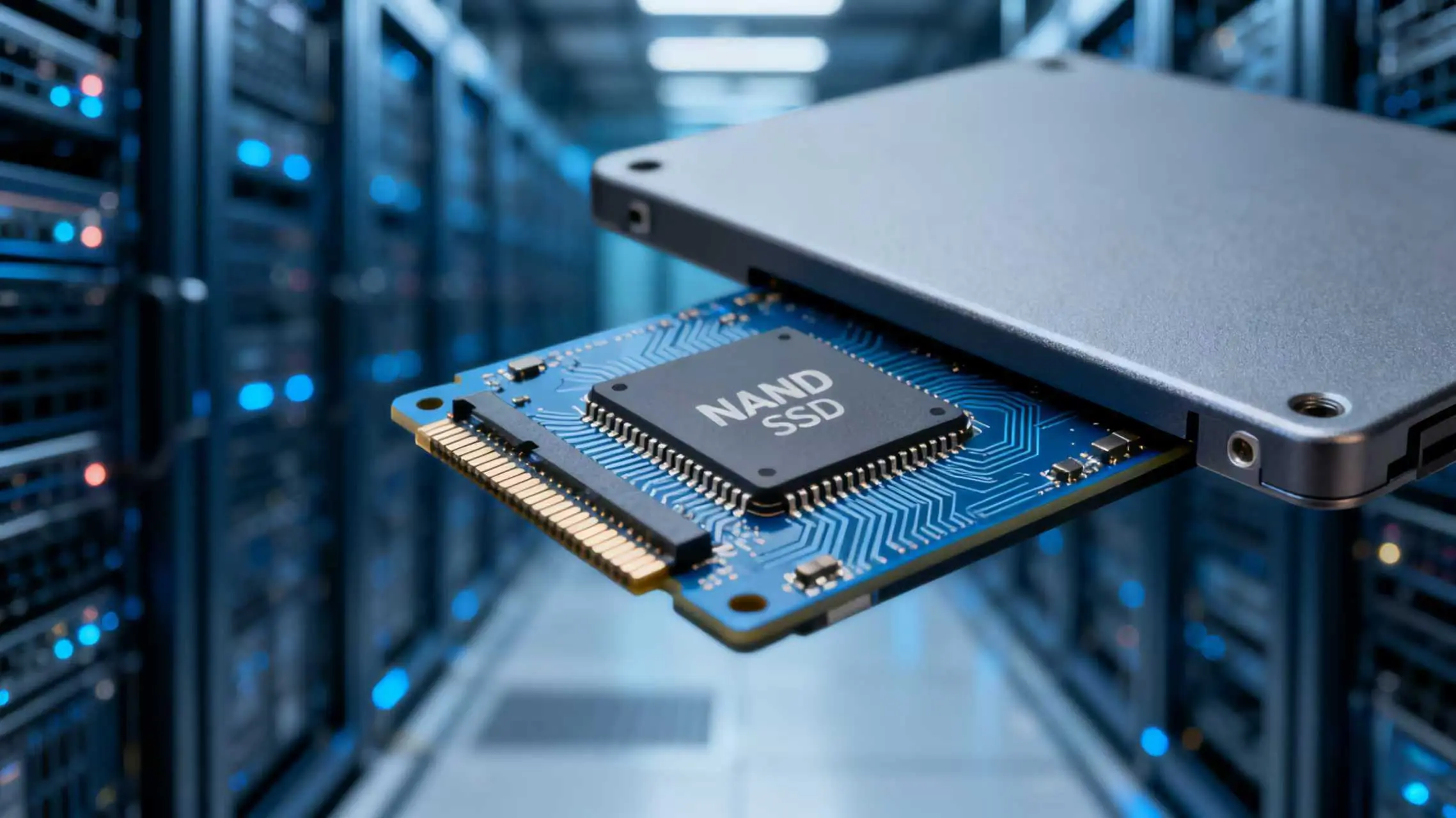
Storage chip prices have skyrocketed, ushering in a "super cycle" of price increases. According to a report by Fast Technology in October, since 2025, the prices of DRAM memory and NAND flash memory have continued to soar, with some categories seeing increases of up to 100%, and SSD controller chip shipments surging by 300% in a single month. The core reasons include global storage manufacturers collectively reducing production, shifting production capacity to high-profit AI-related storage (such as high-bandwidth memory, HBM), and the surge in data storage demand driven by AI. Industry analysts point out that the comprehensive price increases in Q4 are just the beginning, and the "super cycle" in the storage market may last for several years. Meanwhile, South Korea's two chip giants, Samsung and SK Hynix, have benefited significantly: Samsung regained its dominant position in the global storage chip market in Q3, and SK Hynix saw its market capitalization surge by over $100 billion in a single month due to the explosive growth of its HBM business, with the upward trend expected to continue.
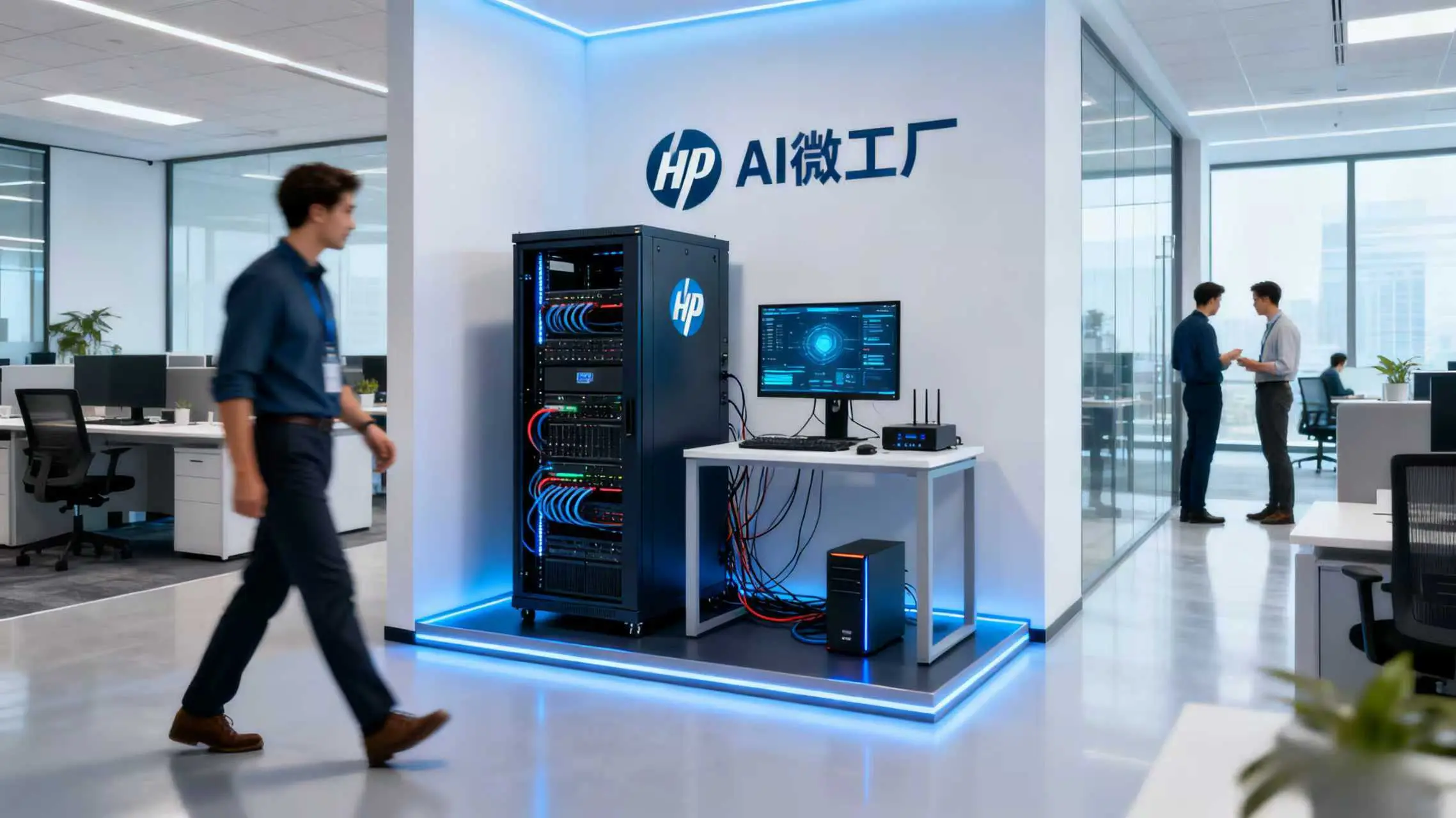
HPE, in partnership with NVIDIA, released its second-generation private cloud AI factory solution, reshaping the enterprise AI deployment paradigm.
Servers and AI Infrastructure: HPE and NVIDIA Launch Second-Generation Private Cloud AI Solution
On October 28th, at the NVIDIA GTC DC 2025 conference, HPE announced the expansion of its "NVIDIA AI Computing by HPE" portfolio, launching the second-generation private cloud AI factory solution. This solution targets the needs of governments, regulated industries, and enterprises, with key highlights including:
Unified Deployment: Providing a miniaturized turnkey AI factory, simplifying complex deployment processes and shortening the AI value delivery cycle;
Security and Compliance:Addressing core pain points such as data silos and sovereign compliance, supporting hybrid cloud and private AI deployments;
Full-Stack Collaboration:Integrating NVIDIA Blackwell GPUs, network software, and AI data platform reference designs, adapting to smart city and enterprise automation scenarios, and facilitating the "scale generation of smart tokens."
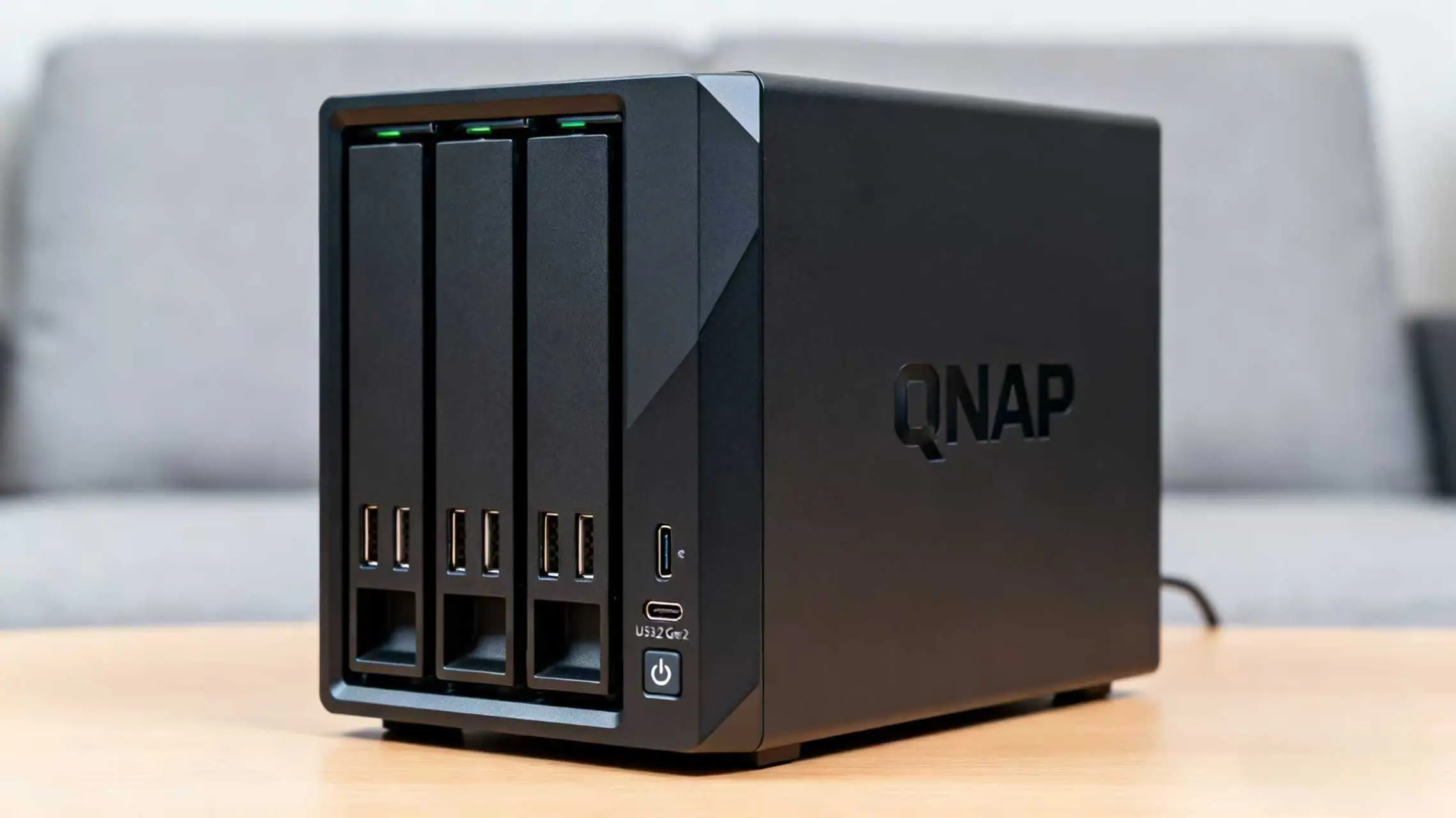
AI Reshapes the Storage Experience: QNAP Qu405 NAS Released, a Flagship Four-Bay NAS for Under 3200 Yuan
QNAP Enhances AI Interaction and Hardware Configuration with New Product
QNAP launches the new four-bay NAS, the Qu405, emphasizing a "high-performance + intelligent" storage experience:
Hardware Configuration: Equipped with an Intel N355 processor and integrated 32 EU graphics, offering powerful decoding capabilities suitable for audio/video playback and lightweight video streaming; standard 16GB DDR5 memory, dual M.2 SSD slots for flexible expansion; provides two 2.5G Ethernet ports (link aggregation up to 5G transmission speed), a front-panel Type-C USB 3.2 Gen2 port + two rear-panel USB 3.2 Gen2 ports + an HDMI port, maximizing interface expandability.
Software Upgrade: Supports switching between QTS and QuTS hero dual systems, introduces AI natural language operation, allowing direct control commands via QNAP MCP Assistant using natural language, lowering the barrier to entry for NAS use.
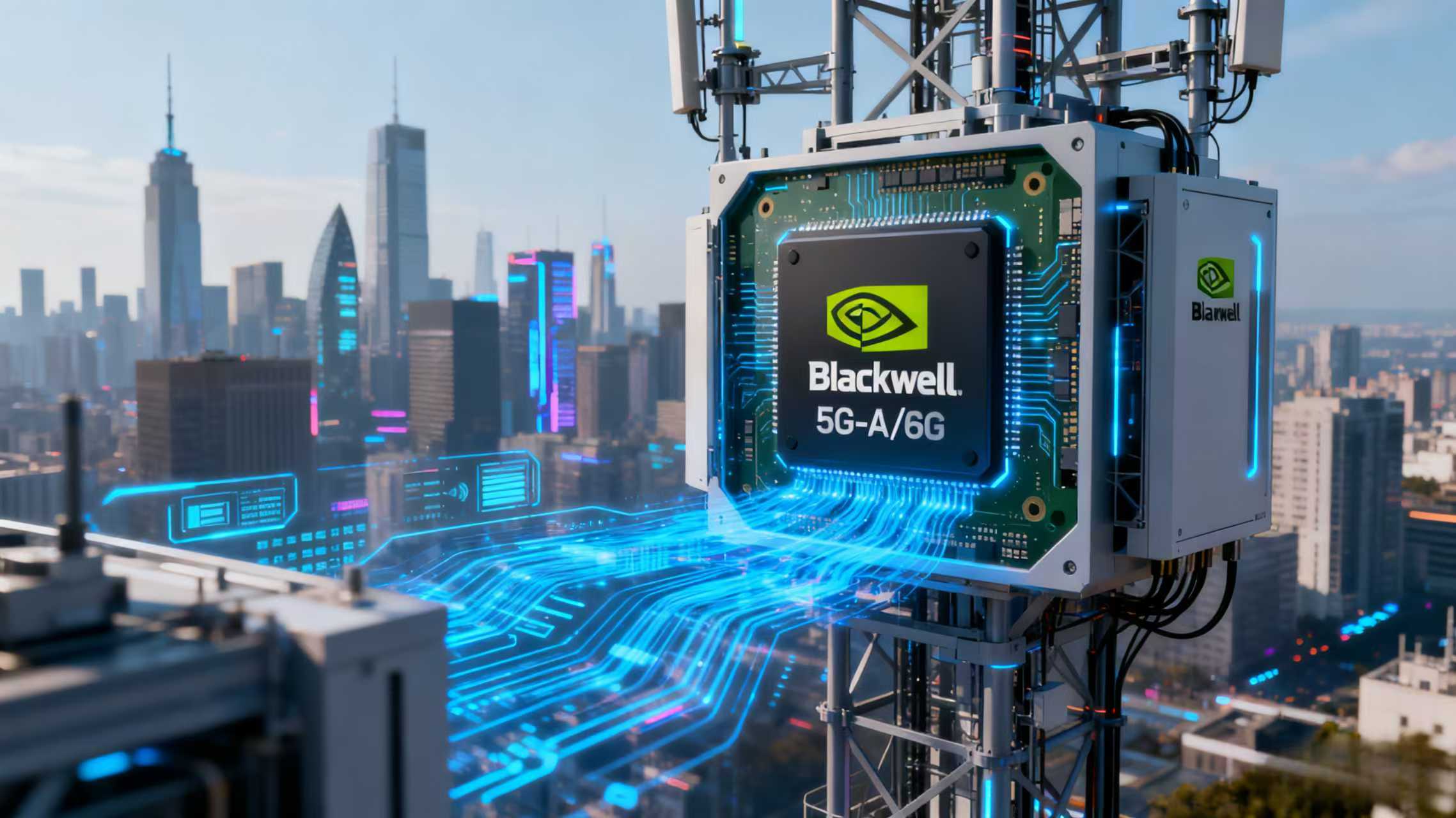
Nvidia Unveils US-Made Blackwell Wafers with 2nm Technology
NVIDIA Releases US-Made Blackwell Chip Wafers, Enabling Next-Generation Communications Systems: On October 18th, NVIDIA announced the first Blackwell chip wafers produced at TSMC's Arizona facility, marking a key step forward in the localization of high-end semiconductor manufacturing in the United States. The chip, manufactured using advanced 2nm, 3nm, and 4nm process technologies, will be widely used in hyperscale data centers, next-generation communications systems, and high-performance computing, providing enhanced computing power for the global network equipment industry and aligning with the US strategy to localize its technology manufacturing sector.
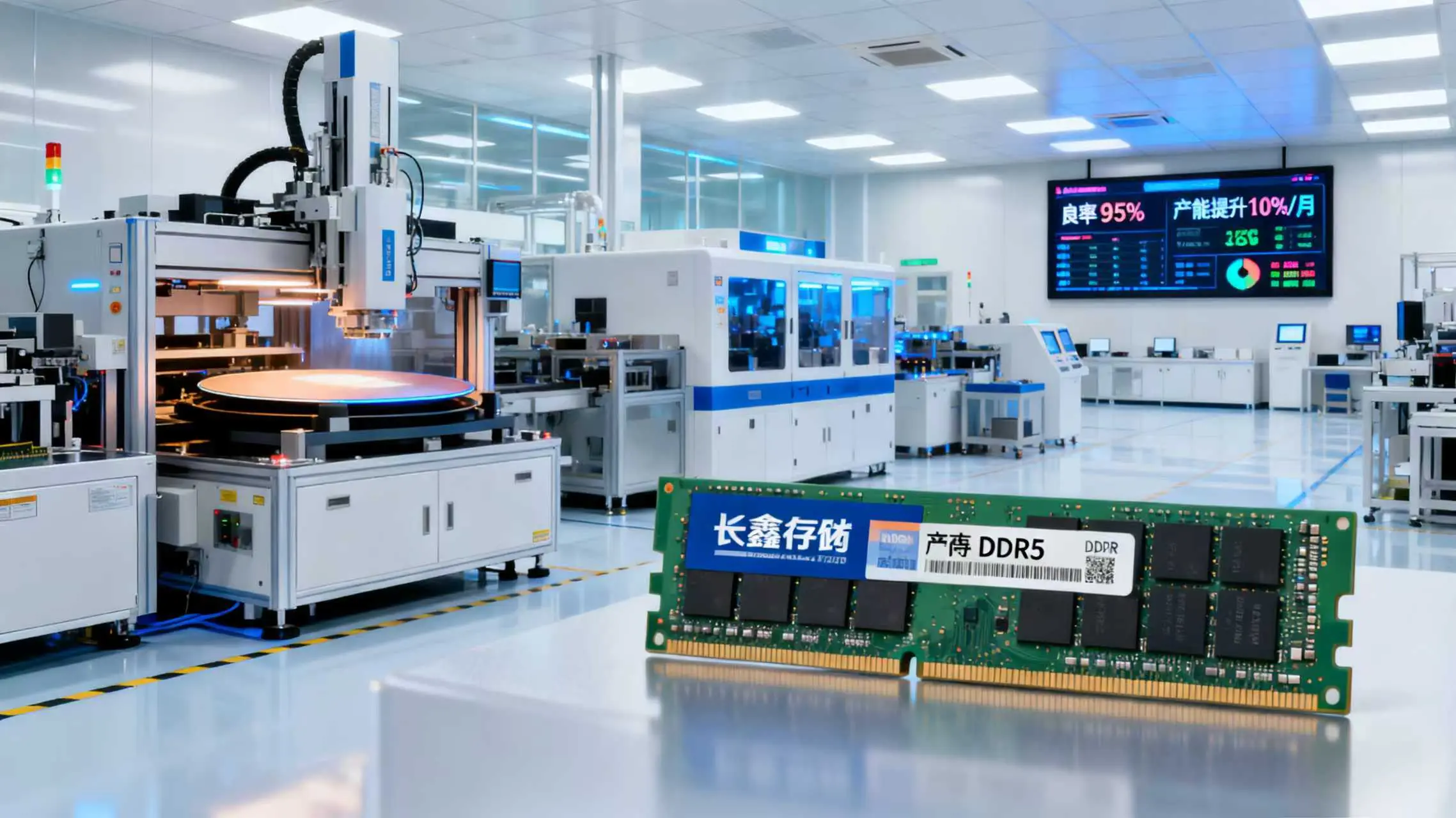
Skyrocketing memory prices trigger a chain reaction in the AI server industry: 6% price surges, delivery delays, and a major supply chain test for computing infrastructure.
AI server prices soar, delivery delays: Recently, due to the price increase of DDR4 and DDR5 memory, the price of servers, especially AI servers, has soared. Domestic server manufacturers have even delayed the delivery of server heads due to the shortage of DDR5. The price of the entire server has increased by nearly 6%.
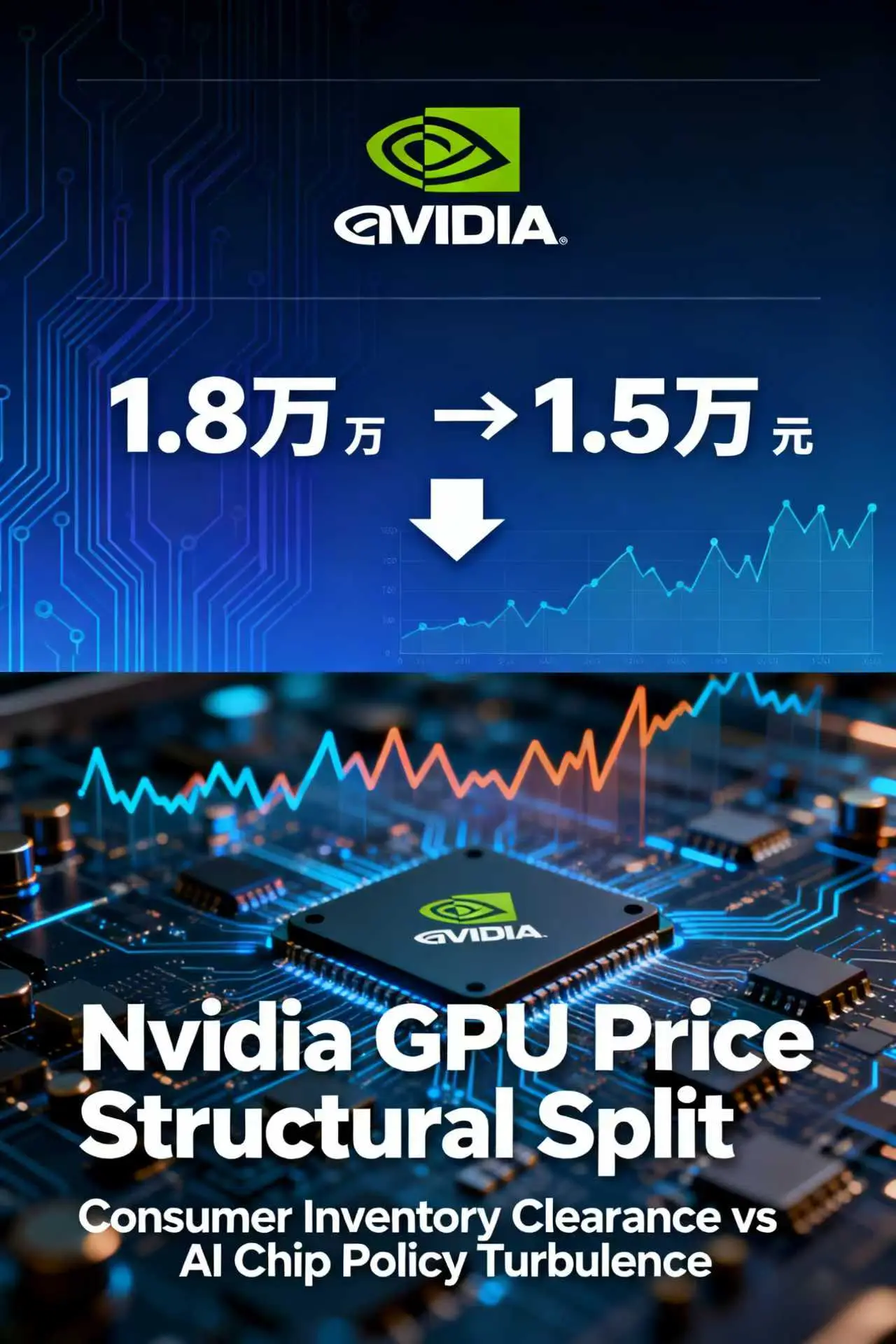
Nvidia graphics card prices are experiencing structural differentiation: consumer-grade products are experiencing price cuts to reduce inventory, while data center products are experiencing dual disru
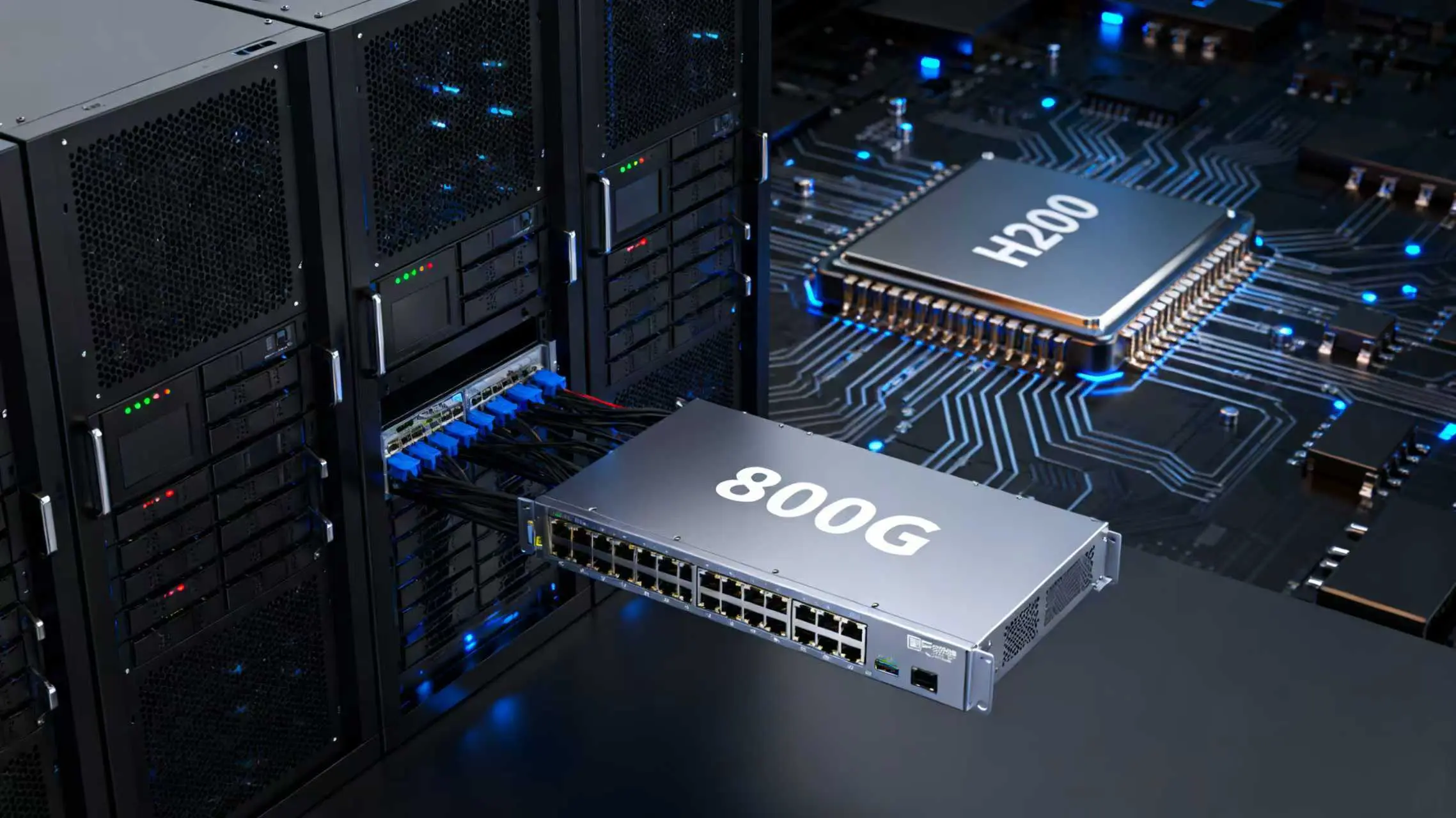
NVIDIA graphics card prices are undergoing structural adjustments: From October 12th to 18th, 2025, NVIDIA product prices showed a pattern of structural adjustments in consumer graphics cards and differentiated competition in data center products. The RTX 4090 and 5090 saw price declines due to inventory pressure and promotional activities, while data center products like the H200 and B300 experienced significant price fluctuations due to technological iterations and policy relaxation.