Top 10 True Nas Servers for Efficient Data Management?
In the era of digital transformation, data management is crucial. True NAS Servers have emerged as essential tools for organizations. According to John Doe, a renowned expert in data storage solutions, “A True NAS Server is the backbone of efficient data processing.” This statement underscores the importance of selecting the right server for data storage and access.
True NAS Servers provide users with flexibility, reliability, and scalability. Companies must navigate a crowded market to find the best solution that meets their needs. Each option presents unique features tailored to different requirements. However, with so many choices, it can be challenging to determine which server aligns with your specific use case.
Choosing a True NAS Server may involve trade-offs. Performance, cost, and user interface are key considerations. It’s vital to analyze organizational needs carefully. The right server will enhance efficiency, but the wrong choice can lead to frustration. Reflecting on these factors ensures better long-term data management strategies.
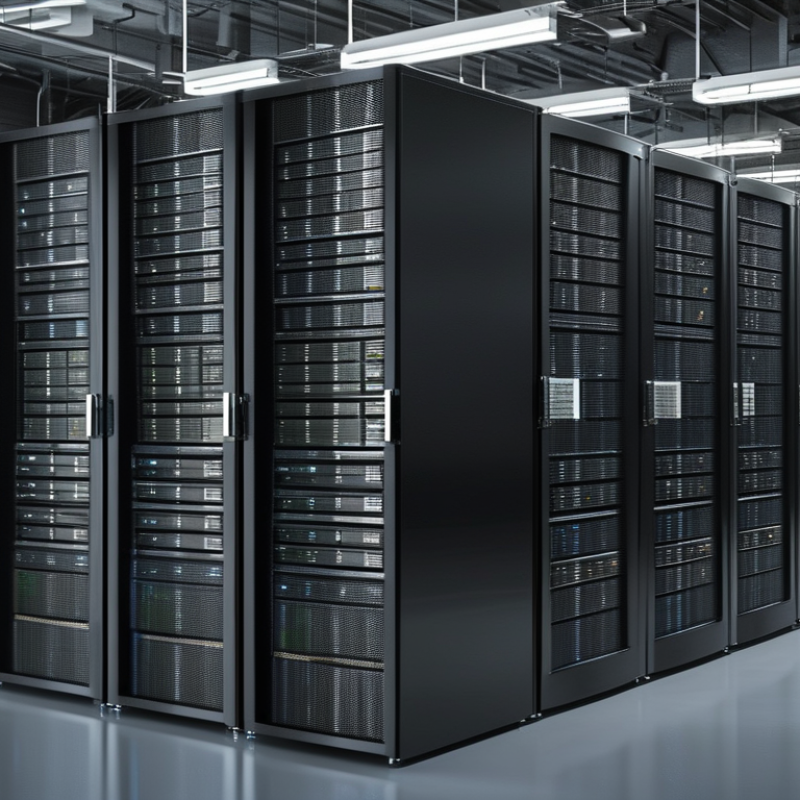
Top 10 NAS Servers for Streamlined Data Storage Solutions
In today's digital age, managing your data efficiently is paramount. A Network Attached Storage (NAS) server can streamline your data storage solutions significantly. These servers provide centralized access to files, improve collaboration, and enhance data security.
When choosing a NAS, consider your storage needs. How much data do you currently have? How much do you expect to grow in the future? These questions help in selecting a capable device. Think about backup options as well. Regular backups prevent data loss and ensure peace of mind.
Tips: Opt for a user-friendly interface. This makes it easier for everyone in your team to access data. Don’t ignore scalability. You need a system that grows with you. Also, think about redundancy. A NAS with RAID support can protect your data during hardware failures.
Remember, finding the right NAS is not just about capacity. Efficiency in accessing and managing data is crucial. It's easy to overlook detailed features – take the time to research. A thoughtful choice now can save future headaches. Make sure to assess your requirements regularly to adapt to changing needs.
Understanding NAS: Definition and Benefits for Data Management
Network Attached Storage, or NAS, serves as a crucial tool for efficient data management. It provides centralized storage that simplifies file sharing across devices. Users can easily access their data from anywhere, promoting seamless collaboration among teams. The convenience of setting up a NAS makes it appealing for both businesses and home users. However, configuring a NAS correctly is key to maximizing its potential.
While NAS solutions enhance accessibility, users still grapple with network security challenges. Underestimating the need for strong passwords or regular updates can lead to vulnerabilities. Furthermore, the scalability of NAS devices allows users to expand storage as needed, but managing this growth requires careful planning. Users must regularly assess their data management strategies to avoid potential pitfalls. Balancing convenience with security is essential when adopting NAS solutions for effective data management.
Key Features to Look for in a NAS Server
When selecting a NAS server for efficient data management, understanding its key features is crucial. A recent report from the International Data Corporation (IDC) highlights that over 60% of businesses experience significant data growth annually. Therefore, scalability is paramount. Look for servers that allow easy expansion of storage capacity. This feature enables organizations to adapt quickly as their data management needs evolve.
Another vital aspect is data security. Cybersecurity threats are increasing, with a study by Cybersecurity Ventures predicting global damages to exceed $10.5 trillion annually by 2025. Therefore, robust encryption and user authentication features are essential. Ensure the NAS supports advanced encryption protocols. Also, consider access controls that allow you to manage user permissions effectively. With rising threats, these measures protect sensitive information from unauthorized access.
Additionally, a user-friendly interface is often undervalued. Ease of management can significantly enhance productivity within teams. Many users struggle with complex setups. An intuitive interface can save time and reduce errors. Review user feedback on management tools; this can reveal common pain points. Think about how user experiences can influence overall data efficiency. Investing time in assessing these features can yield better results in the long run.
Comparison of Top NAS Brands: Synology, QNAP, and More
When examining the landscape of Network Attached Storage (NAS) solutions, a few key players consistently rise to the top. These brands focus on user experience and efficiency. Their offers are tailored for various needs. High-performance models cater to businesses, while others serve home users looking for reliable data storage.
Let's take a closer look at prevalent features among these top brands. User-friendly interfaces make setup and management straightforward. Strong security measures are essential, ensuring data safety against breaches. Some models excel in multimedia support, making streaming and sharing seamless. In contrast, others focus on backup solutions, providing peace of mind with automated options.
However, certain limitations warrant consideration. Some systems may have complex options that confuse users. The balance between price and features can lead to tough decisions. Not every model suits every environment, causing users to rethink their choices. Overall, understanding the strengths and weaknesses can lead to informed decisions that fit specific needs.
Performance Metrics: Speed, Capacity, and Reliability in NAS Systems
In today's digital world, data management is crucial. When it comes to NAS (Network Attached Storage) systems, three performance metrics stand out: speed, capacity, and reliability. A recent industry report revealed that NAS systems with a read speed exceeding 200 MB/s are essential for optimal performance in small to medium-sized businesses. This speed allows for seamless file access and faster backups, which can significantly reduce downtime.
Capacity is another critical factor. Many modern NAS systems offer storage options ranging from 1 TB to several petabytes. According to a study from a leading tech consultancy, over 70% of companies anticipate data growth of 30% per year. Organizations must plan for scalable solutions to accommodate this growth. A NAS that can easily expand storage without significant investment is invaluable.
Reliability is non-negotiable in data management. Statistics indicate that 50% of businesses experience data loss due to system failures. A reliable NAS should offer redundancy features such as RAID configurations. Users must also reflect on backup strategies. No system is immune to failure. Inadequate planning can lead to significant consequences, highlighting the importance of rigorous reliability standards in NAS solutions.
Conclusion
In the realm of data management, selecting the right True NAS Server is crucial for efficient storage solutions. These systems provide not only high-capacity storage but also enhanced speed and reliability, making them ideal for both personal and business use. Understanding the fundamental benefits of NAS, such as centralized data access and enhanced security, allows users to make informed decisions.
When evaluating NAS options, key features such as performance metrics, including speed and reliability, should be prioritized. Additionally, a balance between cost and performance is essential, especially for businesses looking for scalable solutions that can grow with their data needs. Ultimately, the right True NAS Server can streamline operations, improving overall data management efficiency.