2026 Top Ethernet Router Choices for Home and Office Use?
In today’s digital age, choosing the right Ethernet Router is essential for both home and office spaces. Experts predict that global Ethernet Router sales will reach $20 billion by 2026. With the increase in smart devices, reliable internet connectivity has become a necessity. John Smith, a networking technology expert, emphasizes, “A quality Ethernet Router is the backbone of any efficient network.” This highlights the router's importance in ensuring seamless communication.
While many options exist, not all routers deliver the promised performance. Some may prioritize speed, overlooking essential features like security or user-friendliness. Additionally, the rapid advancement of technology can be overwhelming for consumers. Many routers have outdated firmware, posing security risks.
Selecting the right Ethernet Router requires careful consideration. Factors like bandwidth, number of ports, and compatible devices play crucial roles. Understandably, not every model will suit every environment. Balancing performance and cost is a continual challenge. The search for the ideal Ethernet Router is ongoing, demanding research and reflection on user needs.

Top Features to Consider in Ethernet Routers for 2026
When choosing Ethernet routers for home or office use in 2026, certain features stand out. Speed is paramount. Many reports indicate that 1 Gbps connections are becoming the standard. However, future-proofing for 10 Gbps connections is wise. This ensures you won’t need an upgrade for years.
Security features are equally crucial. A report by cybersecurity analysts suggests that up to 60% of home networks face some security risk. Routers with built-in firewalls and threat detection are essential. You want robust protection against potential cyber threats.
Connectivity options can make or break your router choice. Dual-band and tri-band routers offer better performance. However, having multiple Ethernet ports is often overlooked. More devices may mean a greater need for wired connections, especially in office settings. A router that doesn't accommodate this might lead to frustrations and slower speeds. Consider these aspects carefully to avoid hiccups in performance.
2026 Top Ethernet Router Choices for Home and Office Use
| Router Model |
Speed |
Ports |
Wi-Fi Standard |
Security Features |
Price Range |
| Model A |
Up to 1 Gbps |
4 LAN, 1 WAN |
Wi-Fi 6 |
WPA3, Firewall |
$100 - $150 |
| Model B |
Up to 2 Gbps |
8 LAN, 1 WAN |
Wi-Fi 6E |
WPA3, QoS |
$200 - $300 |
| Model C |
Up to 1.5 Gbps |
6 LAN, 2 WAN |
Wi-Fi 5 |
WPA2, VPN Support |
$80 - $120 |
| Model D |
Up to 3 Gbps |
10 LAN, 1 WAN |
Wi-Fi 6 |
WPA3, IDS/IPS |
$250 - $400 |
| Model E |
Up to 2.5 Gbps |
4 LAN, 1 WAN |
Wi-Fi 6E |
WPA3, Guest Network |
$150 - $250 |
Best Ethernet Routers for Home Use: Recommendations and Reviews
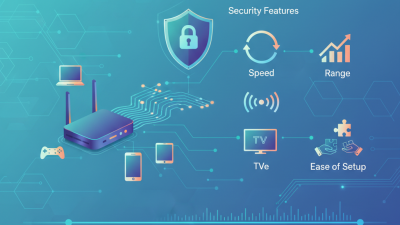
When it comes to choosing a top Ethernet router for home use, various factors should be considered. Recent industry reports suggest that more than 50% of households rely on wired connections for their internet needs. This shows the growing importance of having a reliable Ethernet router. Features like speed, security, and range can significantly impact user experience.
Speed is crucial. Most modern Ethernet routers support speeds of 1 Gbps or higher. Depending on your internet service, you might not need the latest model. However, investing in a router with at least 1 Gbps capability ensures future-proofing. Additionally, routers with multiple Ethernet ports allow for connecting several devices simultaneously, which is essential in busy households.
Tips: Evaluating your home layout can make a difference. What works in one room may not be suitable for another. Think about where your devices are located. Placement matters! Keep your router in a central location for optimal performance. Also, regularly check for software updates. Many forget this simple maintenance step, which can enhance security and speed. Reflecting on your specific needs helps tailor your router choice.
2026 Top Ethernet Router Choices for Home and Office Use
This chart illustrates the average speed (in Mbps) and coverage area (in square feet) of various types of Ethernet routers suitable for home and office use in 2026. The data reflects typical performance characteristics that consumers can expect.
Comparative Analysis: Price vs. Performance in 2026 Ethernet Routers
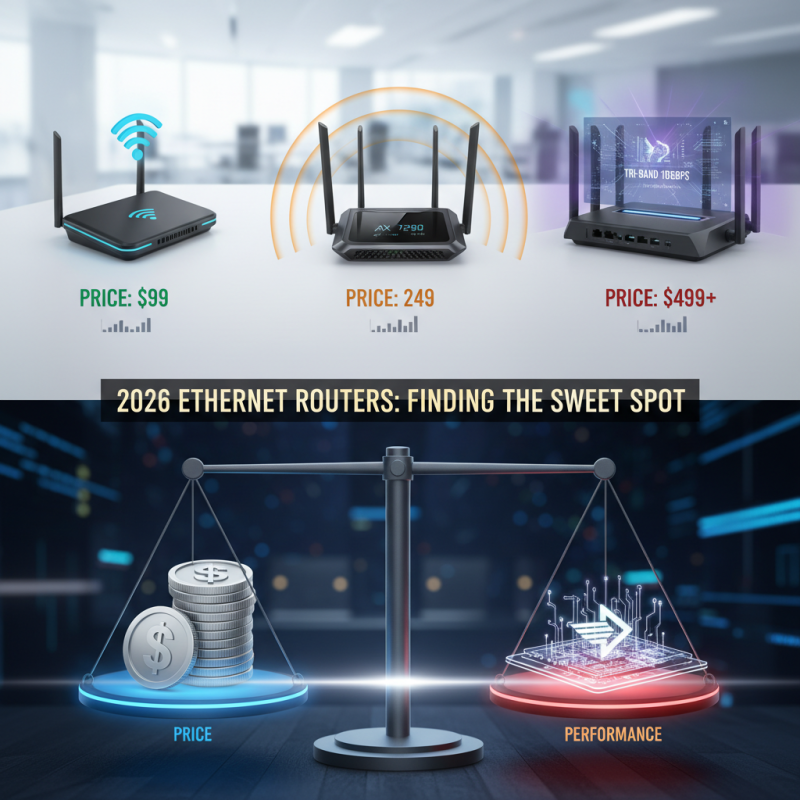
Understanding the balance of price and performance is crucial in selecting an Ethernet router for 2026. Recent industry analysis suggests that the average consumer spends around $100-$300 on a reliable router. This range reflects various performance levels, from basic home use to more demanding office environments. Routers at the lower end may lack the speed and features that businesses require.
According to the latest data report from the Network Equipment Association, performance metrics show that routers priced above $200 often provide better speed, lower latency, and enhanced connectivity options. These routers typically support the latest Wi-Fi standards, which are essential for high-speed internet experiences. However, many consumers still opt for budget-friendly routers, sacrificing quality for cost. This raises questions about long-term satisfaction and efficiency.
Tips: Always assess your actual needs before purchasing. Do not overspend if your requirements are low. Also, consider future-proofing your purchase. Investing slightly more can extend the device's useful life. Many affordable options may quickly become outdated. Reliability should not be overlooked. The choice of an Ethernet router directly impacts your network experience. Make sure to weigh both price and performance thoroughly.
Future Trends in Ethernet Router Technology: What to Expect in 2026
As we look ahead to 2026, several trends in Ethernet router technology are shaping the future. One major trend is the move towards 10Gbps speeds. Recent industry reports indicate that by 2026, around 40% of homes will adopt 10Gbps internet plans. This shift will necessitate routers capable of supporting such high speeds, impacting both home and office environments.
Another evolving aspect is the integration of AI in router management. AI-powered routers will optimize network traffic more efficiently. They can prioritize tasks and enhance security. In fact, reports suggest that by 2026, AI-enabled features could reduce connection drop rates by up to 30%. However, users may need to adapt to new interfaces, which can be daunting at first.
Tips: When selecting a future-proof router, ensure it’s equipped for 10Gbps. It’s wise to check compatibility with your internet service provider. Consider also how intuitive the user interface is. New technologies may require some learning. A router with AI may provide benefits, but will you be prepared for the adjustments?