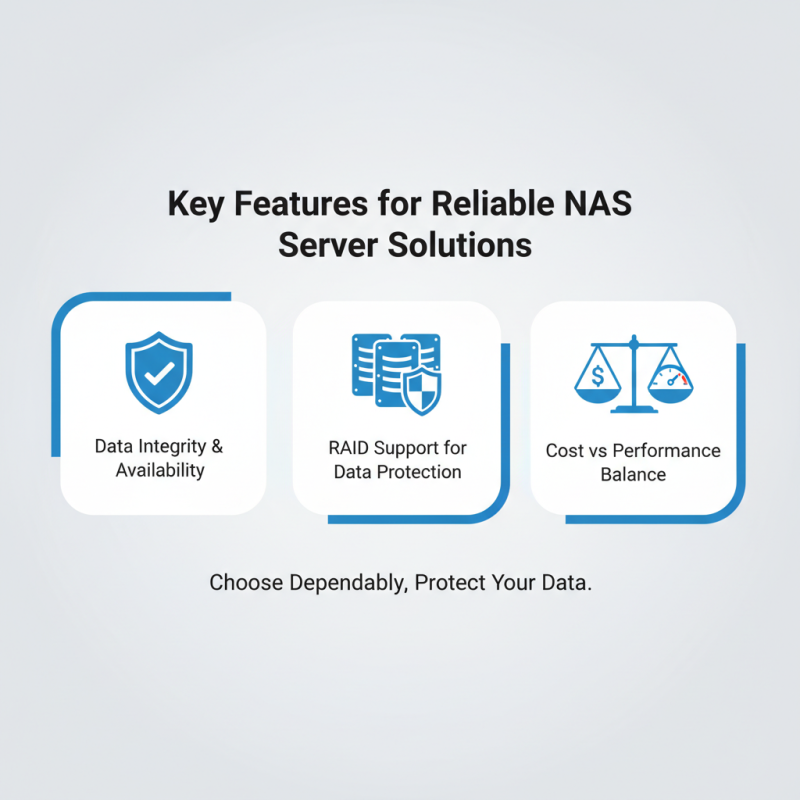
Top 10 True NAS Server Solutions for Global Buyers?
In today's digital landscape, data storage is critical. For businesses and individuals alike, choosing the right storage solution can be daunting. True NAS Server solutions stand out for their reliability and performance. These systems provide centralized storage that enhances data accessibility and security.
As more users seek effective ways to manage their information, the demand for premium True NAS Server options grows. Quality matters in the storage realm. Features like data redundancy, speed, and scalability often dictate user choices. However, not all offerings meet expectations. It’s essential to evaluate these servers based on real-world experiences and specifications.
Navigating the myriad options available can lead to confusion. Misleading marketing can overshadow genuine quality. Serious buyers must consider their unique needs before making a choice. This guide aims to highlight the top 10 True NAS Server solutions that cater to diverse preferences. Through a careful examination of features and user feedback, we aim to provide insights that are both informative and trustworthy.

Understanding True NAS Servers and Their Importance for Global Buyers
True NAS servers play a crucial role in data storage and management. Understanding these systems helps global buyers make informed decisions. True NAS solutions are designed for reliability and performance. They provide centralized data access, allowing multiple users to work seamlessly.
The importance of True NAS servers cannot be overstated. They often feature advanced data protection protocols and high-capacity storage options. Users benefit from improved file organization and easy backups. However, some buyers may struggle with the complexity of setup and maintenance. It's vital to evaluate whether the investment meets specific needs.
Buyers must also consider scalability. As businesses grow, their data requirements change. True NAS servers can adapt to these shifts. However, not all solutions offer the same flexibility. Researching user experiences can highlight potential pitfalls and help in making an educated decision.
Top 10 True NAS Server Solutions: Performance Metrics
This chart illustrates the performance metrics of top true NAS server solutions in terms of storage capacity and data transfer speed.
Top 10 NAS Server Solutions: An Overview of Leading Options
When considering a NAS server, several solutions stand out for their reliability and performance. A true NAS server offers advanced features for data storage and accessibility. These solutions typically allow users to back up files, share data across networks, and support multiple users. Choosing the right one can be overwhelming without a clear understanding of individual needs.
Tip: Assess your storage requirements before selecting a NAS solution. Think about how much data you need to manage now and in the future. It's wise to look for options that offer scalability.
Many options provide robust security features, which is essential for sensitive data. Some include encrypted data transmission and automatic backup. But not all are user-friendly. Some may have complex setup procedures, which can be frustrating. Therefore, evaluating user experience is crucial.
Tip: When reviewing options, consider community support and documentation available for each solution. This is vital for troubleshooting and user assistance. Remember, a reliable NAS solution can become a cornerstone of your data management strategy.
Comparative Analysis: Pricing and Performance of Top NAS Solutions
When considering NAS solutions, pricing and performance are crucial. The right choice can significantly impact productivity. According to recent industry reports, the average cost for a standard NAS server ranges from $300 to $3,000. However, investments often correlate with features and performance metrics. High-end models deliver exceptional throughput, often exceeding 400 MB/s in read/write speeds.
Performance benchmarks reveal that many entry-level models struggle under heavy workloads. Their sustained performance usually dips below expectations, with many under 100 MB/s in real-world scenarios. This raises questions about reliability. Users need systems that can maintain high speeds during peak usage without thermal throttling. Additionally, many systems lack sufficient redundancy options, which can be concerning for data integrity.
Market analysis shows that scalability is a critical factor. Solutions that allow easy upgrade paths tend to offer better long-term value. Systems with limited expansion capabilities may require replacements sooner than anticipated. As NAS solutions evolve, it is vital to consider future needs against current capabilities. Balancing immediate performance with growth potential can be daunting but necessary for optimal investment.
User Experiences: Testimonials from Global NAS Server Buyers
The demand for Network Attached Storage (NAS) continues to rise globally. Users appreciate the flexibility that NAS systems offer. Testimonials from various buyers reveal similar themes about their experiences. Many have found that setting up NAS systems is straightforward, although some faced challenges in initial configuration. A report from 2022 noted that 30% of users experienced issues during setup, prompting them to seek online resources or professional help.
Performance is a key area of feedback. Users often mention how NAS improves file access speed. According to industry data, 68% of users reported enhanced data retrieval times. However, while performance varies by model, it’s not always consistent. Some buyers noted that their devices lagged under heavy loads, requiring regular monitoring to optimize usage.
Reliability is another critical factor. Users rely on NAS for data security and backup solutions. A survey revealed that 25% of users had experienced data losses due to hardware failures or configuration mistakes. Buyers emphasized the importance of regularly testing backups to mitigate risks. These insights remind us that while NAS solutions can enhance workflows, they require diligent management and occasional troubleshooting.