How to Optimize Your Network with Juniper Networks Solutions?
In the ever-evolving digital landscape, optimizing network performance is crucial for businesses. Juniper Networks offers robust solutions tailored to meet various connectivity demands. Industry expert Lisa Thompson, a senior engineer at Juniper Networks, once stated, “A well-optimized network can transform your business operations.”
Many organizations face challenges in ensuring their networks are efficient. Options exist, but selecting the right technology can be daunting. Juniper Networks provides various tools designed to streamline network management and enhance performance. From automation to security features, these solutions are essential for businesses looking to thrive in a connected world.
While the benefits are clear, implementation can pose hurdles. Organizations often grapple with existing infrastructure and the skills gap among their teams. Reflecting on these challenges can lead to better decision-making. Embracing Juniper Networks solutions may be the key to unlocking true network optimization.

Understanding the Importance of Network Optimization in the Digital Age
In today’s digital age, network optimization is not just a trend; it’s essential for business success. Reports show that organizations leveraging optimized networks can improve application performance by up to 40%. This increase drives productivity and enhances customer satisfaction. With data traffic predicted to triple in the next five years, businesses must act fast. Otherwise, slow networks could hinder growth.
Simple steps can enhance network performance. Regularly assess bandwidth usage to identify bottlenecks. Invest in high-quality routers and switches that support your network’s demands. Implementing quality of service (QoS) protocols helps prioritize critical applications. Basic changes can yield significant improvements.
Many firms overlook network monitoring. Yet, continuous analysis is vital. Insufficient monitoring can lead to unnoticed outages or slowdowns. Focus on improving latency levels; aim for sub-100 milliseconds for optimal performance. Ensure your infrastructure is scalable. Your network should evolve with technological advancements and business needs. Always stay proactive; reactive solutions often fall short.
Key Juniper Networks Solutions for Enhanced Network Performance
When looking to optimize your network, consider key solutions that elevate performance. One effective approach involves implementing advanced routing protocols. These protocols improve data flow and reduce latency. They ensure that data packets find the fastest paths through complex networks. This can lead to noticeable speed improvements.
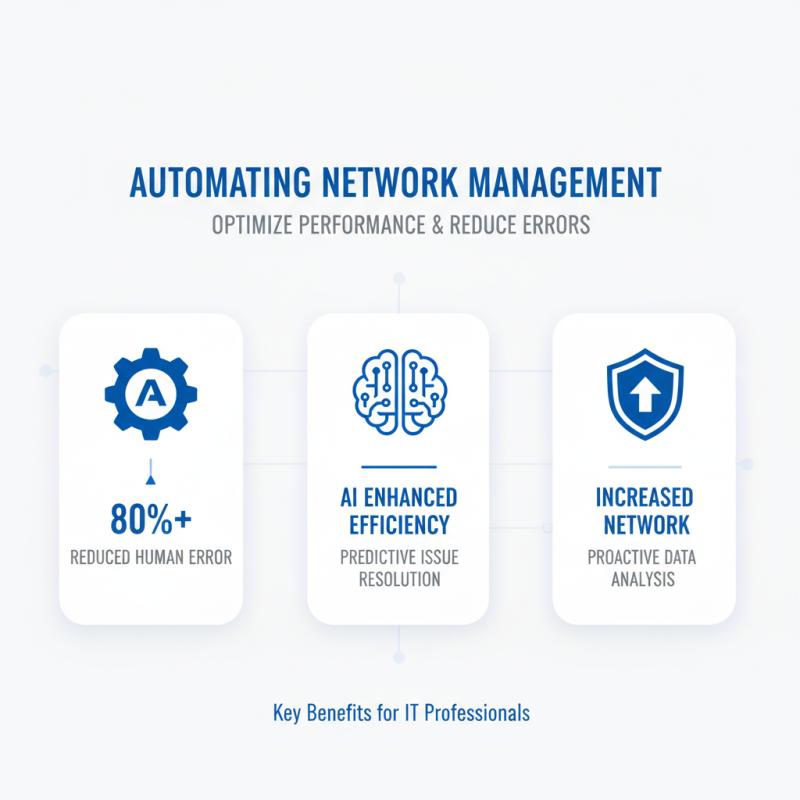
Another critical component is the use of automated management tools. These tools can streamline network processes. They help detect issues before they escalate. However, it’s important to review and refine these automated processes regularly. Sometimes, they can create unexpected bottlenecks.
Security solutions are also vital for any network. Integrating robust security measures protects data integrity and user privacy. However, overly complex security layers can hinder performance. Therefore, ongoing assessment is necessary to strike a balance. The goal is to keep the network safe without sacrificing speed or efficiency.
Analyzing Network Traffic: Tools and Techniques with Juniper
Analyzing network traffic effectively is crucial for optimizing network performance. Various tools provide insights into bandwidth usage, application performance, and potential bottlenecks. According to a recent industry report, over 70% of organizations struggle with managing their network traffic efficiently. This highlights the need for advanced solutions that can analyze and visualize data in real-time.
Tips: Regularly monitor your network traffic using automated tools. Automation reduces human errors and saves time.
Techniques for traffic analysis include Deep Packet Inspection (DPI) and flow analysis, which allow administrators to capture and analyze data packets. DPI can identify applications that consume excessive bandwidth. A survey found that 65% of IT teams use flow analysis tools to optimize their networks. However, relying solely on these methods can lead to overlooking critical issues.
Tips: Set performance benchmarks to measure changes over time. Adjust as needed based on traffic patterns.
Network traffic analysis should also account for anomalies. For instance, a sudden spike in traffic might indicate a security threat. Always question what the data is telling you. Strive for a balance between data insights and proactive troubleshooting.
How to Optimize Your Network with Juniper Networks Solutions? - Analyzing Network Traffic: Tools and Techniques with Juniper
| Tool/Technique |
Purpose |
Key Features |
Benefits |
| Traffic Analyzer |
Monitor network traffic patterns |
Real-time monitoring, historical data analysis |
Identify bottlenecks, optimize bandwidth usage |
| Packet Capture Tool |
Capture and analyze packets flowing through the network |
Deep packet inspection, protocol analysis |
Troubleshoot network issues, security analysis |
| Bandwidth Monitor |
Measure the amount of data transmitted over the network |
Graphical data representation, alerting on thresholds |
Prevent overloads, ensure network performance |
| Latency Measurement Tool |
Measure delay in the network communication |
Ping tests, round-trip time analysis |
Enhance user experience, diagnose slow connections |
| Network Mapping Tool |
Visual representation of network topology |
Dynamic mapping, device tracking |
Improved troubleshooting, network planning |
Measuring Success: KPIs and Metrics for Network Optimization with Juniper
Measuring success in network optimization requires identifying key performance indicators (KPIs) and metrics. These elements guide decisions and prove effectiveness. You need relevant metrics to evaluate network performance. Network latency, throughput, and packet loss are crucial. Each metric tells a part of the story.
Tips: Focus on user experience. Measure response times during peak usage. This can reveal performance bottlenecks. Regularly review network traffic. Adjustments may be necessary based on usage patterns. Keep a close eye on unexpected spikes or drops.
Don't overlook the importance of security metrics. Track intrusion attempts and security breaches. These figures indicate how well your optimization strategies are performing. Reflections on network downtime reveal room for improvement. Continuous monitoring is vital to understanding the true health of your network.