Essential Network Storage Rack Tips for Efficient Data Management?
In today's digital landscape, efficient data management is crucial. A well-organized Network Storage Rack can make a significant difference. This rack serves as the backbone for storing and accessing data. Its design impacts data retrieval speed and overall system performance.
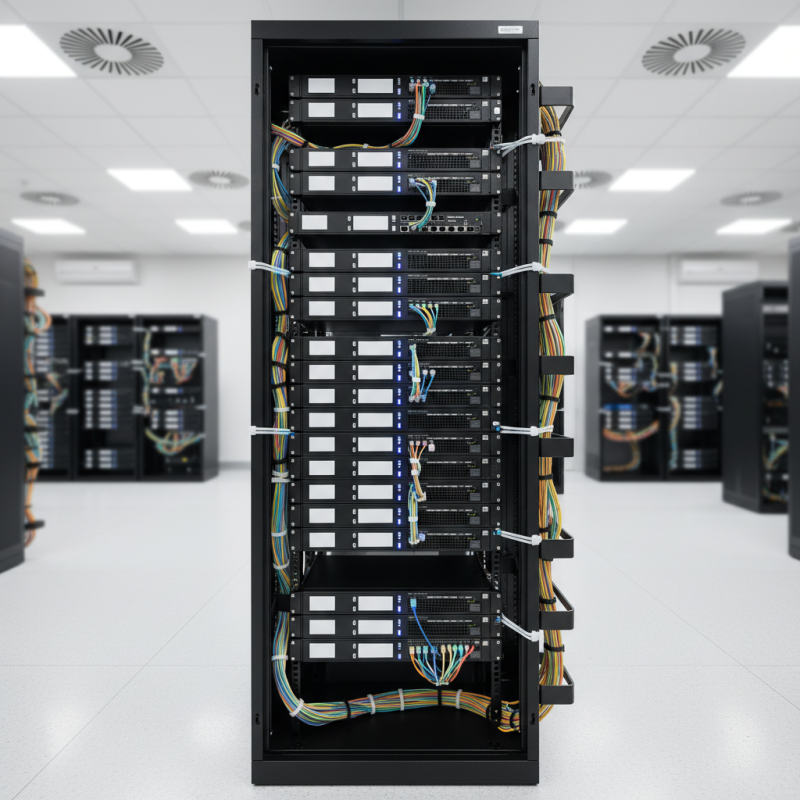
Many factors contribute to effective use of a Network Storage Rack. For instance, proper cable management improves airflow and reduces overheating. However, some users neglect these details, leading to chaos and inefficiency. It’s easy to overlook the importance of labeled equipment. Without labels, finding specific devices can become a daunting task.
Moreover, the placement of the Network Storage Rack matters. An accessible location can enhance maintenance and upgrades. Yet, many setups often suffer from poor positioning, which hinders workflow. Reflecting on these tips can lead to better network organization and reliability. A little effort in planning can go a long way in optimizing data management.
Understanding the Importance of Network Storage Racks in Data Management
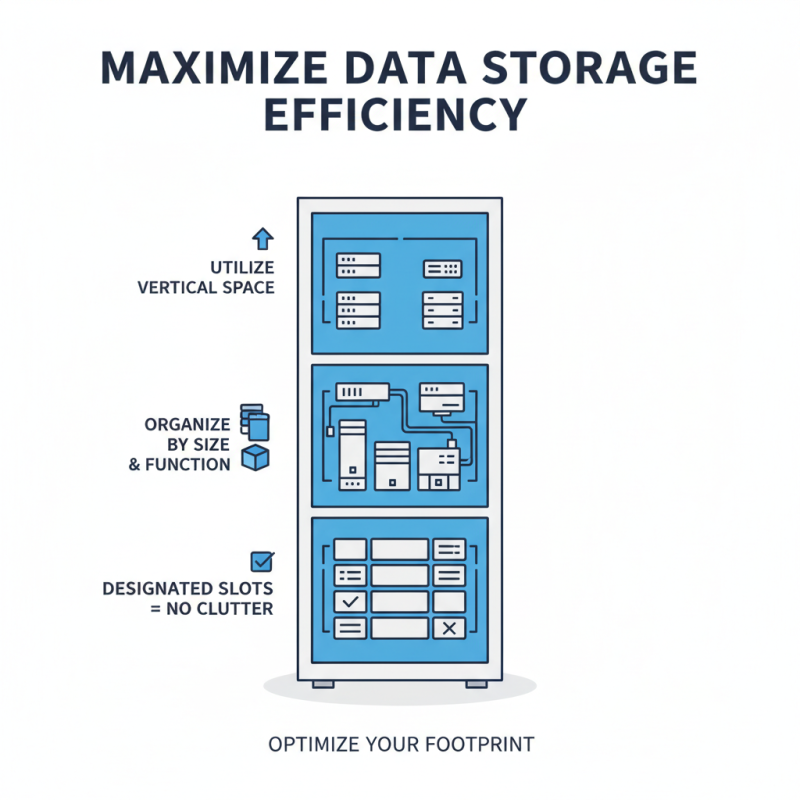
When it comes to data management, network storage racks play a vital role. They help organize and protect equipment while optimizing space. Properly arranging your servers and devices can lead to easier maintenance and quicker access. A clutter-free rack drives efficiency in any data center.
Consider the layout of your rack. Keep equipment with similar power requirements together. This practice reduces the complexity of power management. Ensure adequate airflow around each device. Overheating can lead to equipment failure, causing big headaches. Checking the temperature regularly is a good habit.
Label your cables and devices clearly. This simple step can save time during troubleshooting. It’s frustrating to trace wires in a mess. Additionally, think about future growth. Design your rack space to allow for additional equipment. Flexibility is key to managing evolving data needs. Taking a little time to plan today can save a lot of time later on.
Key Features to Consider When Choosing a Network Storage Rack
When selecting a network storage rack, several key features are essential for effective data management. The size and capacity should meet current needs while allowing for future expansion. Racks come in various heights and depths. Choose one that fits your space and allows for airflow.
Consider the material and durability of the rack. Steel is commonly used, offering strength and stability. However, it may be heavier, complicating installation. Some racks are made from lighter materials but might not support heavy equipment. Think about the trade-offs before making a choice.
Cable management is another crucial factor. Integrated management features can minimize clutter, ensuring a clean setup. Many racks include built-in cable tracks or clips. Without these, cables can become tangled. This can complicate troubleshooting and maintenance. Think twice before overlooking this detail. Proper organization improves airflow and accessibility, contributing to a more efficient data center.
Common Mistakes to Avoid in Network Storage Rack Setup and Management
Setting up a network storage rack can be tricky. One common mistake is overlooking ventilation. Proper airflow is vital to prevent overheating. Ensure your equipment has enough space around it. Cables should be managed well; tangled wires can lead to confusion and faults.
Another mistake is inadequate power management. Many forget to calculate power requirements. Overloading circuits can cause failures. Consider using power strips with surge protection to avoid damage.
Regular maintenance is also crucial. Dust can accumulate quickly. Schedule consistent cleaning to keep your equipment functioning well. Setting reminders for checks can help you stay on track. Better management leads to smoother operations.
Essential Network Storage Rack Tips for Efficient Data Management
This bar chart illustrates the common mistakes in network storage rack setups and their impact on data management efficiency.