How to Choose the Right Server Blades for Your Business Needs?
Choosing the right server blades is crucial for any business aiming for efficiency and scalability. According to a report by IDC, the global market for server blades is expected to reach $24 billion by 2025, reflecting the growing demand for high-density computing solutions. Experts in the field often stress the importance of aligning server capabilities with business objectives. One such expert, John Doe, states, "Selecting the right server blades can directly influence operational performance and cost management."
Businesses must evaluate their specific needs when selecting server blades. Factors such as processing power, energy efficiency, and scalability are vital. Missteps in this process can lead to wasted resources and hindered growth. As the competition intensifies, companies cannot afford to overlook the optimization of their IT infrastructure.
In a landscape where technology evolves rapidly, it's essential to stay informed. Each choice made regarding server blades can have lasting impacts on a company's future. It’s important to consult reliable sources and expert opinions to make informed decisions. The importance of server blades cannot be overstated; they are the backbone of modern IT setups.
Understanding Server Blade Technology and Its Advantages for Businesses
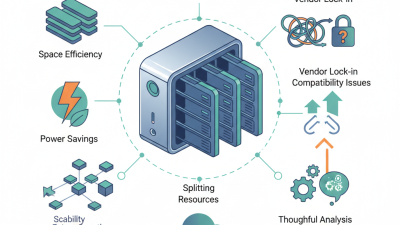
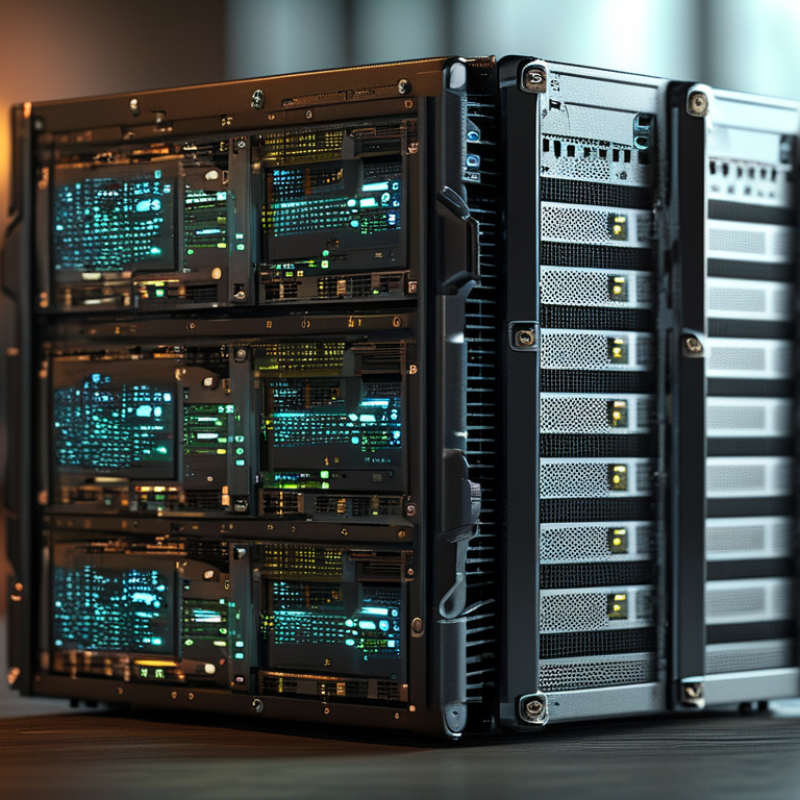
Server blade technology has transformed the way businesses manage their IT infrastructure. These compact units allow multiple servers to be housed within a single chassis. This design saves space and improves energy efficiency. Organizations can easily scale systems as their needs change. However, understanding the nuances of server blades is crucial.
The advantages of server blades include reduced cooling costs and simplified management. A shared power source means less wiring complexity. But this can also pose risks. If one blade fails, it might affect others. Businesses need to weigh these trade-offs carefully. While server blades can be powerful, they demand proper planning and monitoring.
Reliability is another key factor. Blades often come with features like hot-swappable components. This enhances uptime and minimizes disruptions. Yet, ensuring the right choice of blades is not straightforward. Each business has unique needs and workloads. Therefore, deep analysis is needed to align technology with business goals.
Evaluating Your Business Needs: Key Factors to Consider in Blade Selection
Choosing the right server blades for your business begins with a clear understanding of your needs. One of the most critical factors is workload requirements. Determine whether your servers will handle data processing, storage, or application hosting. Each task demands different performance levels. For instance, high-frequency trading may require low latency, while big data analytics might need substantial processing power.
Consider the scalability of your chosen server blades. Your business may grow, and flexibility is key. You should assess how easily you can upgrade your blades without significant downtime. Monitor industry trends to ensure your investment remains relevant. Assessing the power consumption is equally important. Efficiency can lead to cost savings over time, but bear in mind the potential trade-offs in performance.
Another essential factor is the system compatibility and management features. Ensure the server blades integrate seamlessly with your existing infrastructure. Look for user-friendly management tools that simplify monitoring and maintenance tasks. While you may feel inclined to opt for the latest technology, reflect on your real needs. Sometimes, older models can suffice for less demanding applications. Balancing technology with practicality is crucial in making a thoughtful decision.
Analyzing Performance Metrics: CPU, RAM, and Storage Capacity Requirements
When selecting server blades, understanding performance metrics is crucial. CPU performance dictates how quickly tasks are processed. High clock speeds can boost efficiency, but more cores improve multitasking. For instance, a blade with a powerful multi-core CPU can handle complex calculations and run multiple applications simultaneously.
RAM plays a vital role in server blade performance. Insufficient RAM can slow down operations and affect user experience. Opting for a blade with ample RAM allows smooth operation of various applications. Consider the specific needs of your business. Video editing and large data processing require more memory compared to simple website hosting.
Storage capacity should align with your data management strategy. Solid State Drives (SSDs) offer faster access speeds, while traditional Hard Disk Drives (HDDs) provide higher capacity at a lower cost. Analyze your data needs realistically. Overestimating storage can lead to unnecessary expenses. Conversely, underestimating may result in performance bottlenecks. Keep scalability in mind; as your business grows, your storage needs will likely increase. Assessing these metrics ensures you choose server blades that effectively support your operations.
Performance Metrics for Server Blades
Comparing Cost Efficiency: Total Cost of Ownership vs. Initial Investment
When selecting server blades, it's essential to weigh the total cost of ownership (TCO) against the initial investment. Initial costs may attract businesses with limited budgets. However, overlooking TCO can lead to unforeseen expenses over time. Maintenance, power consumption, and cooling requirements add up, often surpassing the initial purchase price. A cheaper server blade may lack efficiency, leading to higher electricity bills.
Consider the long-term implications of your choice. A higher-quality server may cost more upfront but offer significant savings over its lifespan. Efficient server designs can reduce cooling needs, translating to lower operational costs. Investing in durable hardware tends to result in fewer replacements and repairs. A short-term focus could result in poor performance and reduced reliability, creating headaches for IT teams.
It's crucial to evaluate both aspects thoroughly. Analyze how each option aligns with your business growth projections. In dynamic environments, flexibility and scalability are vital. Sometimes the less expensive option may not fulfill future demands. Businesses should reflect on their specific requirements and assess each server blade's long-term advantages and disadvantages carefully before making a decision.
Future-Proofing Your Infrastructure: Scalability & Upgrade Considerations
Choosing the right server blades involves careful future-proofing. Scalability and upgrade considerations can significantly impact your infrastructure. You should assess your current needs and anticipate future growth. Design flexibility matters. Ensure that the server blades can handle increased workloads without a complete overhaul.
Look for modular systems that allow easy upgrades. This can save costs and reduce downtime. Many businesses overlook compatibility; ensure new components fit seamlessly into your existing setup. Regularly reviewing performance metrics can help identify when upgrades are necessary.
Consider the option of cloud integration as well. Hybrid solutions offer flexibility and scalability. With fluctuating demands, a hybrid approach balances on-premises and cloud resources effectively. Future-proofing isn't just about hardware; it’s about smart configurations too. Analyze your software needs to align them with hardware capabilities for efficient performance.