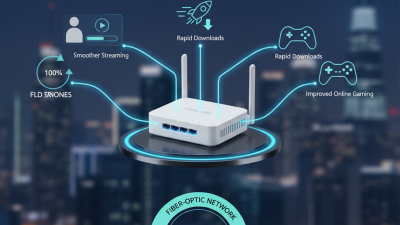
How to Choose the Right Router Adapter for Your Networking Needs?
Choosing the right Router Adapter can significantly impact your home or office network performance. Industry expert John Smith, a networking consultant, once stated, "A good Router Adapter is the backbone of a reliable network." With numerous options available, selecting the most suitable one is often overwhelming.
A Router Adapter connects your devices to the internet. It translates data into a format that your router can understand. One must consider compatibility, speed, and security features. A mismatched Router Adapter can lead to connectivity issues and reduced speeds.
It's essential to evaluate your specific networking needs. Are you gaming? Streaming? Working from home? Each scenario may require a different type of adapter. Making the right choice isn’t always straightforward. Reflect on your priorities. A poorly chosen Router Adapter could lead to unforeseen frustrations and inefficiencies in your daily tasks.
Understanding the Basics of Router Adapters and Their Functions
Router adapters play a crucial role in networking. They connect devices to the internet and manage data flow. Understanding their basics can help you make informed choices. A study by Statista reveals that the demand for home networking devices surged by 11% in 2023. This highlights the importance of selecting the right router adapter for optimal performance.
When choosing a router adapter, consider the interface type. Some use USB, while others link directly via Ethernet. Compatibility is key; not all devices support every adapter. Data from the International Telecommunication Union shows that many homes exceed ten connected devices. Selecting an adapter that handles multiple connections is wise.
**Tip:** Always check the specifications before buying. Compatibility can save you time and headaches later.
Another aspect is speed. Different adapters offer different speeds. A report from the Global Market Insights indicates that wireless standards, like Wi-Fi 6, can support faster data rates. Upgrading to a newer adapter may alleviate slow connections.
**Tip:** Upgrade if your adapter is over five years old. Older models may not support newer standards.
Being aware of your specific needs can guide you toward the right choice. Assess your devices and their connectivity requirements. This avoids potential regret after making a purchase.
How to Choose the Right Router Adapter for Your Networking Needs?
| Feature |
Importance Level |
Examples |
| Voltage Compatibility |
High |
5V, 12V, 24V |
| Current Rating |
High |
1A, 2A, 3A |
| Connector Type |
Medium |
Barrel, USB |
| Size and Portability |
Medium |
Compact, Standard |
| Type of Router |
High |
Wireless, Wired |
| Price Range |
Low to High |
$10 - $50 |
Types of Router Adapters: What You Need to Know
When choosing a router adapter, understanding the types available is crucial. There are primarily three types: wired, wireless, and powerline adapters.
Wired adapters connect directly to your router with an Ethernet cable. This setup is often reliable and provides stable speeds. However, it can clutter spaces and limit mobility.
Wireless adapters offer great convenience.
They connect to your router via Wi-Fi, allowing devices to be placed anywhere. Yet, these may experience interference from walls or other devices. It’s essential to assess your home layout before opting for this type. Powerline adapters use your home's electrical wiring to deliver internet connectivity. They can be beneficial in reaching distant rooms but depend on the quality of the wiring.
While each type has its merits, they also have drawbacks. Many users find it challenging to choose the right one. A poor selection can lead to dropped connections or slow speeds. Consider your specific needs and the potential trade-offs carefully. It might take some trial and error to discover the best fit for you.
Key Factors to Consider When Choosing a Router Adapter
When choosing a router adapter, several key factors come into play. Start with compatibility. Ensure the adapter fits your router type. Incompatible devices can lead to frustrating connectivity issues. It’s hard to determine the best fit at times. Researching specifications can be a tedious process.
Consider the speed ratings. Look for adapters that support high-speed connections. Slower adapters can bottleneck your network. Check the bandwidth requirements of your devices. Sometimes, the higher price tags reflect better performance. However, it doesn't always guarantee quality.
Portability is another essential factor. If you travel often, a compact adapter is beneficial. Consider an adapter with good durability too. A flimsy design may not withstand regular use. Additionally, think about future needs. An adapter that works today might not serve your needs later. Balancing current specs with future-proof options can be challenging. Always weigh the pros and cons carefully.
Router Adapter Selection - Key Factors Breakdown
Compatibility: Ensuring Your Router and Adapter Work Together
Compatibility is crucial when selecting a router adapter. Your router and adapter must work together seamlessly. Before purchasing, check the specifications of both devices. Look for the same wireless standards. For instance, if your router supports Wi-Fi 6, choose an adapter that does too. This ensures optimal performance.
Tips: Always verify if the adapter supports the same frequency bands. Many routers operate on 2.4GHz and 5GHz. An adapter that only works on one might limit your network speed.
Additionally, consider the protocol versions. If your router uses WPA3 for security, ensure your adapter is compatible. Otherwise, you might expose your network to security risks.
Sometimes, you may find a highly rated adapter that seems perfect. Yet, it may not fit your router’s needs. Read user reviews carefully. They often highlight compatibility issues not mentioned in product details.
Tips: Don’t rush your choice. Take time to review all specifications. Compare options based on your specific networking needs. Assess performance trade-offs if necessary. Making the right choice takes effort, but it pays off in better connectivity.
Tips for Installing and Configuring Your Router Adapter for Optimal Use
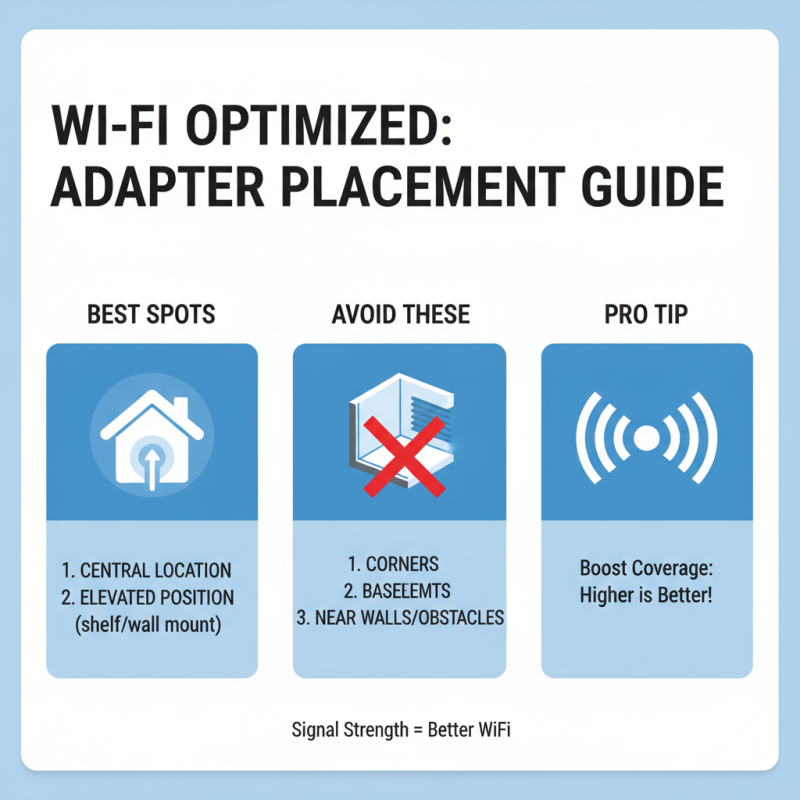
When installing your router adapter, placement matters. A central location often works best. Avoid corners and basements. Walls can obstruct signals. If possible, elevate the adapter. This small change can improve Wi-Fi coverage.
Next, consider the configuration. Access your router’s settings through a web browser. Look for options like security settings and network name. Changing the default password is crucial. Use a mix of letters, numbers, and symbols to enhance security. Don’t ignore firmware updates either. They fix bugs and improve performance.
Lastly, test your setup regularly. Monitoring speeds helps identify issues. If speeds drop unexpectedly, it may be time to adjust. Sometimes, simply rebooting the router can resolve minor problems. Stay proactive in managing your network for the best experience.