How to Choose the Best Server Center for Your Business Needs?
Choosing the right Server Center for your business is crucial. According to John Smith, an expert in data management, "The right Server Center can redefine your business operations." Selecting a Server Center impacts your data management, storage, and efficiency.
Every business has unique demands. Some require high security for sensitive data. Others might prioritize speed and reliability. It’s not simply about picking the biggest provider. Researching potential Server Centers matters. Look into their services and uptime guarantees.
Consider your future needs as well. As your business grows, so do your data requirements. A Server Center that fits today might not support tomorrow’s challenges. Evaluate scalability options carefully. Ensure the chosen Server Center aligns with your long-term vision to avoid costly mistakes.
Understanding Your Business Needs for Server Center Selection
Choosing the right server center is crucial for your business. Understanding your specific needs is the first step. Consider the scale of your operations. If you experience rapid growth, scalability is essential. Look for a server center that can easily accommodate additional resources without significant delays.
**Tip:** Identify the peak times your business experiences heavier loads. This will help you choose a center that provides enough bandwidth and speed during those periods.
Security is another vital factor. Evaluate the center's security protocols. A reliable partner needs to offer robust data protection measures. Think about the sensitivity of your data. Data breaches can damage your reputation and finances.
**Tip:** Don't hesitate to ask about their data backup and recovery systems. Knowing they are prepared for emergencies is crucial.
Finally, customer support goes a long way. Inquire about the availability of their support team. Your business runs on time; downtime can be costly. Partnering with a center that offers 24/7 support is often beneficial.
**Tip:** Test their response times before committing. Quick assistance can make a significant difference when issues arise.
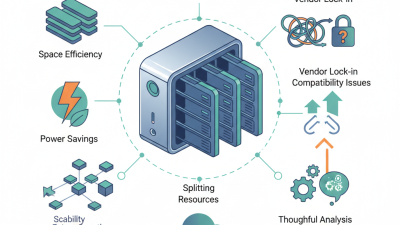
Server Center Selection Criteria for Businesses
Evaluating Different Types of Server Centers and Their Features
When evaluating different types of server centers, consider your business's specific needs. Each type offers unique features and levels of performance. For example, cloud server centers provide flexibility and scalability. They allow businesses to adjust resources easily. This is beneficial if your company experiences fluctuating demands. However, they may not offer the same level of control as dedicated servers.
Dedicated server centers offer robust performance. They provide dedicated resources for high-traffic websites and applications. This means your business can operate smoothly, even during peak times. But with this power comes higher costs. You might find yourself reflecting on whether the investment aligns with your budget.
Tips: Always assess your growth projections. Choose a server center that can grow with your business. Evaluate the level of customer support provided. Good support can save you time and frustration. Make sure you understand all fees, not just the headline prices. Hidden costs can derail your budgeting plans.
Key Factors to Consider When Choosing a Server Center
When selecting a server center for your business, consider several key factors. Start with your specific needs.
Do you require high storage capacity or advanced security features?
Each business has unique demands that influence your choice. Assess your data protection needs thoroughly.
A robust security system is not optional; it's essential.
Failure to prioritize security can lead to devastating consequences.
Tips: Identify primary requirements before exploring options. Create a list based on current and future needs.
Evaluate the server center’s infrastructure. Check for redundancy and failover systems. Downtime can harm your reputation.
Next, investigate the technical support offered.
Is support available 24/7?
Timely assistance can save your business from significant issues. A server center's response time reflects its reliability.
Delayed support can lead to data loss or service interruptions.
Don't underestimate the importance of reliable customer service.
Tips: Test customer support before committing. Reach out with questions and gauge their responsiveness.
Finally, consider the server center's compliance with industry standards. This ensures that your data is handled properly.
Non-compliance could lead to legal issues.
Always prioritize centers that meet regulatory requirements.
Assessing Financial Implications of Server Center Options
Choosing the right server center involves significant financial considerations. According to a recent industry report, 30% of small businesses underestimate operational costs associated with server centers. This oversight can lead to budget shortfalls and operational disruptions. Analyzing costs involves more than just initial setup fees. Ongoing expenses like maintenance, energy consumption, and upgrades can accumulate rapidly.
When evaluating options, businesses should consider cloud versus on-premises solutions. A study from the IT Research Institute indicates that cloud services can reduce infrastructure costs by up to 40%. This can be crucial for startups or businesses with limited funds. However, the perceived flexibility of cloud servers must be assessed alongside security implications. High-profile data breaches remind us that cost-saving measures should never compromise data safety.
Moreover, the choice of server location affects pricing. For example, a facility in a high-rent area may present higher costs. But it could also offer reduced latency and better connectivity. Analyzing your specific needs can help balance these trade-offs wisely. While making a decision, it's essential to reflect on long-term strategies, not just immediate savings.
Ensuring Compliance and Security Standards in Your Choice
Choosing a server center involves considering compliance and security standards. A recent report from the Cybersecurity and Infrastructure Security Agency highlighted that 85% of data breaches are due to human error. This statistic emphasizes the need for robust security measures. When selecting a server center, ensure that they adhere to industry standards like ISO 27001 and GDPR.
Tips: Verify the server center's certifications. This verification can prevent costly compliance violations. Look for transparency in their security protocols. A reputable center will provide detailed documentation.
Security measures should extend beyond mere certifications. Regular audits and staff training are crucial. Research indicates that organizations that conduct frequent security training reduce incidents by 70%. In addition, assess their disaster recovery plans. An effective plan demonstrates a commitment to safeguarding data. However, some centers may lack adequate resources for timely recovery, leading to potential disruptions.
Tips: Ask about their incident response time. A quick response can mitigate severe impacts. Always ensure your provider has a proven track record in handling breaches. This factor can make all the difference in your ongoing operations.
How to Choose the Best Server Center for Your Business Needs? - Ensuring Compliance and Security Standards in Your Choice
| Criteria |
Description |
Importance Level |
Compliance Standards |
| Location |
Proximity to your business can affect latency and uptime. |
High |
GDPR, CCPA |
| Security Features |
Firewalls, DDoS protection, and physical security measures. |
Critical |
ISO 27001, PCI DSS |
| Scalability |
Ability to scale resources up or down as needed. |
Moderate |
N/A |
| Support Services |
24/7 technical support availability. |
High |
N/A |
| Backup Solutions |
Regular data backups and disaster recovery options. |
Critical |
NIST, ISO |
| Cost |
Overall pricing model (pay-as-you-go, subscription). |
Moderate |
N/A |