How to Choose the Best Data Center Server for Your Needs?
Choosing the right Data Center Server is crucial for any organization. According to a recent report by Gartner, nearly 90% of companies prioritize server reliability and performance. However, many struggle with their choices. This often leads to wasted resources and unexpected downtime.
A suitable Data Center Server can improve efficiency and scalability. For instance, a Dell EMC study shows that businesses can reduce operational costs by 25% with the right server configuration. Yet, stakeholders must remember that factors like workload and future growth are essential in making this decision. Decisions made hastily can result in suboptimal performance.
Organizations should carefully evaluate their specific needs before investing. A comprehensive review of hardware options and support services can uncover potential pitfalls. As per IDC, 40% of organizations regret their server choices due to lack of planning. Reflecting on these considerations will streamline your data strategy and enhance overall productivity.

Factors to Consider When Selecting a Data Center Server
Choosing the right data center server requires careful consideration. One key factor is performance. According to a recent industry report, nearly 70% of organizations prioritize server speed and efficiency. Proper benchmarking can help identify which servers meet the performance needed for critical applications.
Another important factor is scalability. As business needs grow, so does the need for server capability. A survey indicated that 58% of IT professionals face challenges with scaling their existing infrastructure. Often, organizations overlook future growth while making current decisions. Flexibility in server configurations can enhance the potential for expansion.
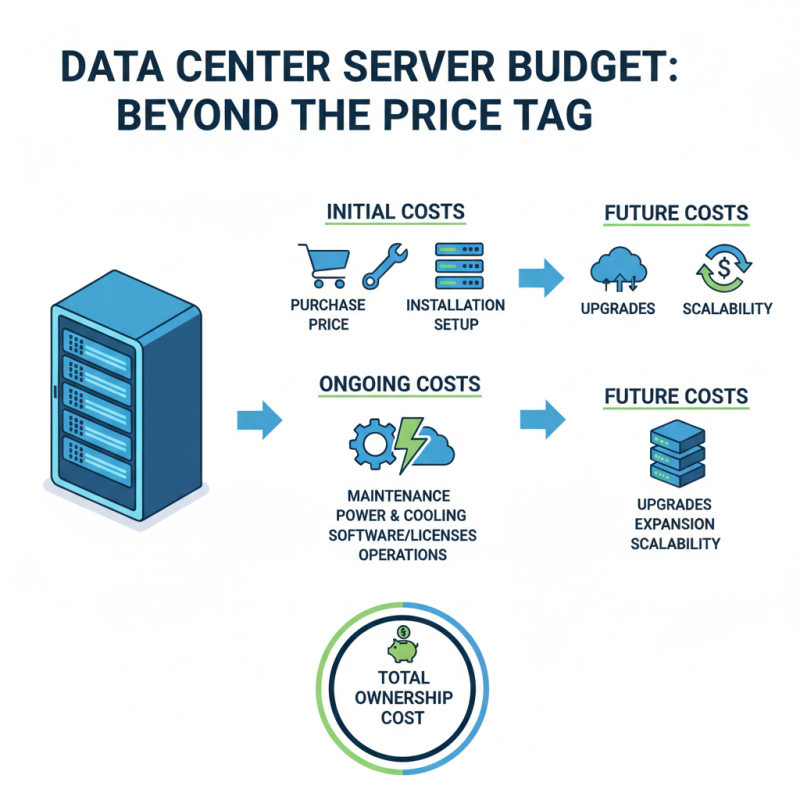
Cost is always a concern. Yet, the initial purchase price is just part of the equation. Maintenance costs can accumulate over time. A study found that 80% of total costs arise from operational expenses after deployment. It’s vital to assess long-term financial commitments. Ignoring these insights can lead to overspending and inefficiencies in the long run.
How to Choose the Best Data Center Server for Your Needs?
| Factor |
Description |
Importance Rating (1-10) |
| Performance |
Evaluate CPU, RAM, and storage speed to support workloads |
9 |
| Scalability |
Ensure the server can grow with your business needs |
8 |
| Cost |
Consider both initial and ongoing operational costs |
7 |
| Energy Efficiency |
Look for energy-efficient hardware to reduce costs |
8 |
| Reliability |
Select servers with high uptime and warranty |
9 |
| Support and Maintenance |
Evaluate vendor support options and maintenance services |
7 |
| Security Features |
Implement security measures like firewalls and encryption |
10 |
Understanding Different Server Types: Rack, Blade, and Tower Servers
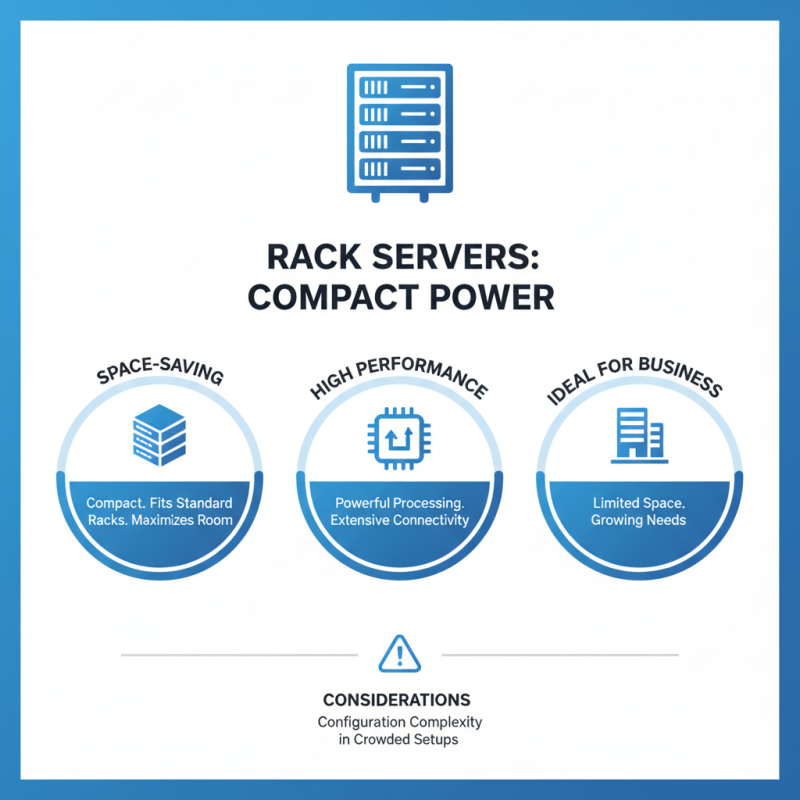
When choosing a data center server, understanding the different types of servers is crucial. Rack servers are compact and efficient. They fit into standard racks, maximizing space. This type is ideal for businesses with limited room. They offer powerful performance and many connectivity options. However, they can become complex in a crowded configuration.
Blade servers save even more space. They consist of multiple blades housed in a single chassis. These servers share power supplies and cooling, making them energy-efficient. They are great for tasks that require high processing power. However, managing blade servers may require more expertise.
Tower servers resemble traditional PCs. They are easy to set up and maintain. These servers are suitable for small businesses or remote offices. Yet, they occupy more physical space. They may struggle with scalability compared to rack and blade servers. Each type has its pros and cons, demanding careful consideration before making a decision.
Evaluating Performance Metrics: CPU, RAM, and Storage Options
Choosing the right data center server can be complex. Key performance metrics include CPU, RAM, and storage options. Each component plays a critical role in overall system efficiency. Evaluating these metrics requires careful consideration of your specific needs.
CPU performance is crucial. It determines how quickly tasks are processed. A higher core count usually means better multitasking. However, speeds can vary. You might find a lower core count with higher clock speeds performs better for your workloads. This is a trade-off many face.
RAM is equally important. It affects how much data can be handled at once. More RAM allows for smoother operations. Yet, more isn't always better if you don't utilize it. Lastly, consider storage options. SSDs offer speed, while HDDs are more cost-effective for large data sets. Balancing these features is essential, yet not always straightforward. Sometimes, you must prioritize based on immediate needs versus future growth.
Assessing Scalability and Future Growth Needs in Server Selection
Selecting the right server is crucial for your data center. A critical factor is scalability. As your business grows, your server needs may evolve. Choosing a server that can expand with you is essential. It’s not just about current needs; think about future demands. This will save you time and resources in the long run.
When assessing scalability, consider your workload. Will it increase steadily? Or will you face sudden spikes? Understanding this helps you choose the right server. Look for options that allow upgrades. Modular designs often provide flexibility. They can accommodate additional storage or processing power easily.
Tips: Always evaluate your growth strategy. Align it with your server's potential. Involve your IT team in the decision. Their insights are valuable. Watch out for compatibility issues when scaling. Not all systems work well together. Also, document your current use and future predictions. This will guide your purchase towards longevity.
Cost Analysis: Budgeting for Initial Investment and Ongoing Costs
When budgeting for a data center server, consider both initial and ongoing costs. The purchase price is only the beginning. Additional expenses can add up quickly. Think about installation fees, maintenance costs, and potential upgrades over time. You might need several servers. If your needs grow, that’s more money spent.
Assess energy efficiency, too. A more efficient server might cost more upfront but save you money later. Look into cooling solutions, as they can increase your electric bill. Over time, this can add significant costs. Sometimes, one server seems perfect, but you will need more cooling power than expected.
Don’t forget about support and management. Hiring specialists can add to your budget. Hidden costs can be overwhelming. Make sure to plan for software licenses, as these are crucial. A seemingly low-cost server may become expensive when you add up the total cost of ownership. Be realistic about what you can afford. This analysis is often more complex than it appears.