Top 10 Network Hard Drive Suppliers in China?
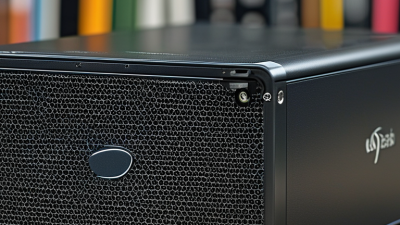
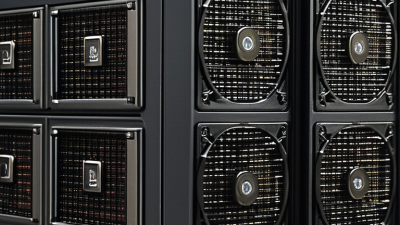
A Network Hard Drive is more than a disk connected to a network. It is a storage system shaped by capacity, access speed, redundancy, and management software. For businesses, the right supplier can affect daily file access, backup routines, and recovery after a drive failure. The differences are visible on the rack: drive bays, cooling fans, network ports, and status lights all hint at how a system is designed to operate.
The scale of demand is substantial. IDC’s Data Age 2025 study, sponsored by Seagate, forecast that the global datasphere would grow from 33 zettabytes in 2018 to 175 zettabytes by 2025. This was a forecast, not a measurement of current stored data. It still illustrates why dependable, expandable storage matters. Tom Coughlin, president of Coughlin Associates and a storage-industry analyst, has written extensively about storage markets and technologies. His analysis highlights a practical point: storage choices must match workload needs, not capacity alone. That distinction matters when comparing suppliers.
This guide examines ten Chinese suppliers, including their product focus, technical capabilities, and support models. Company claims should be checked against product specifications, independent testing, and service terms. A polished brochure is not enough. Network Hard Drive systems differ in drive compatibility, RAID options, network speeds, and warranty coverage. Buyers should also consider how easily a system can expand as files accumulate. Some details are easy to overlook. A careful comparison can reveal them.

What Are Network Hard Drives and How Are They Used?
Network hard drives are usually hard disks or solid-state drives inside a network-attached storage unit. Instead of connecting directly to one computer, the unit plugs into a router or network switch. Computers, phones, and other authorized devices can access shared files over the local network.
That matters.
A household might store family photos, video, and document backups in one place. In a small office, staff can open shared project folders without passing USB drives around. Access may also be available remotely, depending on the device’s settings and the network configuration. A network drive does not automatically make files safe. Set individual accounts, use strong passwords, and keep a separate backup, ideally on another device or at another location. A single drive failure can still interrupt access or lose data.
Performance depends on the drive, network speed, and number of people using it. Large video files may load slowly over weak Wi-Fi, even when the storage unit is capable. Wired connections can help. It is also worth checking how storage capacity is reported and whether redundancy protects against a drive failure; redundancy is not a backup. These distinctions are easy to overlook. I would not assume every network drive is simple to configure, either—permissions and remote access can take careful setup.
How Is China’s Network Storage Supplier Market Structured?
How Is China’s Network Storage Supplier Market Structured?
China’s network-storage supplier market is a layered ecosystem, not a simple list of drive makers. Upstream firms supply hard disks, solid-state drives, controllers, network cards, enclosures, and firmware. Equipment makers combine these parts into NAS, SAN, and software-defined storage systems. Integrators and service providers then configure them for offices, factories, and data centers.
Demand provides useful context, but it is not the same as supplier revenue. The China Academy of Information and Communications Technology reported that China’s cloud-computing market reached RMB 616.5 billion in 2023, in its Cloud Computing Development White Paper (2024). That figure signals a growing need for storage infrastructure, but it does not measure network-storage sales alone. Buyers typically compare capacity, workload performance, compatibility, service coverage, and expansion costs. Smaller suppliers may focus on specialized deployments; larger providers often compete through complete systems and support. The boundary is not always clear.
Tips: Check the full stack. Ask who provides drives, software updates, and on-site maintenance. Confirm expansion options with a sample workload, not just a capacity sheet. A low purchase price can hide replacement or integration costs.
What Criteria Help Evaluate Network Hard Drive Suppliers?
Choosing a network hard drive supplier means checking more than quoted capacity and price. Confirm that the drives suit your NAS or storage system, including interface, workload rating, and supported capacity. Ask for technical sheets and sample units. A brief test can reveal slow rebuilds, unusual vibration, or excess heat in a crowded enclosure. Details matter.
Review quality controls and traceability. A reliable supplier should explain how drives are tested, how batches are identified, and what warranty support covers. Ask whether firmware updates and replacement units are available, and get delivery times in writing. For larger orders, compare sample results with the supplier’s stated specifications. Ask for proof. A polished sales reply is not enough. I would also check how quickly technical staff answer a specific question, such as expected performance under continuous multi-user access. It is easy to overvalue a low price; yet a cheaper drive may cost more if replacements arrive late. Some details remain difficult to verify before purchase, so record assumptions and review them after installation.
Who Are the Top 10 Network Hard Drive Suppliers in China?
Who are the top 10 network hard drive suppliers in China? A trustworthy shortlist should compare ten qualified candidates, not rely on sales claims alone. Check documented supply channels, NAS compatibility, warranty terms, serial-number traceability, and replacement stock. Backblaze’s 2024 Drive Stats dataset tracked more than 300,000 hard drives and published operational failure data. It offers useful reliability context, though its fleet results do not directly rank Chinese suppliers.
Tips: Ask for a written model list, warranty policy, and sample unit. Test noise, temperature, and sustained transfers in your own NAS. Small details matter.
The strongest candidates usually demonstrate stable sourcing, clear technical support, and consistent delivery records. Ask whether quoted drives are new, sealed units, and request batch-level documentation. Compare delivery times and return procedures in writing. A low price is not enough. This ranking remains imperfect without verified factory audits and comparable after-sales data; buyers should treat supplier claims as claims until checked.
Network Storage in China: Theoretical Ethernet Throughput
A practical comparison of common network link speeds for NAS and network hard-drive setups. The figures convert the nominal Ethernet rate to decimal megabytes per second (1 byte = 8 bits); actual transfer speeds are lower because of protocol overhead and hardware limits. This chart compares network standards, not supplier rankings.
How Can Buyers Compare Suppliers for Different Needs?
Buyers should compare network hard-drive suppliers against workload, not headline capacity. A small office storing documents needs simple administration, quiet operation, and predictable recovery. Video teams need sustained write speeds and enough drive bays for growth. Virtualization workloads need stronger random-read performance, memory, and network throughput. IDC’s 2018 Data Age 2025 study projected 175 zettabytes of global data by 2025. That forecast signals rising storage pressure, but it does not mean every buyer needs a large system. Retention rules and access patterns matter more.
Ask suppliers for tested throughput with your drive count and RAID setup, not just peak interface speeds. Check drive compatibility lists, warranty terms, replacement lead times, firmware update records, and support response hours. Backblaze’s 2023 drive statistics reported a 1.70% annualized failure rate across 268,665 HDDs in its fleet. That is useful context, not a guarantee for another supplier’s products. Fleet conditions differ. Request sample test logs and clarify who handles failed-drive diagnosis.
Tips: Send each supplier the same workload, user count, and retention period. Compare written quotes line by line. Ask for a pilot unit, then test transfers with real files. Small details matter. A vague support promise should prompt follow-up questions.