2026 Best Server Blades for High Performance and Efficiency?
In the ever-evolving world of IT infrastructure, the demand for high performance and efficiency in server technology is paramount. Experts like Dr. Alan Green, a leading figure in the Server Blades industry, emphasize that “The right server blades can revolutionize data center operations.” This statement resonates with many IT professionals today.
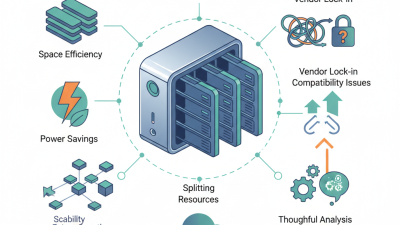
Server blades offer a compact design and modular approach to computing. They can significantly increase power efficiency and space utilization. Many organizations seek to optimize their server blades to handle demanding applications while reducing overall costs. The balance between performance and efficiency is critical.
However, not all server blades are created equal. Choosing the best ones requires careful consideration. Some options may lack in scalability or reliability, leading to potential setbacks. Reflecting on these factors helps organizations make informed decisions. The future of server technology heavily relies on selecting innovative, high-performance server blades that can adapt to changing needs.
Overview of Server Blades and Their Importance in Data Centers
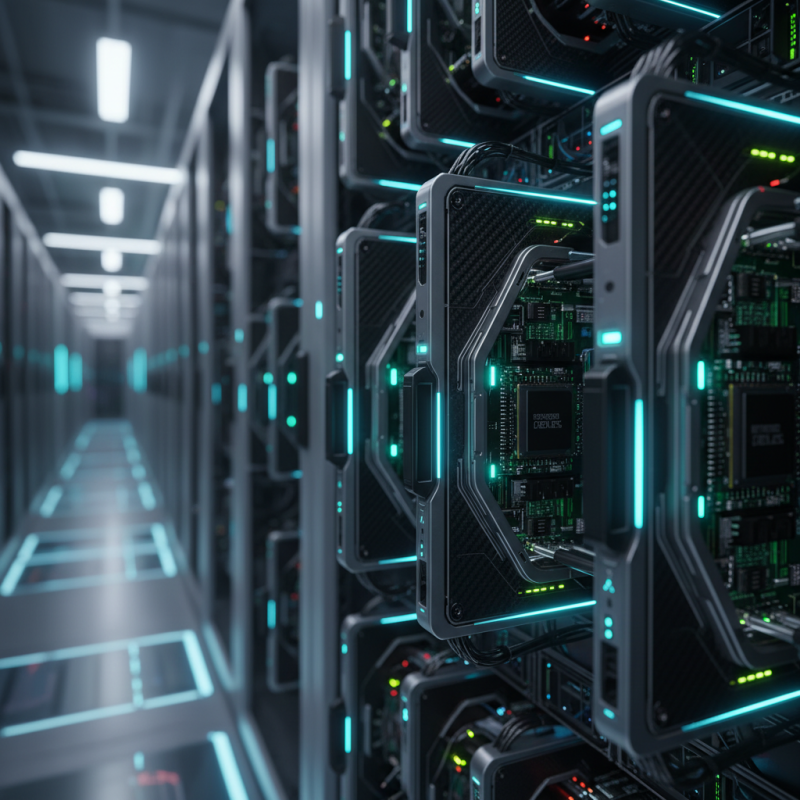
Server blades are compact computing units designed to maximize space and efficiency within data centers. They fit into a chassis and share resources like power supplies and cooling systems. This design reduces costs and physical space requirements. However, this also means that a failure in one blade can impact the entire system. It's a balancing act of efficiency versus reliability.
The importance of server blades cannot be overstated. Data centers house vast amounts of data and require robust infrastructure. Server blades enable high performance while allowing for easy scalability. As companies grow, adding more blades is straightforward. Yet, this scalability can lead to complexity in management and oversight.
Efficient cooling and power management are crucial. Poor choice in these areas may lead to overheating or energy waste. Each data center is different, and what works for one may not be ideal for another. Regular assessments and adjustments are necessary. Despite the many advantages, there are challenges that require ongoing reflection and improvement.
2026 Best Server Blades for High Performance and Efficiency
| Model |
Processor |
RAM |
Storage |
Power Efficiency |
Network Support |
| Blade A |
Intel Xeon Scalable |
32 GB |
2TB SSD |
95% Efficiency |
10GbE, Fibre Channel |
| Blade B |
AMD EPYC |
64 GB |
4TB HDD |
90% Efficiency |
40GbE, InfiniBand |
| Blade C |
Intel Xeon W |
128 GB |
1TB NVMe |
92% Efficiency |
10GbE, Ethernet |
| Blade D |
ARM Cortex |
32 GB |
2TB HDD |
85% Efficiency |
1GbE, Wireless |
Key Features to Consider for High-Performance Server Blades
When selecting server blades for high performance and efficiency, several key features must be analyzed.
Cooling mechanisms are crucial. Efficient heat dissipation enhances performance. Well-designed airflow patterns prevent overheating during intense tasks.
A server blade with advanced cooling technology can significantly boost reliability.
The computing power is another essential aspect. Consider architecture and core count. A balance between high clock speeds and multitasking capabilities is vital.
Memory capacity is also important. More RAM allows for smoother operations under heavy workloads. Even the best server blades can falter if memory is insufficient.
Power efficiency cannot be overlooked. Look for models with energy-saving features. They often lead to lower operational costs.
However, not all manufacturers provide transparent power consumption metrics. This leads to confusion. Always double-check the specifications to ensure they meet your needs.
Making informed choices is key to maximizing server blade performance and efficiency.
Top Brands and Models for 2026: A Comparative Analysis
In 2026, the demand for server blades continues to rise. Businesses require high performance and energy efficiency. This year's market offers diverse models, each with distinct features. Some excel in processing power, while others focus on energy savings. The choice depends on specific business needs.
A close examination reveals surprising trade-offs. High-performance models often consume more energy. Conversely, energy-efficient blades may compromise speed. Companies must weigh these aspects carefully. Performance benchmarks are essential but should not overshadow efficiency metrics.
Budget considerations also come into play. Many models are priced competitively, yet their long-term operational costs can vary significantly. Users may find that investing in a slightly more expensive model pays off with better energy savings. Such decisions often require extensive research and reflection.
Efficiency Metrics: Evaluating Power Consumption and Performance
When evaluating server blades for high performance, efficiency metrics are crucial. Power consumption plays a significant role in the overall operational cost. According to a recent report by a leading IT research firm, server power utilization can account for up to 30% of a company’s total energy expenses. This emphasizes the need to focus on energy-efficient designs and components.
High-performance server blades often boast impressive processing power. However, without proper energy efficiency, they can lead to increased costs. A comprehensive evaluation of various designs shows that blades with optimized cooling solutions can reduce power consumption by up to 25%. Yet, many organizations still overlook these critical features in their assessments. This gap highlights a need for a more thorough review process that weighs performance alongside energy efficiency.
In addition to power usage, performance metrics like processing throughput and latency are equally vital. It's common for enterprises to focus on raw performance numbers. But if these systems are not energy efficient, the total cost of ownership increases significantly. Reports indicate that inefficient servers can lead to higher operational burdens over time, straining budgets and resources. Thus, balancing power consumption with peak performance remains a pressing challenge for many IT departments.
Future Trends: Innovations in Server Blade Technology for Enhanced Efficiency
The server blade market is evolving rapidly. Engineers are exploring various innovations. These innovations aim to enhance
performance and energy efficiency. One major trend
is the use of advanced cooling technologies. Liquid cooling systems are gaining traction. They outperform traditional air cooling,
reducing energy consumption significantly.
Another exciting development is the integration of artificial intelligence.
AI helps optimize resource allocation. It predicts workloads, enhancing system responsiveness. These enhancements lead to
higher efficiency levels. However, this shift also poses challenges.
Not all systems are compatible with AI solutions. Organizations must invest in training and infrastructure, which can be
costly.
Sustainability remains a hot topic in server architecture. Manufacturers are exploring recyclable materials
for blade design. This approach aims to reduce waste in data centers. Yet, the balance between
performance and sustainability is complex.
Innovating responsibly requires careful consideration. As the landscape changes, we must reflect on our impacts on the environment.