How to Choose the Best Server Blades for Your Business Needs in 2026
In the fast-evolving landscape of IT infrastructure, choosing the right Server Blades is crucial for business efficiency. Industry expert John Doe, a veteran in server technology, once said, "The right Server Blades can transform your data center's performance." As we approach 2026, businesses must navigate the complexities of selecting the best solutions to fit their needs.
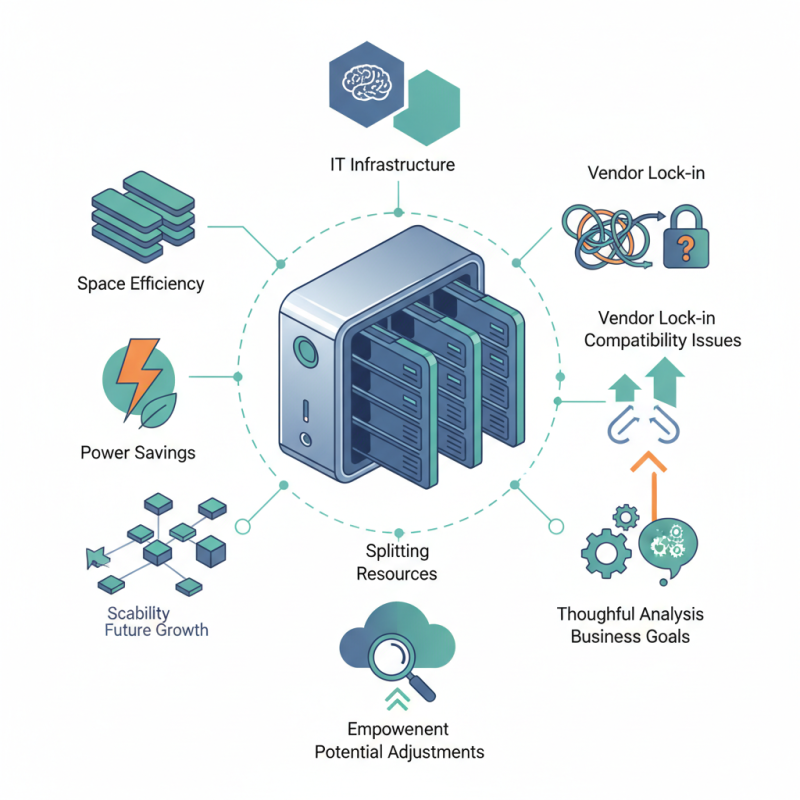
Server Blades offer unique benefits, such as space efficiency and power savings. However, the array of options can be overwhelming. Will your choice support future growth? Consideration of scalability is essential. Be mindful of the potential pitfalls, like vendor lock-in and compatibility issues. The ideal Server Blades should not only meet current requirements but also adapt to changing demands.
In an ever-competitive market, splitting resources between multiple Server Blades might seem tempting. However, this approach may lead to unnecessary complexities. A thoughtful analysis of your business goals and technical needs will illuminate the path forward. Ultimately, the best Server Blades will empower your organization while allowing room for reflection and potential adjustments.
Understanding Server Blades and Their Importance in Modern Businesses
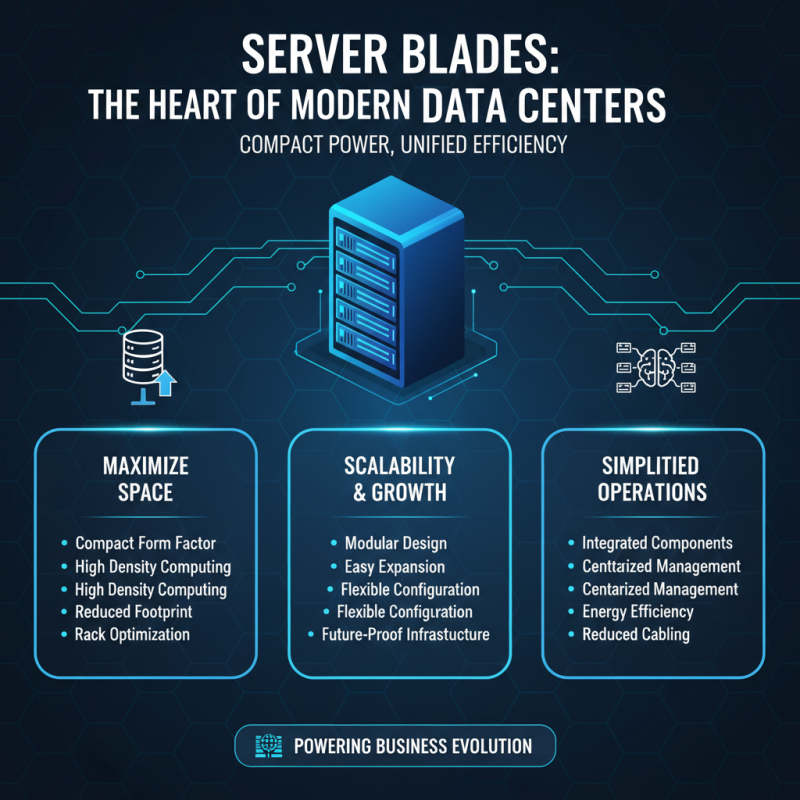
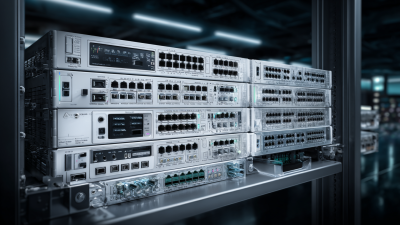
Server blades are critical components in modern data centers. They pack powerful processing capabilities into a compact form. This design allows businesses to maximize their physical space. As companies grow, the need for efficient and scalable server solutions increases. Blade servers offer an integrated approach, reducing complexity and improving energy efficiency.
In 2026, understanding the intricacies of server blades becomes essential. They differ significantly from traditional servers. Each blade shares resources like power and cooling. This shared environment can lower costs but also present risks. A failure in one blade could impact the entire system. Reflecting on these dynamics helps in making informed choices. It's important to weigh benefits against potential downtimes.
When choosing server blades, consider future scalability. Businesses must anticipate growth and evolving needs. Configuring blades with expansion in mind is crucial. While the current setup might meet demands, future-proofing your infrastructure is wise. Ignoring this aspect may lead to costly upgrades later. The decisions made today will shape the business landscape of tomorrow.
Key Factors to Consider When Selecting Server Blades for Your Needs
Choosing the right server blades is crucial for your business. There are key factors to consider to ensure you meet your needs effectively. Performance is one of the top priorities. Evaluate your workload and data processing demands. A blade should handle them efficiently. Look for the right balance between power and energy consumption.
Scalability is another important aspect. Your business may grow rapidly. Ensure that the server blades can accommodate future expansions. It might be tempting to choose a cheaper option, but think long-term. Cost can be misleading. Don’t sacrifice quality for a lower price.
Don’t forget about compatibility. Ensure that new server blades work seamlessly with current systems. This may take more research and testing. Ignoring this can lead to integration headaches. Finally, consider support and maintenance. Are they reliable? Response time is key. You may need assistance when issues arise. Make informed decisions, and remember, it’s okay to reconsider your options.
Comparing Performance Metrics of Different Server Blade Options
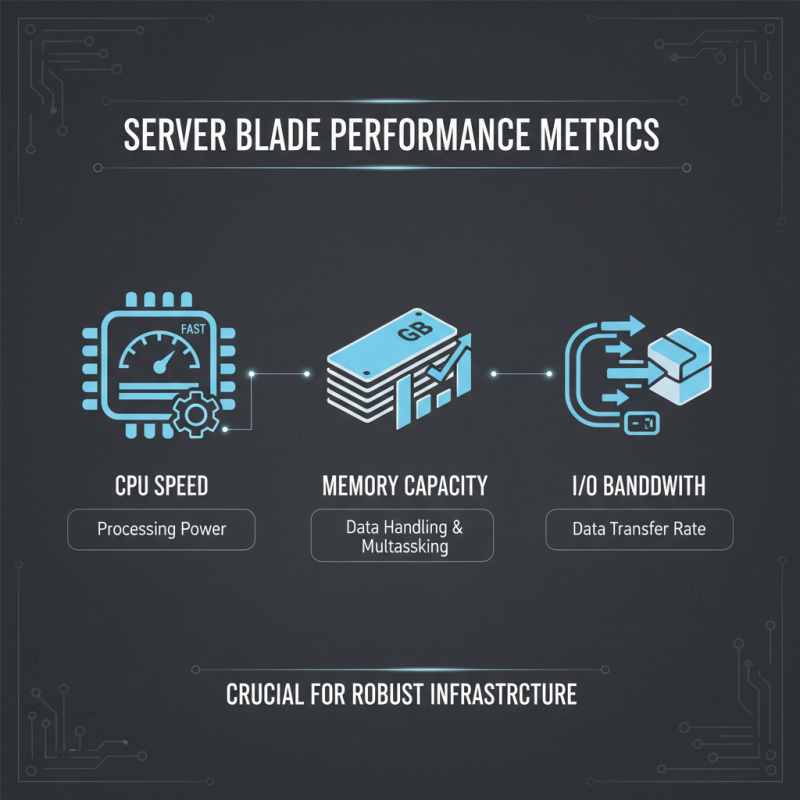
When selecting server blades, understanding performance metrics is vital. Different options offer various capabilities that can impact your business operations. Key metrics include CPU speed, memory capacity, and I/O bandwidth. Evaluating these factors is crucial for creating a robust infrastructure.
Focusing on CPU speed, higher clock rates provide quicker processing. However, balance is key. If your workloads involve heavy data processing, multiple cores may serve you better. Memory capacity also matters. Some applications need more memory to function efficiently. Don’t overlook I/O bandwidth either—it can become a bottleneck.
Testing and monitoring are essential. You might discover that what looks good on paper does not perform well in practice. Performance can fluctuate under load. Reviewing user feedback and real-world applications could provide deeper insights. Don’t hesitate to revisit your choices, as technology evolves quickly, and new metrics might emerge.
Evaluating Scalability and Future-Proofing for Business Growth
In 2026, businesses must prioritize
scalability when selecting server blades.
Scalability allows systems to adapt as needs change. This flexibility is crucial for growth.
Companies should consider their anticipated data traffic and application usage. A blade server’s
ability to support future demands is vital.
Consider how easy it is to add or swap components.
Future-proofing involves more than just current needs. Companies often overlook the
compatibility of new hardware with existing systems.
They might find that what works today does not work tomorrow. This oversight can lead to costly upgrades.
Moreover, evaluating power and cooling needs is essential.
Efficient designs save costs in the long run but are often ignored.
Selecting the right server blades means looking ahead. A blade
that is optimal today may not suit tomorrow's environment. This reality requires thoughtful
planning and honest reflection. Are you prepared for the fluctuations? Balancing immediate
needs and future goals can be challenging, yet it’s necessary for long-term success.
Cost Analysis: Budgeting for Server Blades in 2026
In 2026, businesses face major decisions when budgeting for server blades. The global market for server blades is projected to reach over $5 billion, but costs vary widely. Factors include performance, energy efficiency, and scalability. According to a recent industry report, energy costs alone can account for up to 30% of the total ownership expense. This makes energy-efficient models more attractive, but they also come with a higher upfront cost.
When planning a budget, consider both the initial investment and long-term expenses. A survey indicated that 45% of IT managers regret not factoring in maintenance costs when purchasing blades. Maintenance, software licensing, and support can add up. Failure to account for these hidden costs can strain finances. Thus, a thorough cost analysis is essential. Look for models that offer solid warranty options. This can mitigate risks associated with unexpected failures.
Keep your goals realistic. Buying the latest technology may not always align with your immediate needs. The urge to adopt the newest blade can lead to overspending. Prioritize what fits your business model. Sometimes, older models with proven reliability serve better than cutting-edge options. Balance performance with your budget. This reflection can guide smarter spending choices.
How to Choose the Best Server Blades for Your Business Needs in 2026 - Cost Analysis: Budgeting for Server Blades in 2026
| Server Blade Model |
CPU Cores |
RAM (GB) |
Storage (TB) |
Price (USD) |
Power Consumption (W) |
Warranty (Years) |
| Model A |
16 |
64 |
4 |
3,000 |
350 |
3 |
| Model B |
24 |
128 |
8 |
5,000 |
400 |
5 |
| Model C |
32 |
256 |
16 |
7,000 |
500 |
3 |
| Model D |
16 |
32 |
2 |
2,000 |
300 |
2 |