Top Benefits of Using a Network Hard Drive for Home and Business Storage Solutions
In today's digital age, the need for efficient and secure data storage solutions has never been more critical, whether for home or business use. A Network Hard Drive (NHD) stands out as a versatile option, combining storage capacity with ease of access through network connectivity. As John Smith, an industry expert in network storage solutions, succinctly put it, "A Network Hard Drive not only enhances data management but also transforms how individuals and businesses access their information." His insight reflects the growing reliance on NHDs for seamless collaboration and data accessibility.
The advantages of incorporating a Network Hard Drive into your storage strategy are manifold. By centralizing data storage, users can ensure that sensitive information is protected while also being readily available to authorized individuals. This is particularly beneficial for businesses that require efficient resource sharing among team members, minimizing the challenges posed by traditional storage methods. Additionally, the scalability of Network Hard Drives allows users to expand their storage needs as they grow, making them a future-proof solution for evolving data requirements.
Moreover, Network Hard Drives contribute significantly to streamlined backup processes, ensuring that important data is automatically synced and protected against potential loss. With the ability to access files remotely, users enjoy the flexibility of working from anywhere, thus fostering a more dynamic and productive working environment. Ultimately, the integration of a Network Hard Drive into any storage strategy exemplifies a proactive approach to managing data in a fast-paced, technology-driven world.

Benefits of Network Hard Drives for Centralized Data Access
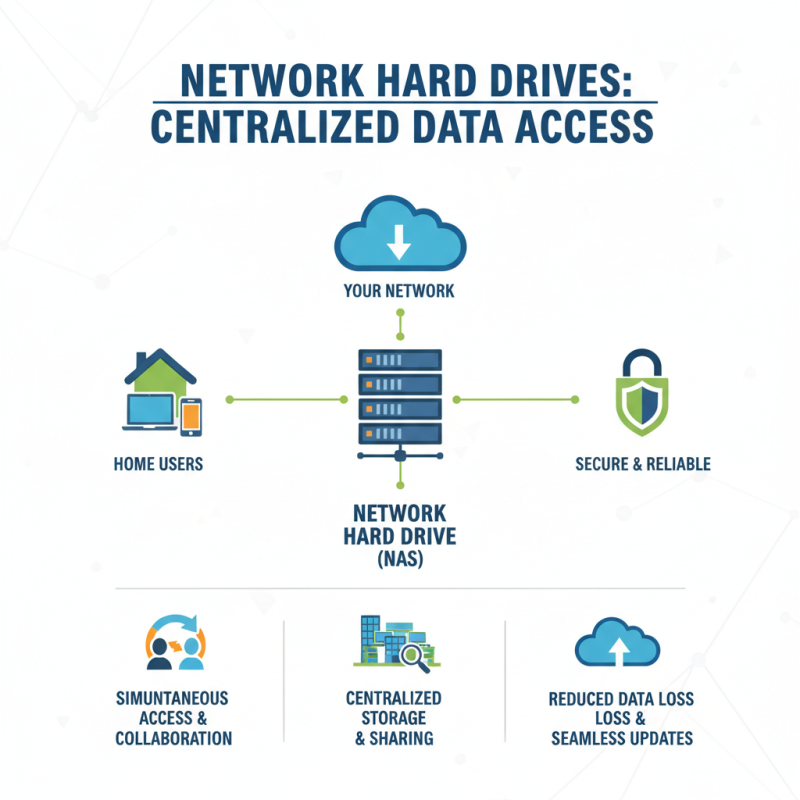
Network hard drives provide a robust solution for centralized data access, catering to both home and business environments. By connecting to a network rather than relying on individual devices, these storage systems allow multiple users to access files simultaneously, thereby enhancing collaboration and efficiency. This centralized approach means that important data can be stored in one secure location, reducing the risk of lost information and ensuring that updates are seamlessly shared among all users.
Moreover, network hard drives enable remote access capabilities, granting users the flexibility to retrieve files from anywhere with an internet connection. This feature is particularly beneficial for remote workers or businesses with multiple locations, as it facilitates real-time collaboration without the need for physical proximity. With the ability to manage access permissions, organizations can ensure that sensitive information is only available to authorized individuals, thereby enhancing security while maintaining accessibility. Overall, the advantages of centralized data access through network hard drives are significant, leading to streamlined workflows and improved productivity across various settings.
Cost-Effectiveness: Reducing Storage Costs with Network Hard Drives
Utilizing a network hard drive for storage solutions offers significant cost savings for both home users and businesses. Unlike traditional local storage methods, network hard drives enable multiple users to access and share a single storage space over a network. This centralization of data not only reduces the need for individual external drives but also streamlines management, ultimately cutting down on costs associated with purchasing and maintaining multiple devices.
Moreover, network hard drives typically come with built-in redundancy features, such as RAID configurations, which protect against data loss while minimizing the need for additional backup solutions. For businesses, this means reduced expenses in data recovery services and fewer resources allocated to physical storage. For home users, it translates to peace of mind, knowing that vital information is safeguarded without requiring extensive investments in supplementary systems. By leveraging network hard drives, users can optimize their storage capabilities and enjoy long-term financial benefits.
Enhanced Data Security Features in Network Storage Solutions
Enhanced data security is one of the primary advantages of utilizing network storage solutions in both home and business environments. These systems often incorporate multiple layers of security measures, such as encryption protocols that protect sensitive data both in transit and at rest. By implementing advanced encryption algorithms, users can ensure that their information remains confidential and secure from unauthorized access, making it difficult for potential intruders to decipher stored data.
Additionally, many network hard drives offer robust user authentication processes, which may include password protection, biometric scans, or multi-factor authentication. These features help ensure that only authorized users can access the data, significantly reducing the risk of breaches. Furthermore, regular software updates and security patches are commonly provided, protecting the systems from newly discovered vulnerabilities. By maintaining a proactive security posture, network storage solutions can offer peace of mind for families and organizations, safeguarding their digital assets against a constantly evolving threat landscape.
Top Benefits of Using a Network Hard Drive for Home and Business Storage Solutions
This chart illustrates the top benefits of using a Network Hard Drive for both home and business storage solutions. Each benefit is rated on a scale from 1 to 10, showcasing enhanced data security as the highest-rated advantage, followed closely by improved accessibility and scalability.
Scalability: Growing Storage Needs for Home and Business Users
The need for scalable storage solutions is increasingly critical for both home and business users in today’s data-driven world. As reported by the International Data Corporation (IDC), the global datasphere is expected to reach 175 zettabytes by 2025, with a substantial amount of this data generated from personal and professional use. This explosive growth highlights the importance of having a flexible storage system that can adapt to changing needs.
Network hard drives, often referred to as NAS (Network Attached Storage), provide a practical solution by allowing users to easily expand their storage capacity without the need for complex installations or replacing existing infrastructure.
For home users, the ability to scale storage can lead to enhanced media management, providing ample space for photos, videos, and music. A report by Statista indicates that 64% of internet users are concerned about data loss due to device malfunctions, which underscores the need for reliable storage solutions that can grow in line with personal collections. Meanwhile, businesses face unique challenges such as regulatory compliance and data security.
Research by Gartner shows that 75% of organizations have increased their storage budgets to accommodate expanding data requirements, making network hard drives an effective tool not only for local backups but also for off-site access and secure data sharing.
Improved Collaboration: Streamlining File Sharing with Network Drives
Network drives have revolutionized the way individuals and teams collaborate by simplifying file sharing and enhancing accessibility. According to a recent report from the International Data Corporation (IDC), businesses that implement network storage solutions see a productivity increase of up to 30%, primarily due to improved collaboration and reduced time in searching for shared files. With a central hub for data, team members can effortlessly access, edit, and share documents in real-time, leading to more efficient workflows and quicker decision-making processes.
To maximize the potential of network drives, consider implementing version control features. This ensures that all team members are working on the most updated files, minimizing the confusion that often arises from multiple versions circulated via email. Furthermore, establishing clear folder structures and access permissions can greatly enhance the user experience, ensuring that all collaborative efforts are both organized and secure.
For home users, connecting a network hard drive can facilitate seamless sharing of personal media like photos and videos with family members, thus enhancing shared experiences. Leveraging built-in features such as mobile access allows families to enjoy their data anytime, anywhere. By keeping usability a priority, home users can make the most of their network storage solutions, ensuring convenience and connectivity in their digital lives.