2026 Top Trends in Networking with Juniper Networks Insights?
In the rapidly evolving world of networking, staying ahead is crucial. Juniper Networks, a leader in this field, continually shapes the way organizations connect and communicate. Their innovations offer insights into the future of networking trends. Over the next few years, networking will undergo substantial transformations.
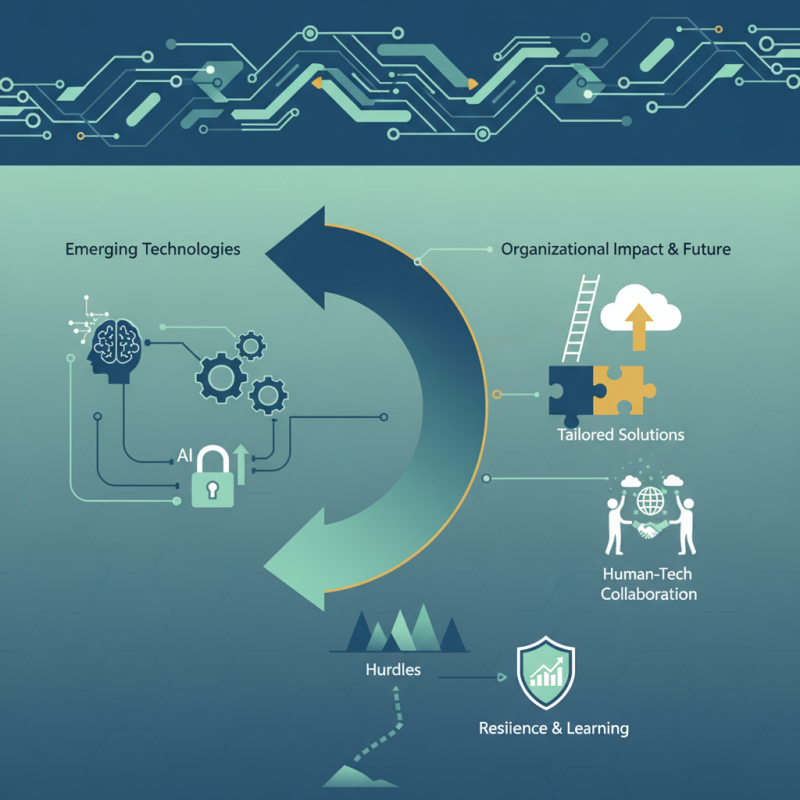
Emerging technologies like AI and machine learning are becoming integral to networking. Juniper Networks is at the forefront of this change. Their focus on security and automation makes them a reliable partner. However, not all organizations adopt these changes smoothly. Some face challenges in integration and scalability. The need for tailored solutions becomes undeniable.
Embracing these trends requires a mindset shift. Companies must rethink their networking strategies. The collaboration between human expertise and advanced technology will define success. By leveraging Juniper Networks’ insights, businesses can navigate these complexities. This journey is not devoid of hurdles. Learning from experiences will prove invaluable in fostering resilience.
Emerging Technologies Driving Networking Trends in 2026
In 2026, networking will be greatly influenced by emerging technologies. One of the most significant trends is the rise of artificial intelligence in network management. AI can predict failures and optimize performance. This shift allows for proactive maintenance, which can reduce downtime significantly, but it also raises questions about reliance on these systems. Are we becoming too dependent?
Another important trend involves the increased use of edge computing. As more devices get connected, processing data closer to the source becomes essential. This can enhance speed and security. Companies must consider how to manage these distributed networks effectively. The challenge lies in ensuring consistency across all nodes while minimizing vulnerabilities.
Lastly, the adoption of 5G technology is reshaping connectivity. It promises higher speeds and lower latency, enabling innovative applications. However, the rollout raises concerns around infrastructure readiness. Many organizations must rethink their current setups to adapt. Balancing innovation with practicality remains a key task for leaders in networking.
Impact of AI and Machine Learning on Networking Solutions by Juniper
The integration of AI and machine learning into networking solutions has transformed the industry landscape. These technologies provide real-time analysis of network performance. This allows for rapid adjustments and improved reliability. The ability to predict and resolve issues before they impact users is a game changer.
Moreover, AI-driven insights enable better decision-making. By analyzing vast amounts of data, AI identifies patterns that human analysts may miss. This enhances security protocols, making networks more resilient against threats. However, reliance on AI can lead to overconfidence. There are risks when facing unforeseen challenges that algorithms may not have anticipated.
As firms embrace these changes, they must also consider the human element. Training staff to interpret AI outputs is essential for maximizing benefits. Continuous learning must remain a priority to adapt to evolving threats and solutions. The balance between AI efficiency and human intuition is crucial for future networking success.
Sustainable Networking Practices: Future Directions and Innovations
In 2026, sustainable networking practices will be crucial. The emphasis on eco-friendly technologies is increasing. Companies seek greener solutions to minimize carbon footprints. Reducing energy consumption in data centers is a priority. Innovative cooling systems and energy-efficient hardware are key areas of focus.
Professionals in networking must adapt to these changes. Understanding sustainable practices is essential for future growth. Skills in energy-efficient design will be in demand. Collaboration across teams can lead to creative solutions. However, reliance on traditional models could hinder progress. Embracing new strategies may be unsettling but necessary.
The path ahead presents both challenges and opportunities. Innovation requires an open mind. Testing new ideas can lead to breakthroughs. Industry leaders must address the gaps in sustainable approaches. As we strive towards a greener future, continuous reflection on our strategies is required. Balancing ambition with practicality is critical to success.
2026 Top Trends in Sustainable Networking Practices
The Role of Automation in Streamlining Network Management Processes
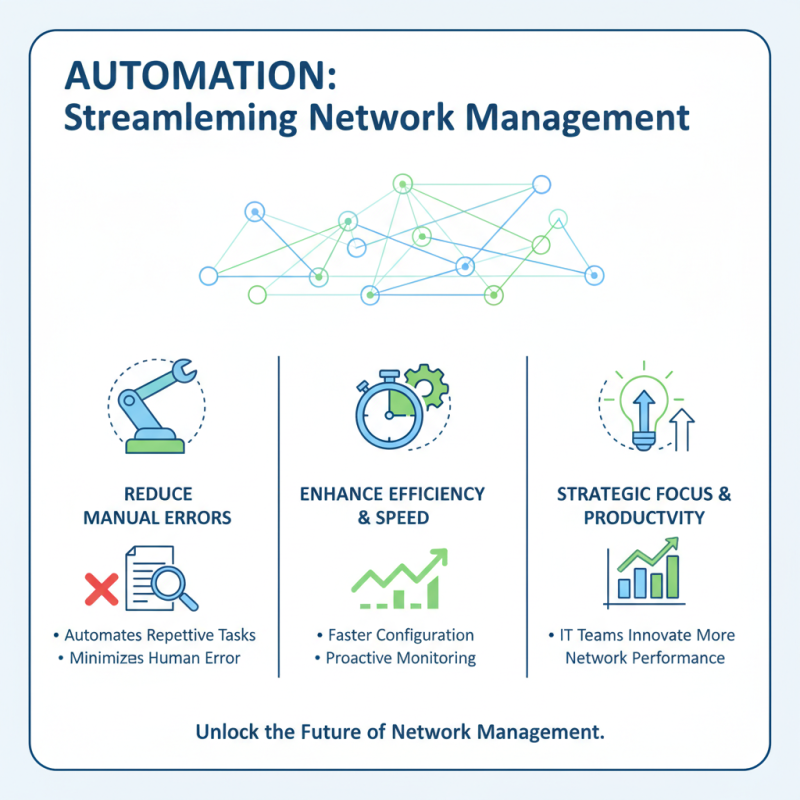
As networks become increasingly complex, automation plays a crucial role in enhancing management processes. Automation can reduce manual tasks, which often lead to errors. By streamlining configuration and monitoring, it allows IT teams to focus on strategic initiatives rather than routine maintenance. This shift can potentially improve productivity and overall network performance.
However, relying on automation also presents challenges. Systems may require regular updates to stay effective. If not managed carefully, automation can lead to blind spots. Teams must maintain a balance between automated processes and human oversight. Regular training ensures that employees remain competent in understanding automated systems.
Embracing automation does not mean eliminating human skills. There's still a need for critical thinking. IT staff must interpret data and make informed decisions. This complex relationship means that while automation enhances efficiency, human involvement remains essential for addressing unique network issues.